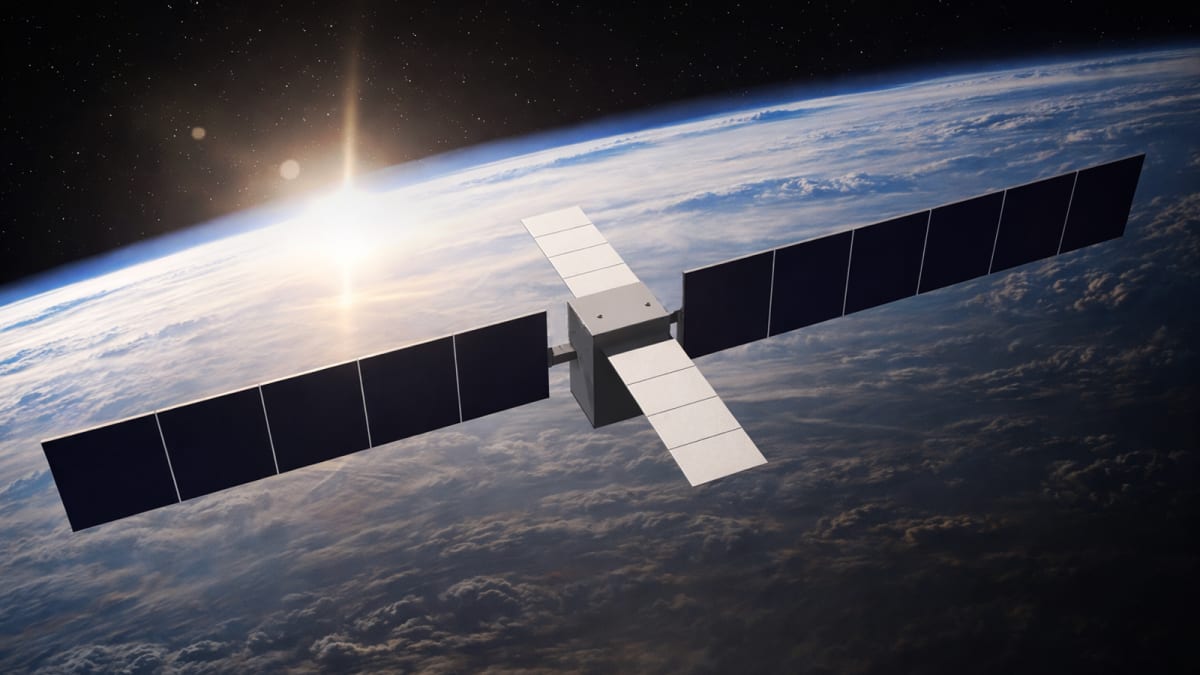
Euwyn Poon built a quarter-million e-scooters at Spin before selling the company to Ford. Now he is launching 10,000 space data centers into orbit.
Poon's new venture, Orbital, emerged from a16z's Speedrun accelerator with a $5 million seed round. Investors include Basis Set, Human Element, Wayfinder, and Feld Ventures.
Poon had no space experience when he entered the accelerator. "He worked through several ideas before landing on space data centers," a16z partner Andrew Chen said. The premise: why build AI data centers on Earth when you can use unlimited solar power in space?
The challenge is cost. Launching material into orbit is expensive. Poon acknowledges that the Falcon 9 makes current economics unworkable. He is betting that SpaceX's Starship will eventually lower launch costs enough to make the business viable. "We will get to full scale when Starship comes online," he said.
Orbital's Los Angeles team includes engineers from Amazon LEO, SpaceX, and Northrop Grumman. They are building a demo. In 2028, they plan to fly an Nvidia Blackwell chip on a partner satellite to test radiation shielding and thermal management. The goal is to deliver a distributed gigawatt of computing power across 10,000 satellites, with each one carrying 100 kw.
Rivals like Starcloud are already putting GPUs in orbit. Poon's timeline is tight.