Ethan Mollick has demonstrated what happens when advanced AI meets creative application — and the tech world has taken notice.
The Wharton associate professor and AI researcher has been testing Anthropic's newly released Claude Fable 5, the first public version of its closely watched Mythos model. His findings have been striking.
Mollick found that Fable outperformed "basically every other public model" by a considerable margin. More importantly, he used the model to generate working video games — multiple fully playable titles — all from a single initial prompt in Claude Code.
Snake is a Pac-Man-style game where you collect apples while the serpent keeps moving. Mollick says he played it longer than intended before returning to work.
Then there's Strata, an endless underground tunnel crawler where the goal is lighting lanterns. The graphics resemble a degraded Myst, but the fact that an entire game emerged from one prompt is significant.
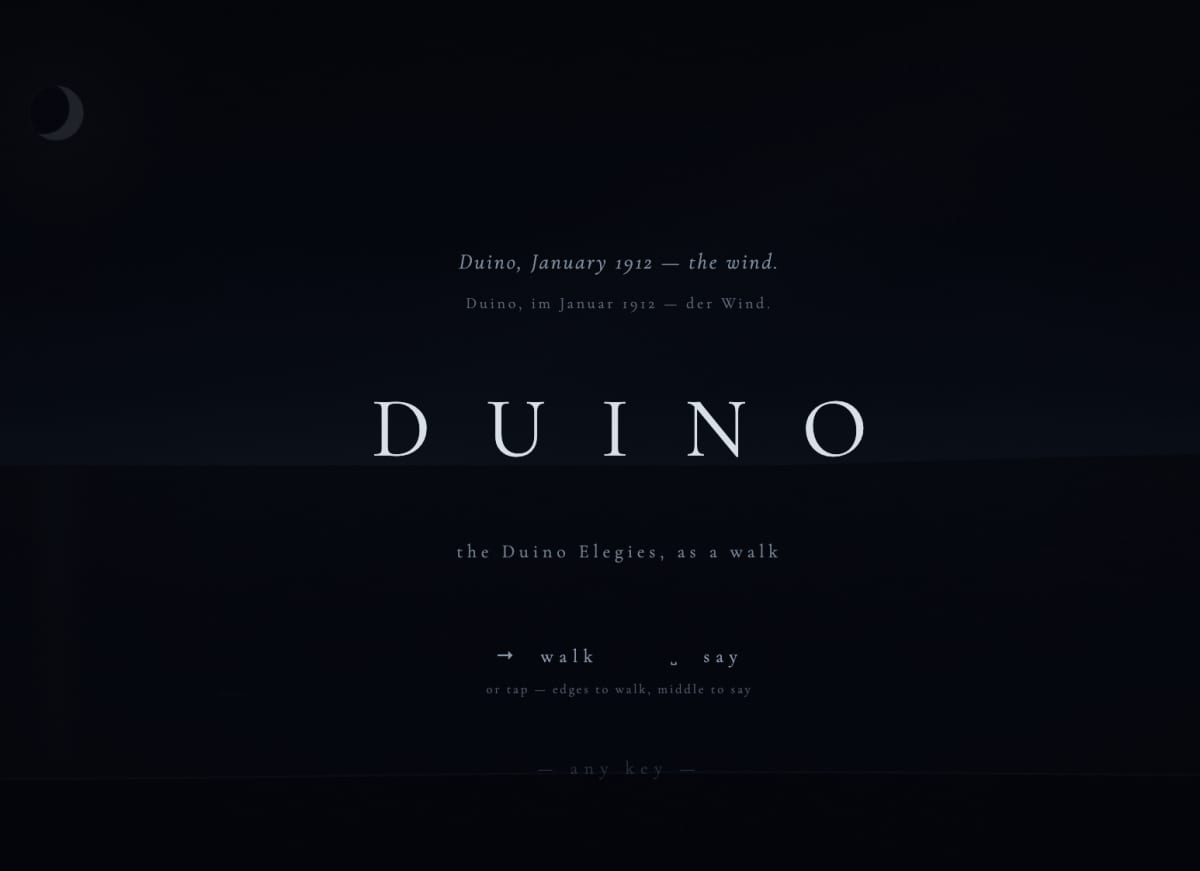
The third example: Duino, a game inspired by Rainer Maria Rilke's Duino Elegies. Players wander a nocturnal landscape while passages from the German poet appear on screen. It is both literary and playable.
But games are not the only output. Mollick also used Fable to create an isochronic map — a visualization showing travel times between locations — with accuracy and detail.
The implications are substantial: software projects that once required entire teams can now be built from a single prompt. For what Mollick calls "vibe coders of the world," this represents a significant shift.
For founders and operators watching AI capability curves, Fable 5 signals one clear message: the baseline is rising fast.