The smartglasses dream is finally waking up. According to TechCrunch, Chi Xu — founder and CEO of Xreal, Google's longtime smartglasses partner — believes the industry has reached a genuine turning point after years of burning through billions with virtually nothing to show for it.
"Everybody's losing money," Xu told reporters at Google's I/O conference in Mountain View last week. But not for much longer, he insists.
For the better part of a decade, smartglasses have been Silicon Valley's most expensive fantasy — all promise, zero payoff. Bulky, uncomfortable, socially awkward, and powered by software nobody actually wanted to use. That's been the story. Until now.
The shift started when Meta partnered with Ray-Ban in 2023, finally producing glasses that people actually bought in meaningful numbers. Reality Labs still bleeds cash, but there's movement. Now, as hardware gets lighter and smarter, Xreal reckons it can seize the moment.
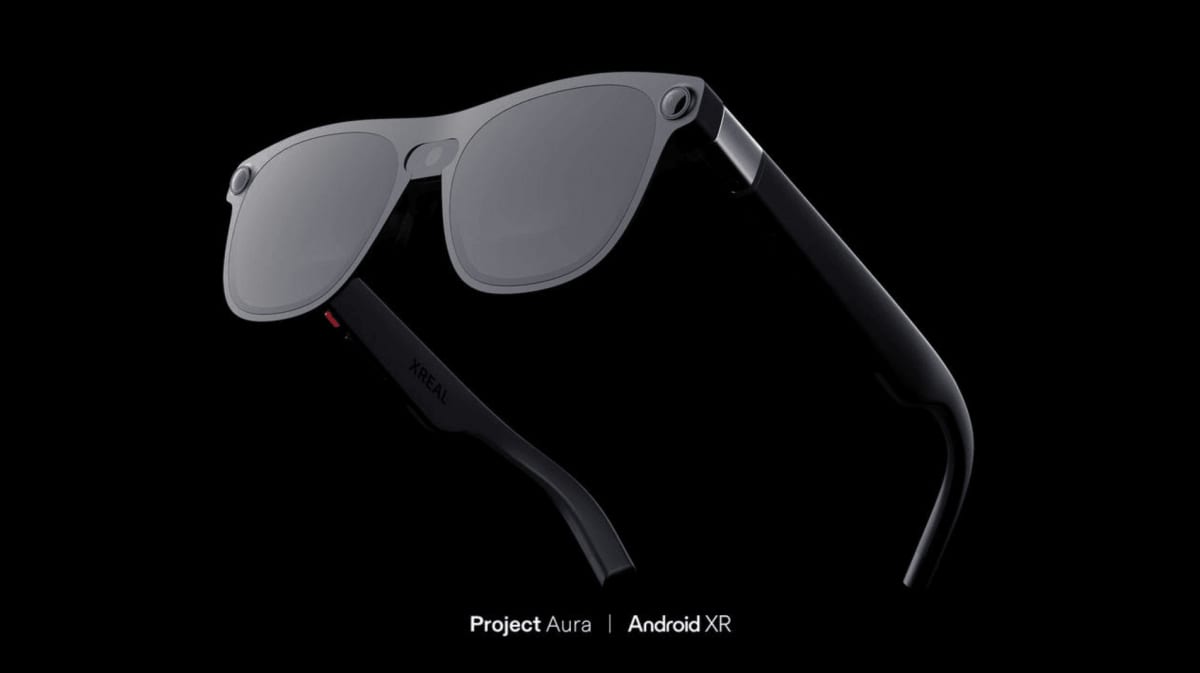
Enter Project Aura — Xreal's new smartglasses. These wired glasses pack OLED displays directly into the frames, letting you watch high-resolution video right in front of your eyes. There's an awkward puck tethered to it (basically a phone-sized mini-computer), but slip it in your pocket and you've got an entire immersive world at your fingertips.
The company is targeting an immersive Google Maps app, VR YouTube videos, hand-tracked painting apps that conjure holographic art only you can see, games, and basic web browsing. Cook with a floating recipe guide. Set up a private workspace anywhere. Watch content that feels like it's physically there.
"You need all the key pieces ready — you need the hardware ready, the operating system needs to be ready, and then you need a great user interface," Xu explained.
For years, smartglasses were the tech industry's punchline. Now insiders are quietly betting Xreal — and the whole sector — might actually be onto something.