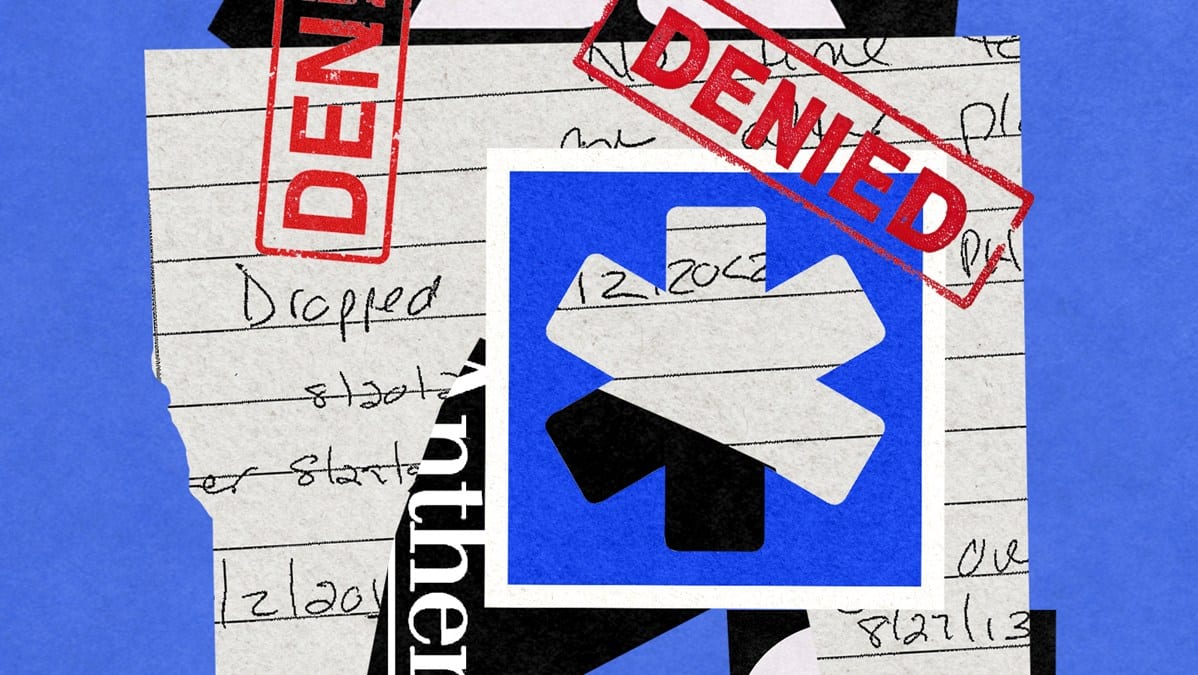
Insurance companies are denying coverage for eating disorder treatment by exploiting gaps in mental health parity laws.
According to a Rolling Stone investigation, insurers use loopholes in mental health parity laws to avoid paying for expensive inpatient eating disorder care. Patients battling life-threatening conditions are left without support.
Katerina Rinaldi developed anorexia nervosa during college. The condition was severe enough to require repeated hospitalizations lasting weeks or months. She attended treatment facilities and worked to comply with medical care.
Blue Cross Blue Shield denied her claims because she had missed a single phone call from a caseworker.
One missed call interrupted her mid-treatment.
Rinaldi's case is not isolated. The Rolling Stone reporting, supported by the Rosalynn Carter Fellowship for Mental Health Journalism, documents a pattern of insurers exploiting mental health parity legislation—the laws that were designed to protect patients like her.
Eating disorders carry the highest mortality rate of any psychiatric illness. Yet insurers continue denying coverage for the intensive, long-term inpatient care these patients need. Most patients lack the energy, resources, or mental clarity to appeal denials.
These are not ambiguous medical cases. These are documented diagnoses in genuine crises, denied by corporations prioritizing profits.
Rinaldi recovered. But many others do not. How many will stop fighting when their insurer says they are not sick enough, not cooperative enough, or not worth treating?
This pattern persists in American healthcare.