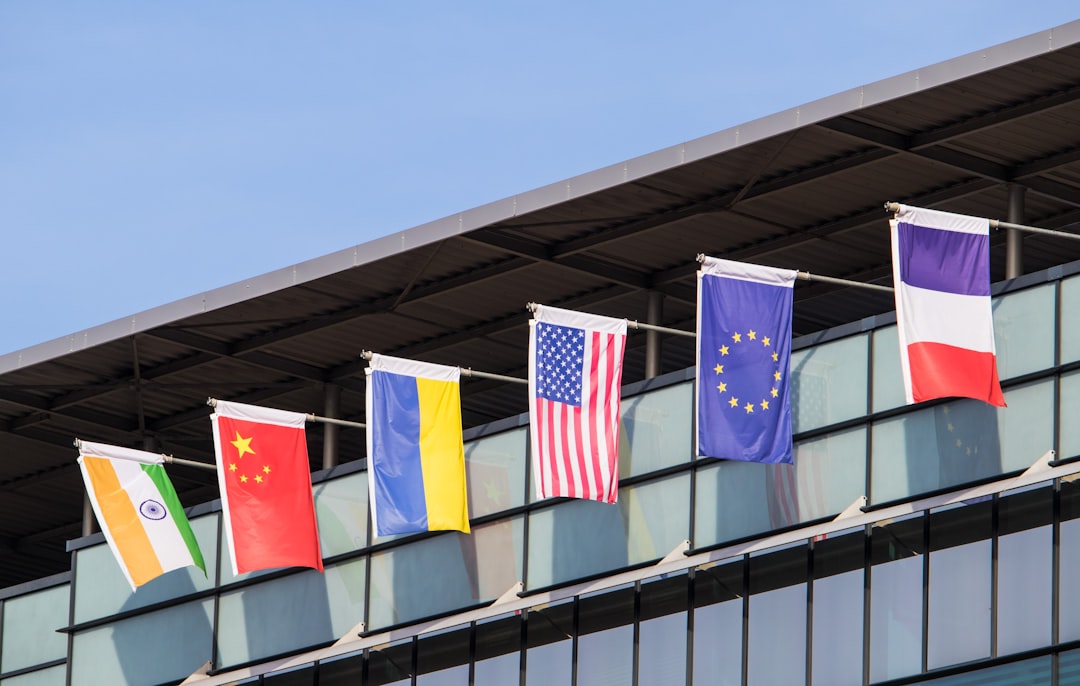
When Ukraine's Deputy Defence Minister Rustem Umerov met National Security Advisor Ajit Doval and External Affairs Minister S. Jaishankar on 17 April, the message from Delhi remained unchanged from February 2022: dialogue and diplomacy must replace war. This consistency, derided by some Western commentators as fence-sitting, reflects India's emergence as a power that refuses to subordinate its interests to others' geopolitical contests.
Ukraine's top official meets Jaishankar, Doval on peace prospects during a moment when India faces acute pressure to abandon its neutrality. The timing is not coincidental. With the Strait of Hormuz effectively blockaded since mid-March, and the American waiver on Russian oil purchases having expired on 11 April, India confronts energy vulnerabilities that make its relationship with Moscow more crucial, not less.
Energy Security Drives Strategic Calculus
The convergence of crises explains why India's Ukraine position serves national rather than ideological purposes. U.S. Hormuz blockade hits India just as Russian oil purchase waiver expires, creating what analysts describe as a perfect storm for Indian energy planners. Russian crude, which became a lifeline after Western sanctions drove prices down, now represents strategic necessity rather than opportunistic purchasing.
The Hormuz closure affects approximately sixty percent of India's oil imports under normal circumstances. With that route compromised indefinitely, alternative suppliers and transport corridors become premium assets. Russia offers both—oil that can reach India through multiple pathways, and a supplier relationship that has weathered previous geopolitical storms. This is arithmetic, not sentiment.
India's position becomes clearer when viewed through the lens of energy transition timelines. The country aims to reach net-zero emissions by 2070, but that goal requires stable hydrocarbon supplies during a decades-long transition period. Compromising energy security serves neither climate goals nor economic development—the twin pillars of India's long-term strategy.
Defence Partnerships Transcend Ukraine Politics
The defence dimension adds another layer to India's calculus. India-Russia sign RELOS defence pact establishing frameworks for joint exercises involving substantial military assets—a partnership that predates the Ukraine conflict and serves interests unrelated to European security arrangements.
The RELOS agreement, covering deployment of thousands of troops and multiple warships and aircraft, reflects India's requirement for diversified defence relationships as it modernizes its military capabilities. With China's assertiveness in the Indo-Pacific and Pakistan's continued hostility, India cannot afford to limit its strategic partnerships based on others' conflicts. The principle applies equally to American, French, Israeli, and Russian defence cooperation—each serves specific Indian requirements that transcend temporary diplomatic considerations.
This diversification strategy has deep roots in Indian strategic culture. Non-alignment during the Cold War was not passive neutrality but active pursuit of maximum strategic autonomy. Today's multi-alignment follows the same logic: India engages all major powers while committing exclusively to none, preserving freedom of action across multiple domains.
Rising Powers Set Their Own Terms
Western pressure on India to abandon its Russia relationship reflects a fundamental misunderstanding of how rising powers behave. Great powers do not accept junior partnership in others' strategic frameworks; they insist on equal voice in shaping those frameworks. India's GDP has grown consistently, its global trade relationships have expanded, and its role as a trusted partner spans both developed and developing countries—achievements that create bargaining power, not obligations.
The Ukraine war, from India's perspective, represents a European security crisis that became global through alliance entanglements and economic interdependence. But the crisis itself—territorial disputes, ethnic tensions, great power competition over spheres of influence—contains no unique moral or strategic imperatives that override India's core interests. Every major power has supported allies engaged in questionable military actions; expecting India to sacrifice tangible interests for symbolic solidarity ignores both precedent and realpolitik.
India's diplomatic consistency also serves broader strategic purposes. As the world's most populous democracy and fastest-growing major economy, India attracts partnership requests from multiple camps. Maintaining principled neutrality demonstrates that India can be trusted to honor commitments based on mutual interest rather than ideological alignment—a valuable reputation for a country seeking expanded roles in global governance.
The test of India's position will come not through external validation but through practical outcomes. If Indian energy security remains stable, defence modernization continues, and economic growth sustains itself despite global disruptions, then the neutrality strategy succeeds on its own terms. Critics demanding moral clarity offer no compensating benefits for the costs they propose India should bear.
India's Ukraine position reflects the strategic mindset of a confident power that calculates interests across multiple horizons rather than reacting to immediate pressures. That approach served India well during previous global crises and positions it to navigate future challenges with maximum flexibility—the essential requirement for any nation serious about shaping rather than merely adapting to the international order.