
Culture & Society
Arts, education, demographics, and the diaspora.
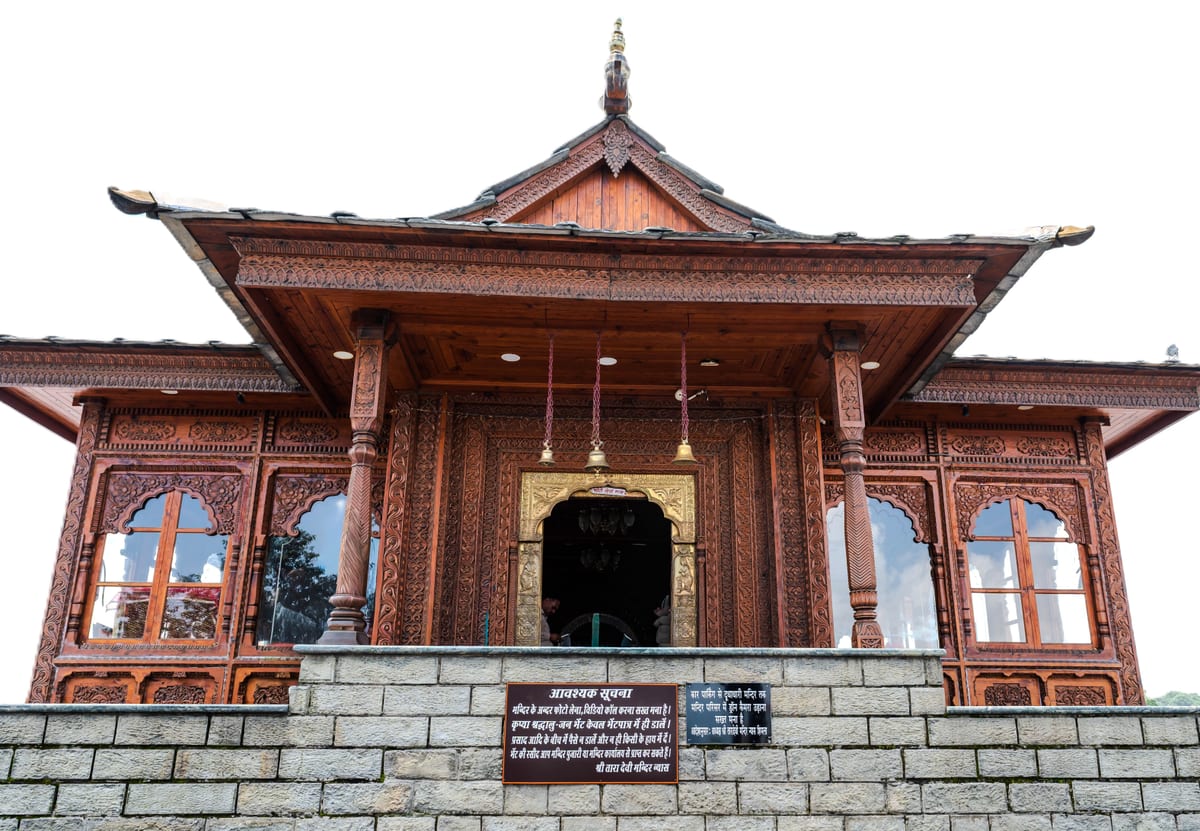
Where the Forest Goddess Still Holds Court in Manali
Hidimba Temple stands as living proof that India's mythological past breathes in its present.

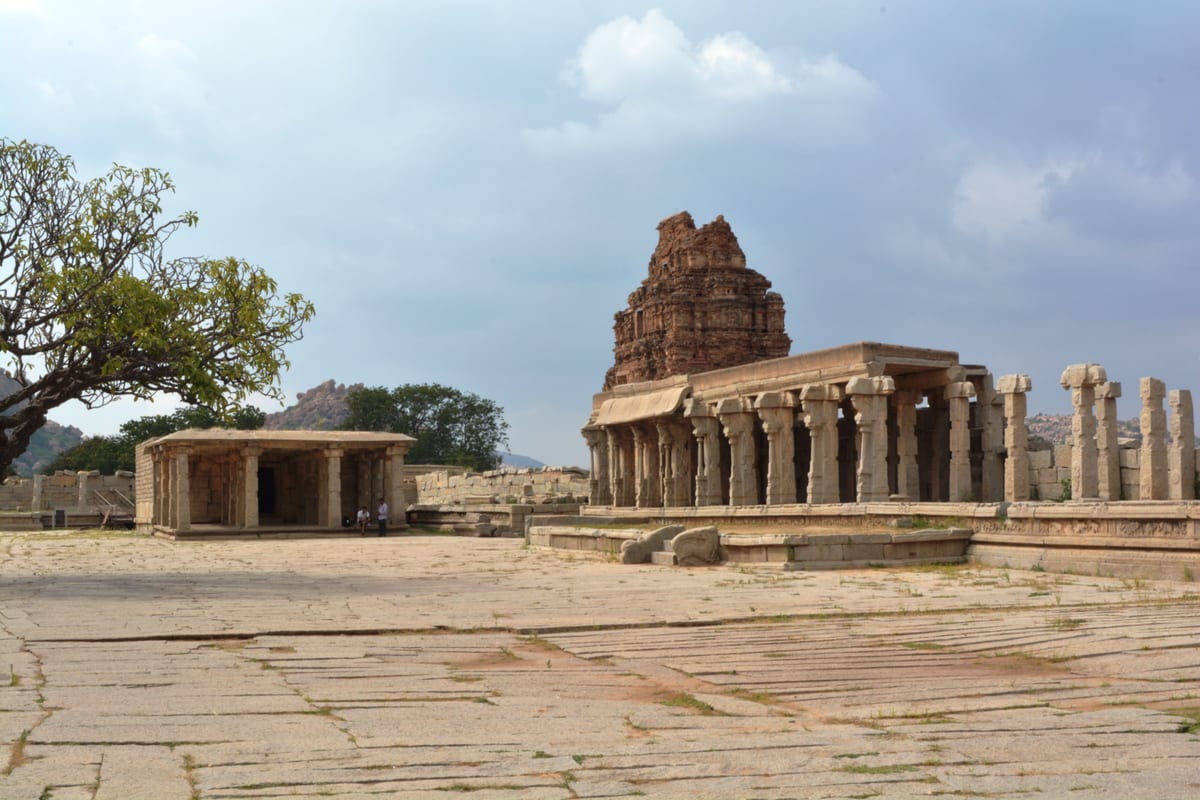
Hampi: Where Myth, Empire, and Stone Speak Together
Hampi, the UNESCO World Heritage Site nestled along the Tungabhadra River in Karnataka, was once the resplendent capital of the Vijayanagara Empire — a city where mythology and history share the same boulder-strewn earth. Today, its temples, chariot sculptures, elephant stables, and sacred ghats draw travellers into a living encounter with India's past, not as spectators at a ruin, but as participants in a story still being told. From the mythic terrain of the Ramayana to the architectural ambition of medieval empire-builders, Hampi is a destination that reframes what heritage truly means.

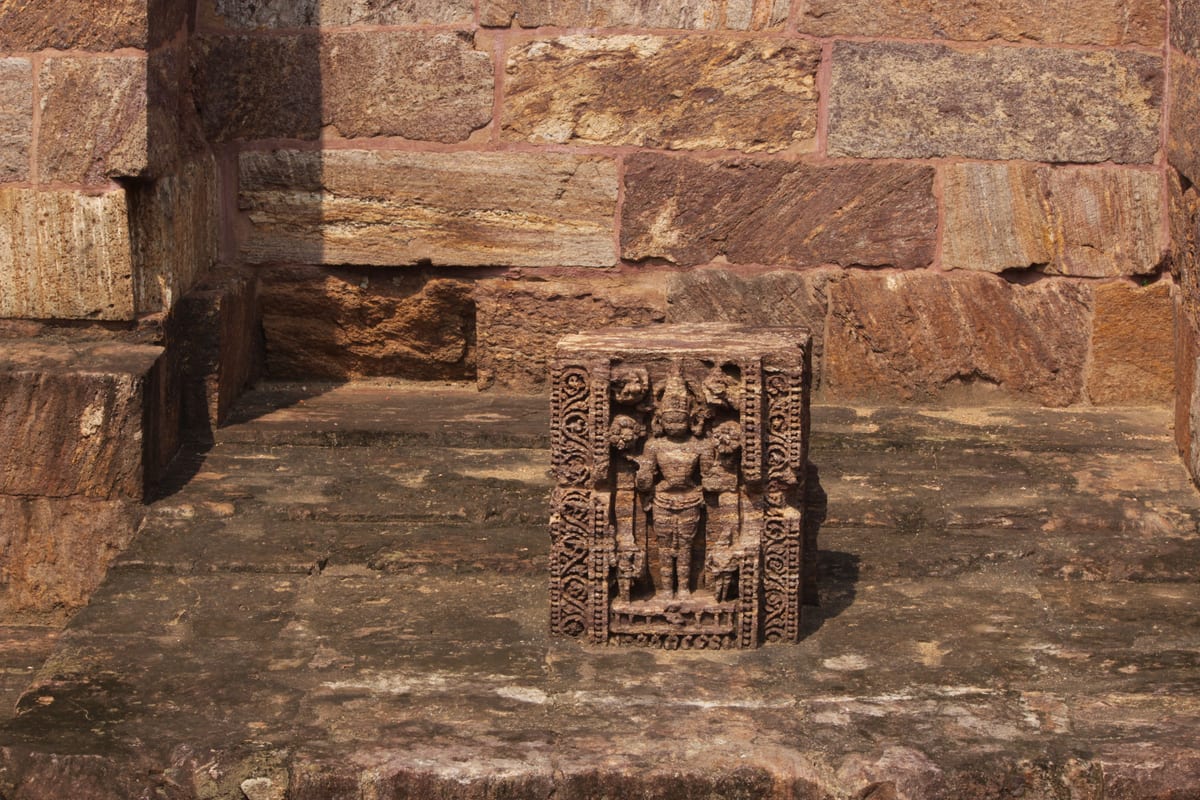
Konark Sun Temple: Where Stone Becomes an Act of Devotion
The Konark Sun Temple in Odisha, built by King Narasimhadeva I in the thirteenth century, is a UNESCO World Heritage Site conceived as a colossal stone chariot of the sun god Surya. Its intricately carved wheels, walls alive with sculptural narratives, and its commanding presence on the Bay of Bengal coastline make it one of the most extraordinary architectural achievements in human history. Far from being a relic locked in the past, Konark continues to pulse with cultural energy — drawing pilgrims, scholars, artists, and travellers who find in its stones both a spiritual encounter and a reminder of India's astonishing creative inheritance.

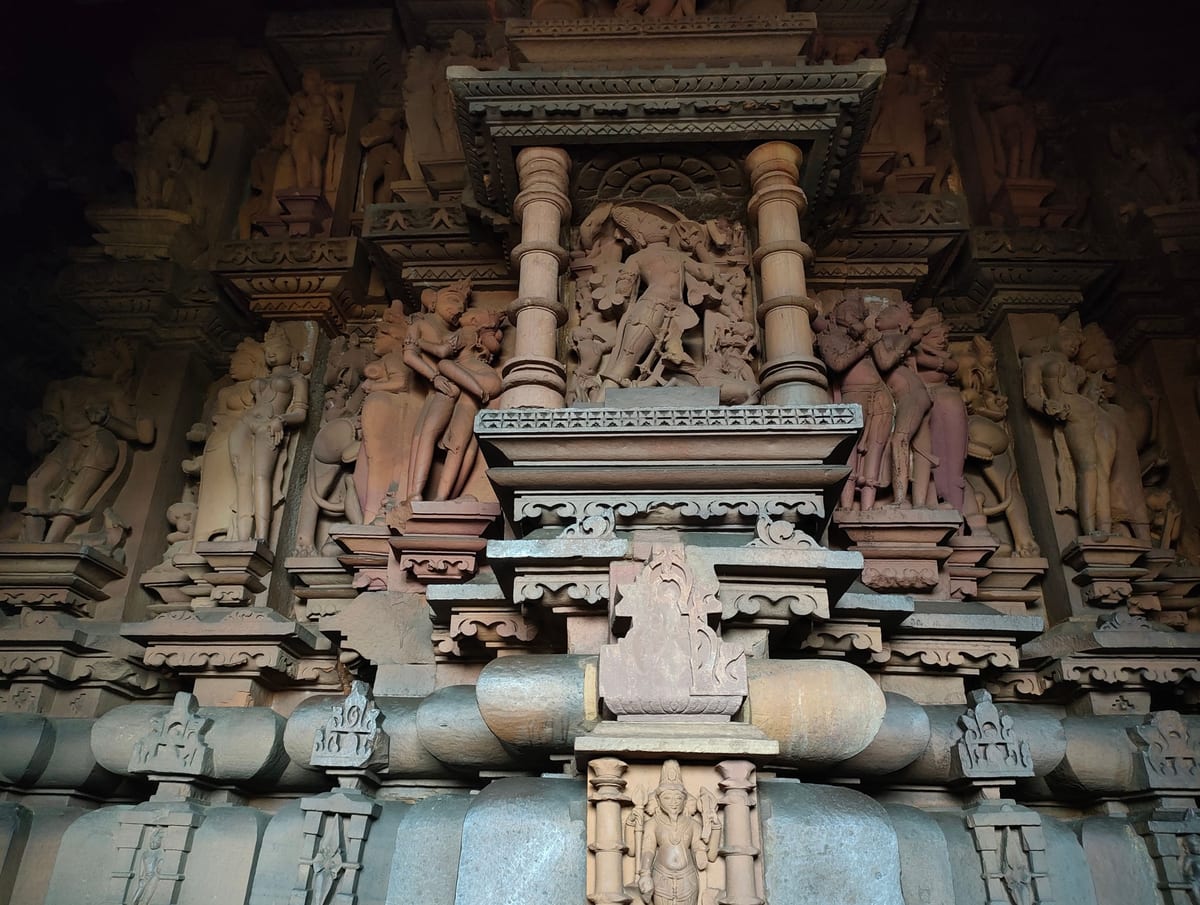
Khajuraho: Where Stone Breathes and Eternity Speaks to Us
Khajuraho, nestled in Madhya Pradesh's Chhatarpur district, is home to one of India's most extraordinary UNESCO World Heritage Sites — a cluster of medieval temples built by the Chandela Rajputs between the 9th and 12th centuries AD. Far from being a relic frozen in time, these temples pulse with a living civilisational energy, celebrating the full spectrum of human existence through sculpture of breathtaking sophistication. For the thoughtful traveller, Khajuraho is not merely a sightseeing stop — it is a conversation with the deepest currents of Indian thought and artistic vision.

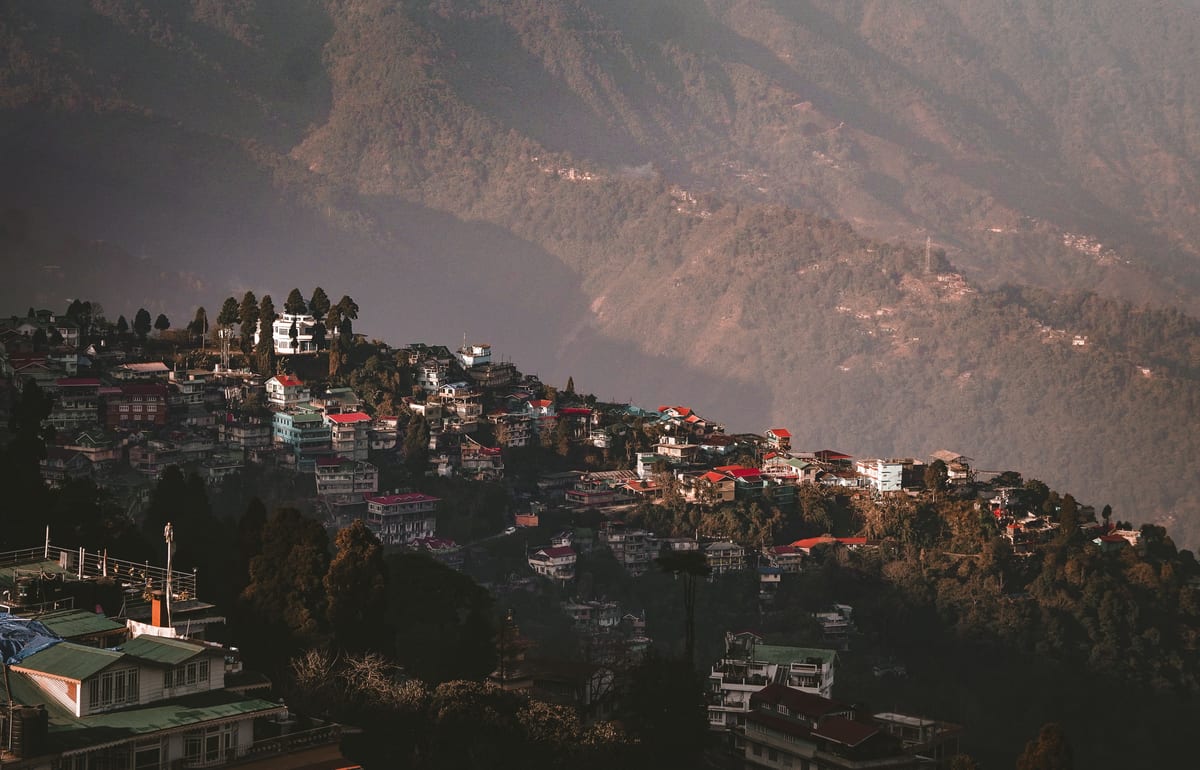
Darjeeling: Where the Himalayas Pour You a Perfect Cup
Darjeeling, the 'Queen of the Hills' in West Bengal, is a destination where colonial history, Tibetan culture, and the world's finest tea converge against a backdrop of Himalayan grandeur. From the UNESCO-listed Darjeeling Himalayan Railway to the sacred slopes of Kanchenjunga, every corner of this hill town carries the weight of civilisational memory. This article explores why Darjeeling is not merely a scenic retreat but a living chapter in India's long and layered heritage story.
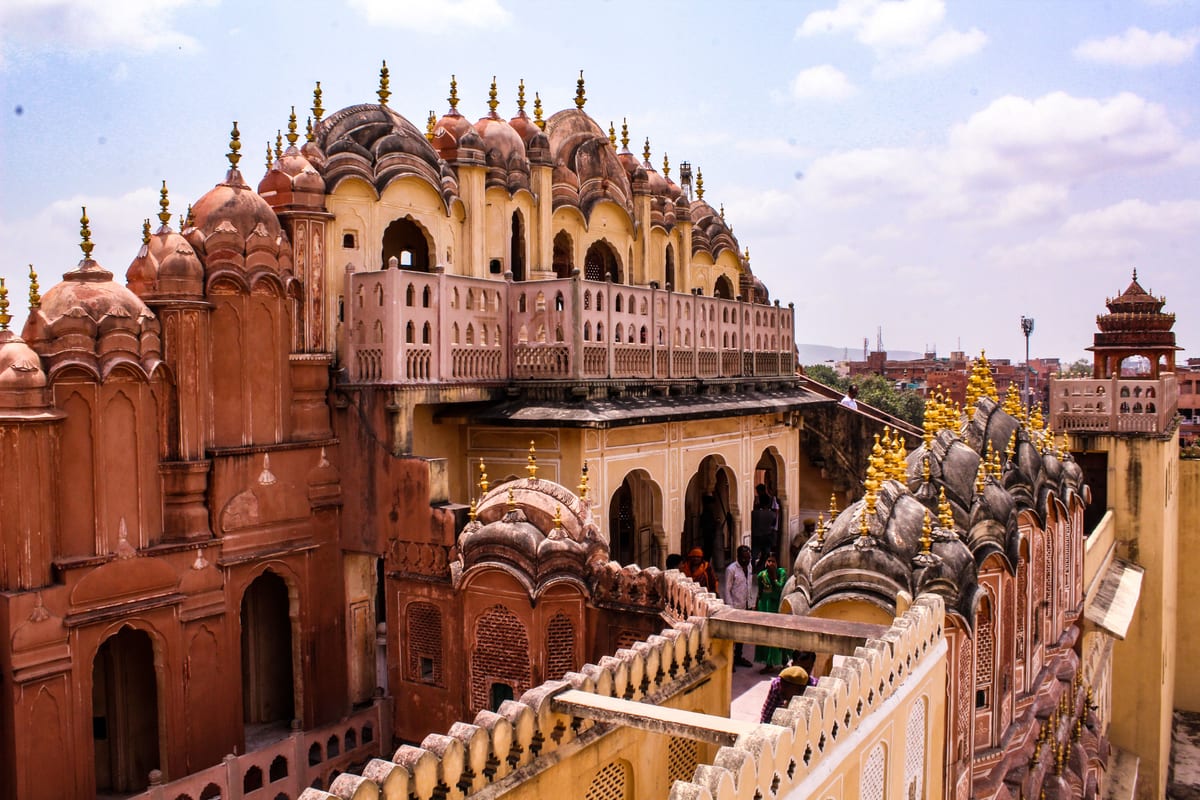
Hawa Mahal: Where Rajputana Grandeur Meets the Wind's Embrace
Hawa Mahal, the iconic 'Palace of Winds' in Jaipur, Rajasthan, is one of India's most recognisable architectural masterpieces. Built in 1799 by Maharaja Sawai Pratap Singh, its 953 latticed windows were designed to let royal women observe street life while remaining veiled from public view — a structure where social custom, aesthetic genius, and engineering ingenuity converged. Today it endures not as a relic but as a living emblem of India's unbroken civilisational imagination.
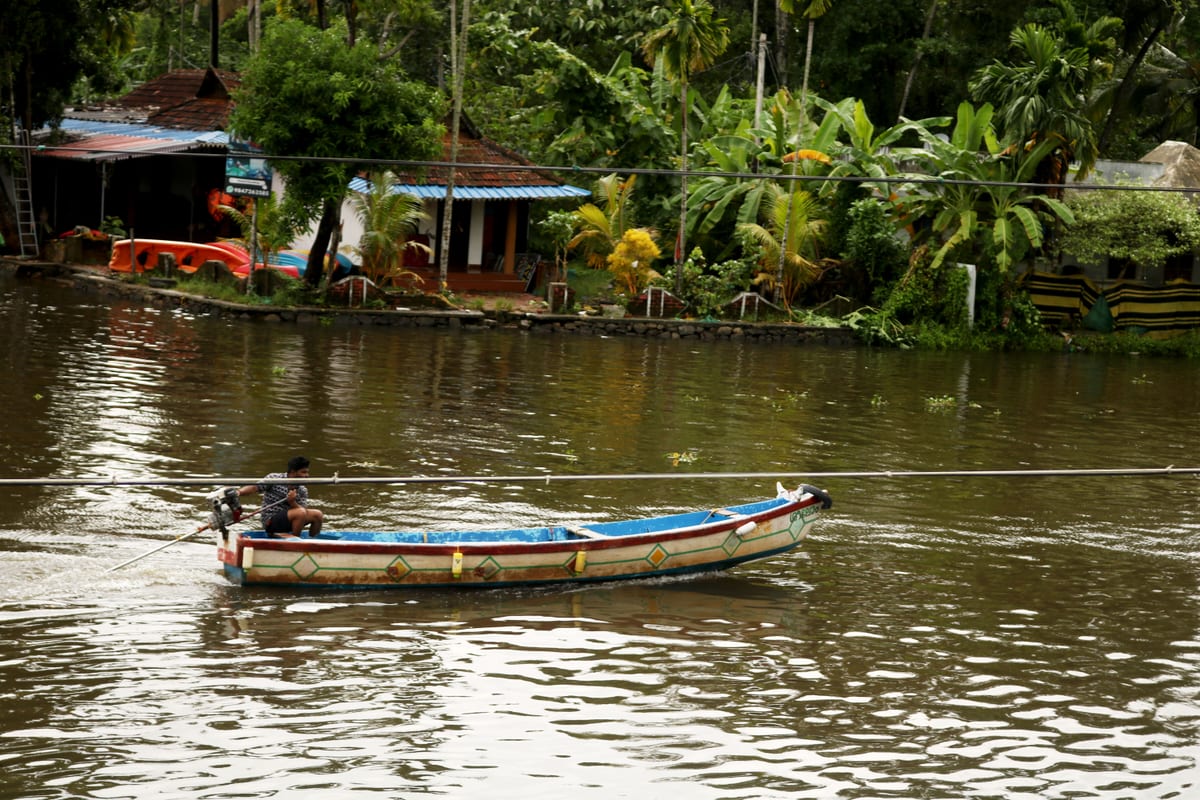
Alleppey: Where Kerala's Soul Drifts on Eternal Waters
Alleppey, known as the Venice of the East, is a living tapestry of Kerala's maritime heritage, coir traditions, and spiritual rhythms woven across thousands of kilometres of backwater canals. From the thundering spectacle of the Nehru Trophy Boat Race to the meditative hush of a rice-boat houseboat gliding at dusk, this destination offers travellers not a postcard but a civilisational encounter. It is a place where ancient trade routes, temple festivals, and Ayurvedic wisdom converge in a landscape that has remained, at its core, unchanged for centuries.
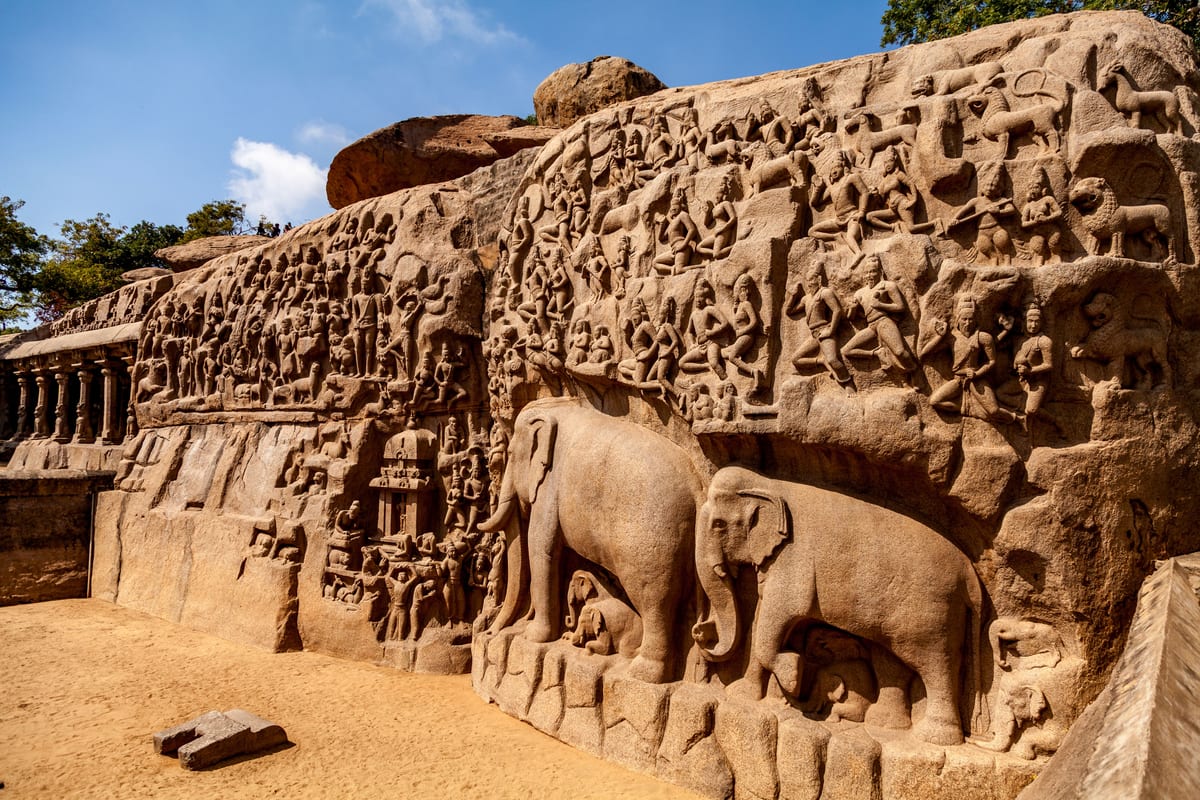
Mahabalipuram: Where Stone Remembers the Sea and Sky
Mahabalipuram, a UNESCO World Heritage Site on Tamil Nadu's Coromandel Coast, is one of India's most extraordinary open-air galleries of early medieval art and architecture. Shaped by the Pallava dynasty between the 7th and 9th centuries CE, its shore temples, monolithic rathas, and rock-cut sculptures are not ruins — they are a civilisation mid-conversation with the present. This article explores what makes Mahabalipuram not just a place to visit, but a place to understand.

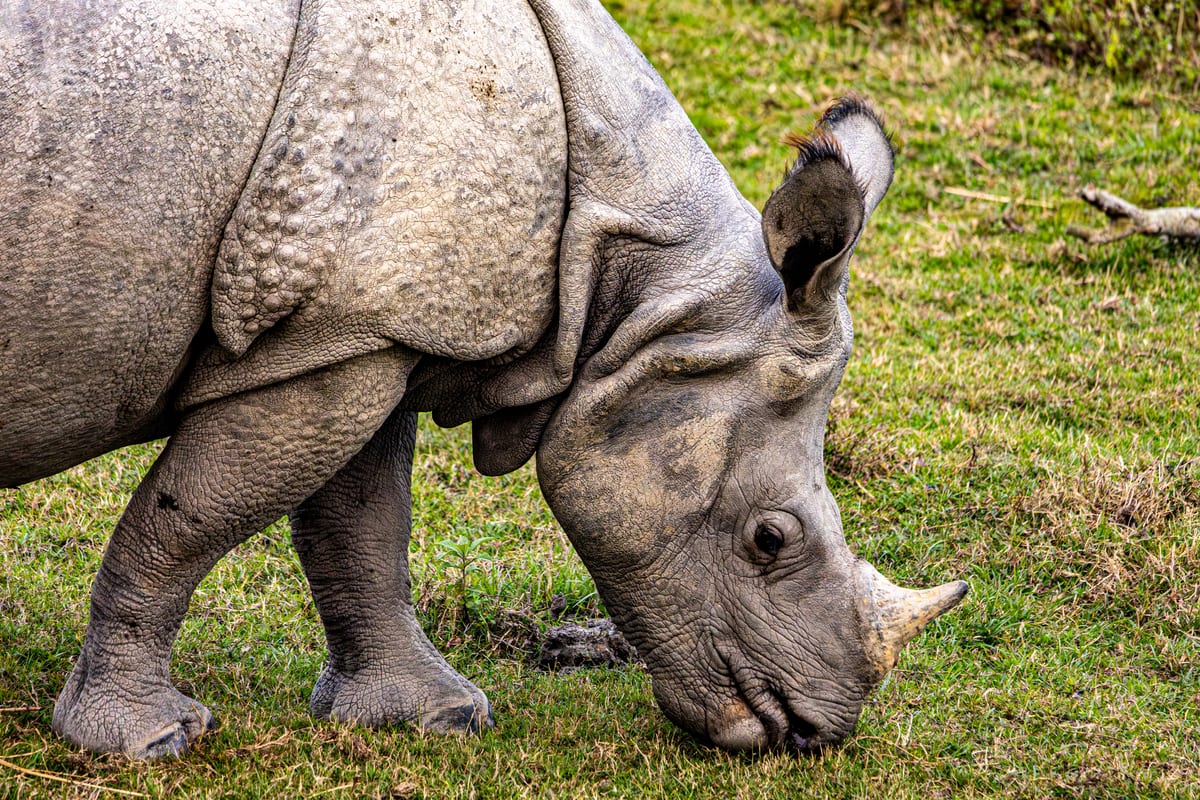
Kaziranga: Where Ancient India Still Breathes in the Wild
Kaziranga National Park in Assam is one of India's most extraordinary natural sanctuaries, home to the world's largest population of the one-horned rhinoceros and a UNESCO World Heritage Site since 1985. Far more than a wildlife reserve, Kaziranga is a living testament to India's ancient ethic of coexistence with the natural world — a relationship woven into the subcontinent's cultural and spiritual fabric for thousands of years. This article explores Kaziranga's history, its cultural resonance, what visitors experience on the ground, and why every Indian should make the journey at least once.
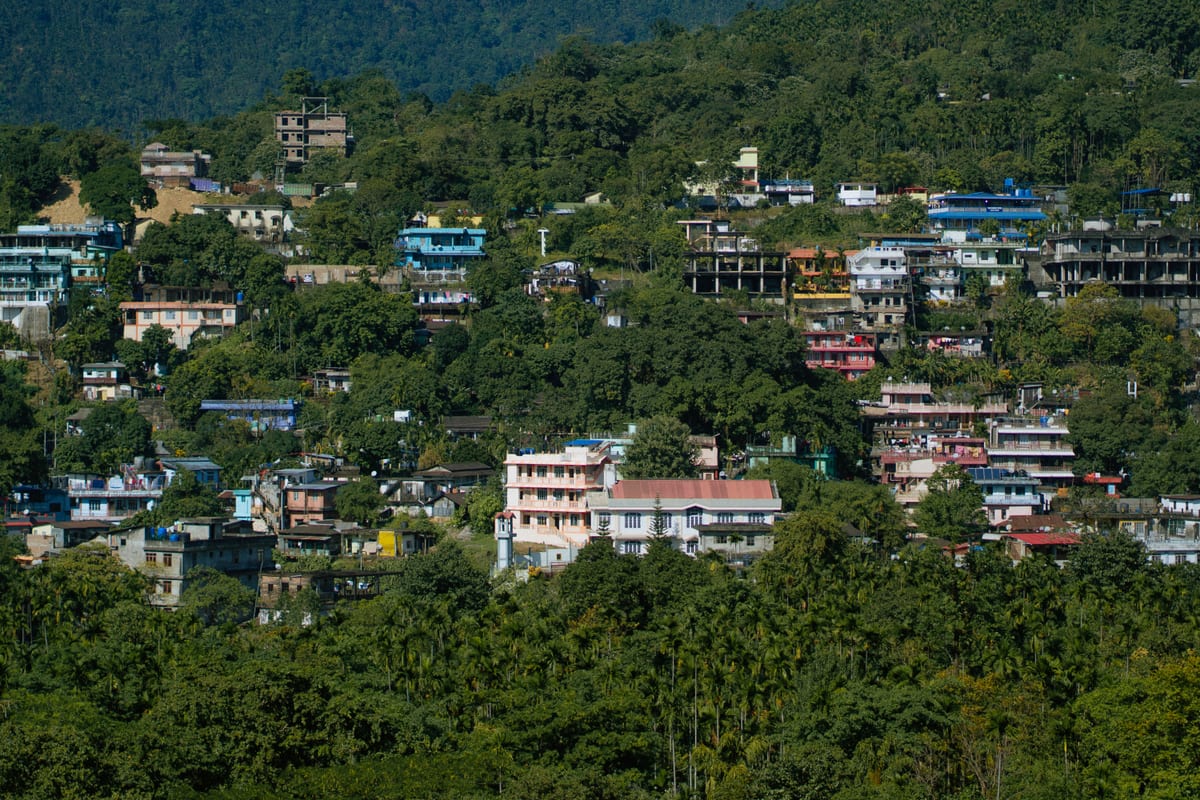
Shillong: Where Scotland Meets the Soul of India
Shillong, the capital of Meghalaya, enchants visitors with its Scottish Highland resemblance, colonial architecture, cascading waterfalls, and the vibrant traditions of its indigenous Khasi people. From the panoramic sweep of Shillong Peak to the serene waters of Umiam Lake, the city offers a rare fusion of natural grandeur and deep cultural roots. It stands as a reminder that India's civilisational story is not confined to the plains and temples of the heartland — it breathes just as powerfully in the northeast.
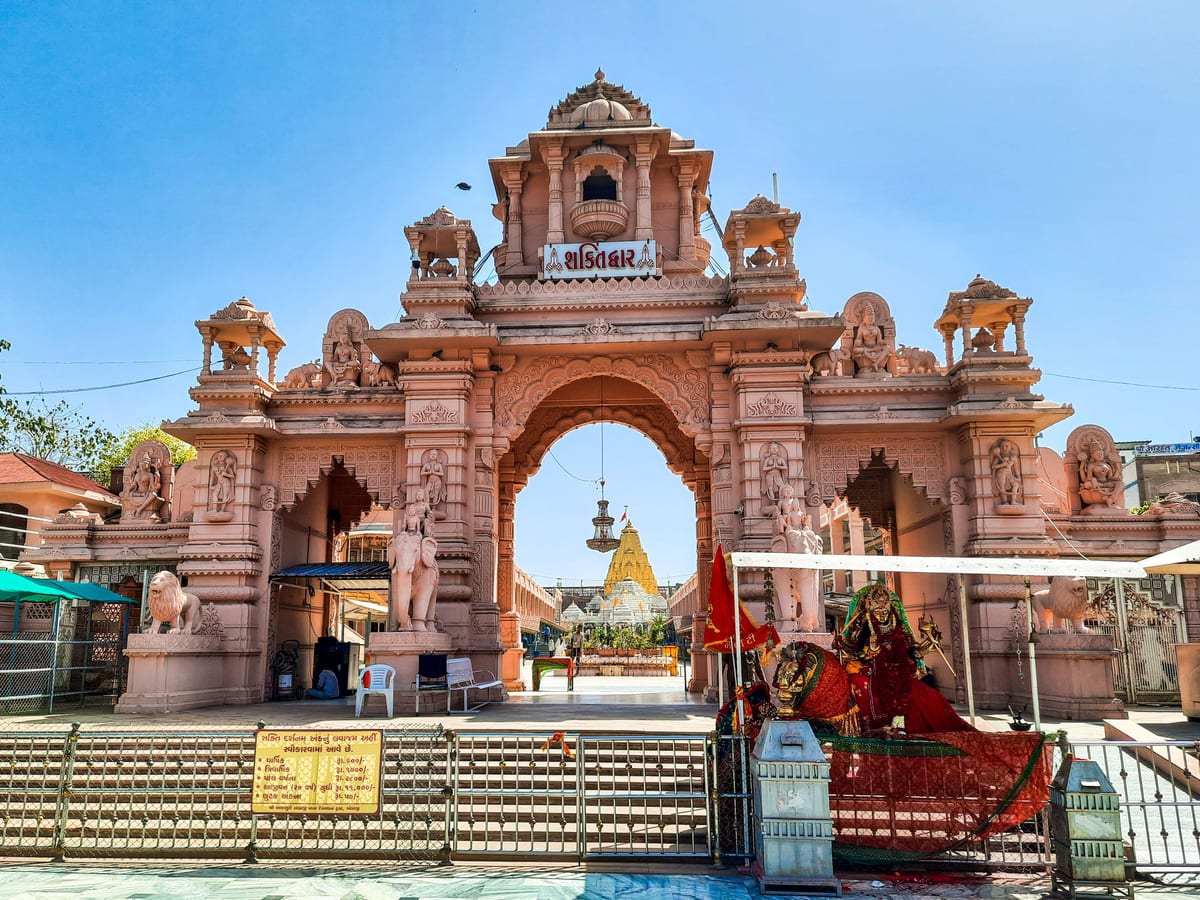
Somnath Temple: Where Stone, Sea, and Civilisation Speak Together
Somnath Temple, rising at the edge of the Arabian Sea on Gujarat's Saurashtra coast, is one of the twelve sacred Jyotirlingas of Lord Shiva and among the most spiritually charged sites in the Indian subcontinent. Its history of repeated destruction and reconstruction over centuries is not merely a religious chronicle — it is a testament to civilisational memory and the refusal of a culture to be erased. Today's pilgrim and traveller arrives not at a ruin or a replica, but at a living, breathing temple that still draws the faithful at every dawn.

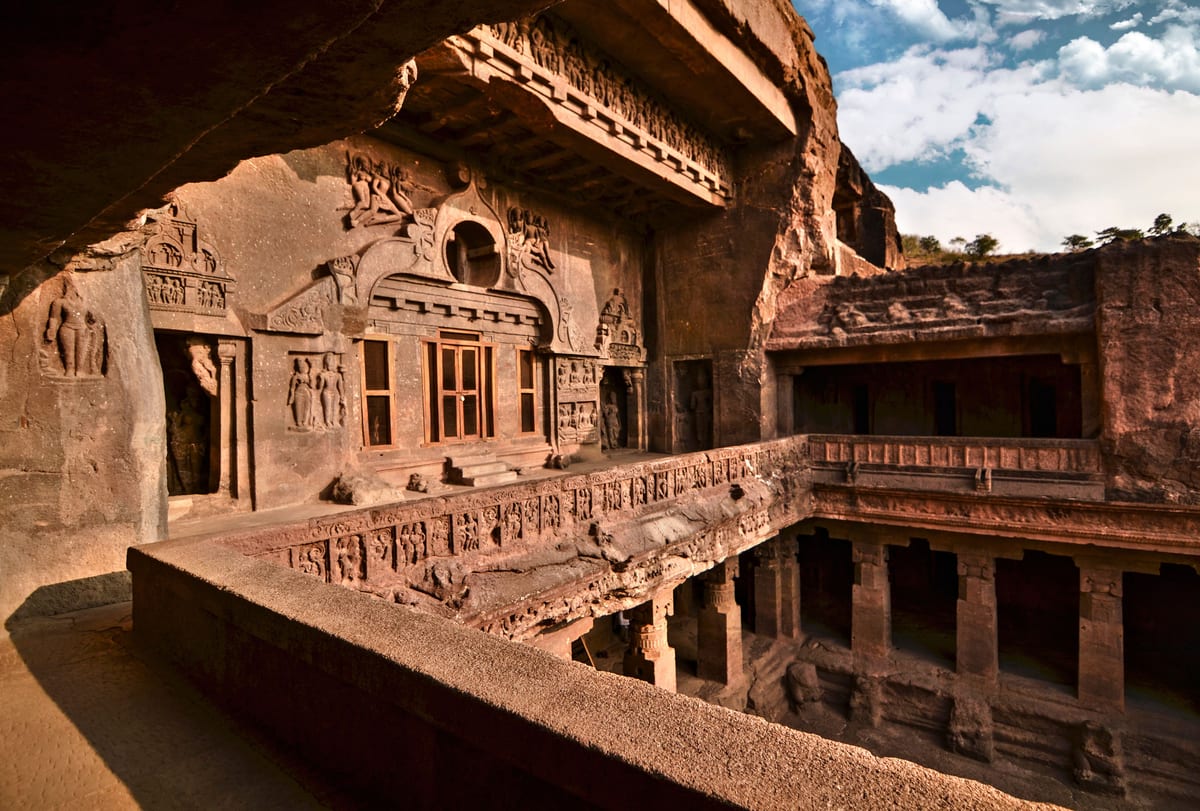
Ajanta Caves: Where Ancient India Painted Its Living Soul
The Ajanta Caves of Maharashtra are a UNESCO World Heritage Site comprising 30 rock-cut Buddhist monuments dating from the 2nd century BCE to the 5th century CE. Their murals and sculptures represent the pinnacle of ancient Indian artistic achievement, depicting the life of the Buddha and the spiritual imagination of an entire civilisation. To visit Ajanta is not to step into the past — it is to recognise how deeply that past continues to breathe inside India's present.
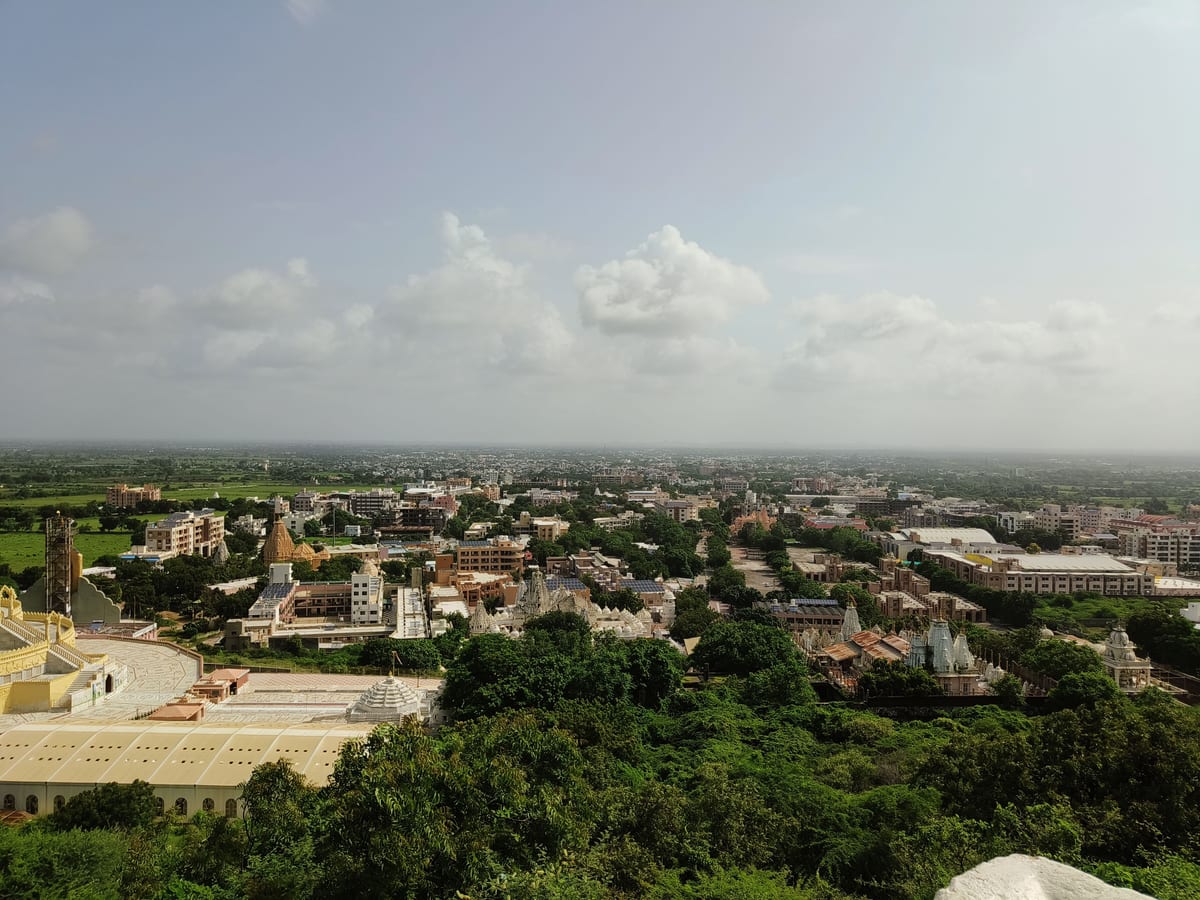
Somnath Temple: Where the Arabian Sea Meets Eternal Devotion
Somnath Temple, standing at the edge of the Arabian Sea in Gujarat's Saurashtra region, is one of the twelve Jyotirlingas and among the most sacred pilgrimage sites in Hinduism. Destroyed and rebuilt multiple times across centuries, its present avatar — consecrated in 1951 by Sardar Vallabhbhai Patel — is as much a monument to spiritual resilience as it is to architectural grandeur. For every visitor who walks its stone corridors and hears the sea roar behind the sanctum, Somnath is not a relic of the past but a living, breathing civilisational statement.

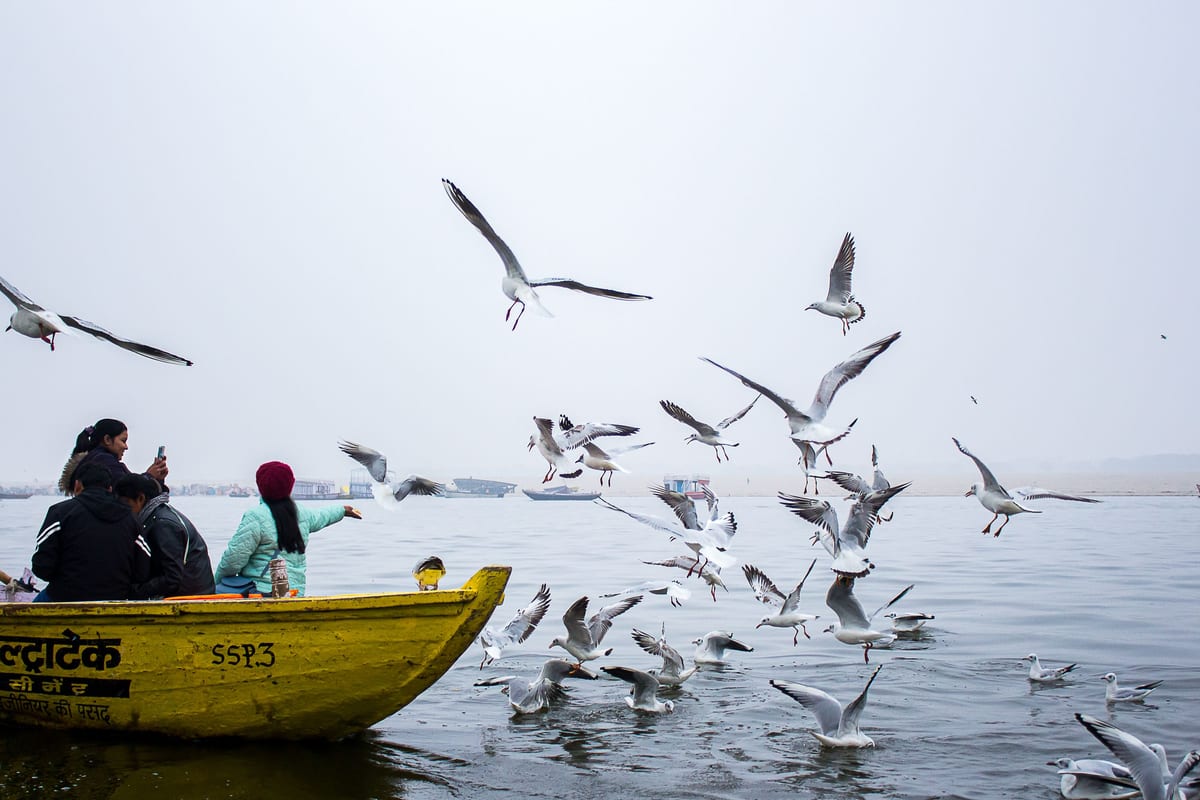
Varanasi: Where the Sacred River Carries Every Human Story
Varanasi — known also as Kashi and Banaras — is one of the world's oldest continuously inhabited cities and the spiritual heartland of Hindu civilisation. From the thunderous Ganga Aarti at Dashashwamedh Ghat to the meditative hush of dawn on the river, every moment here resonates with thousands of years of unbroken human devotion. This is not a destination you merely visit; it is one you carry with you long after you leave.

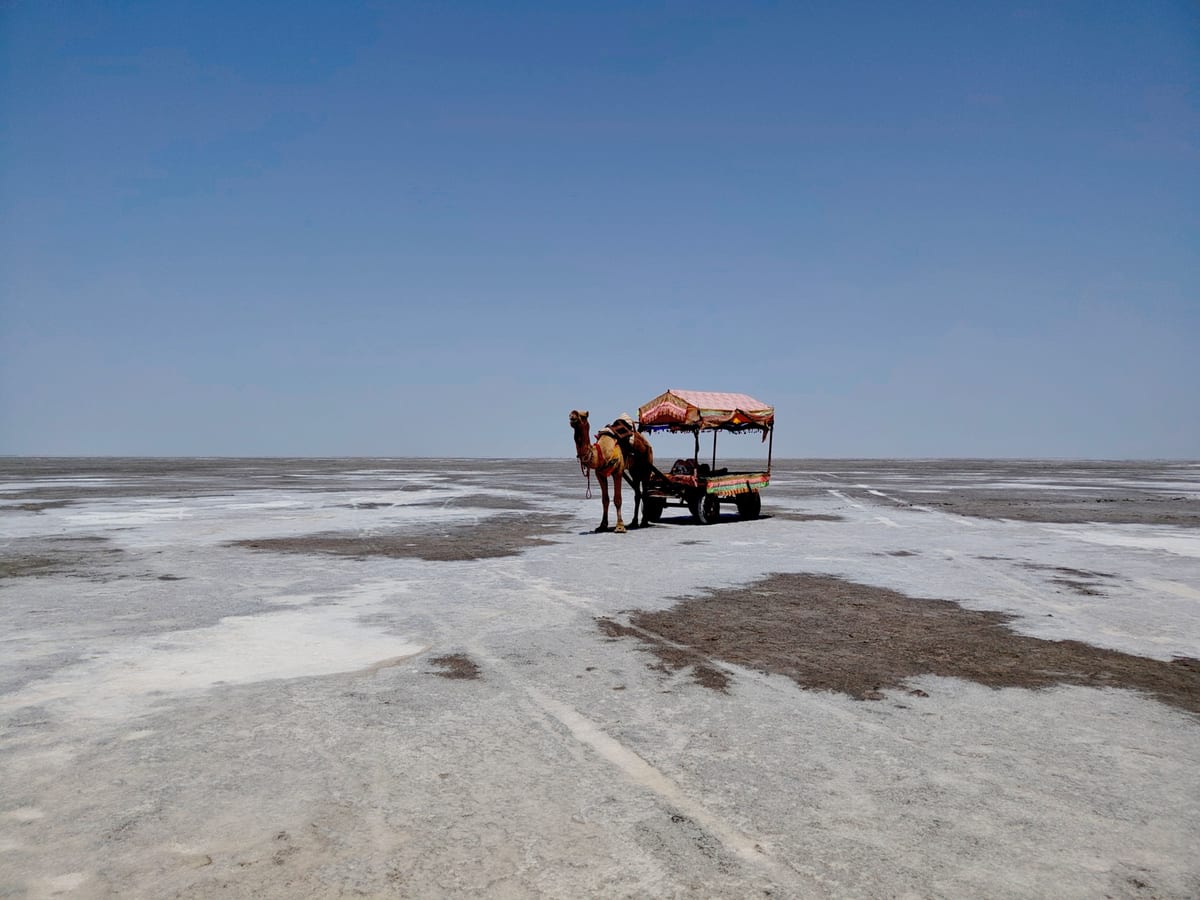
Where the Earth Meets the Sky: Rann of Kutch Endures
The Rann of Kutch in Gujarat is one of the world's largest salt marshes, stretching across a shimmering horizon where land and sky dissolve into each other. Far from being a barren wasteland, it is a living testament to India's civilisational depth — home to ancient crafts, nomadic communities, and a festival that draws the world. For the traveller who seeks meaning alongside beauty, the Rann offers both in abundance.
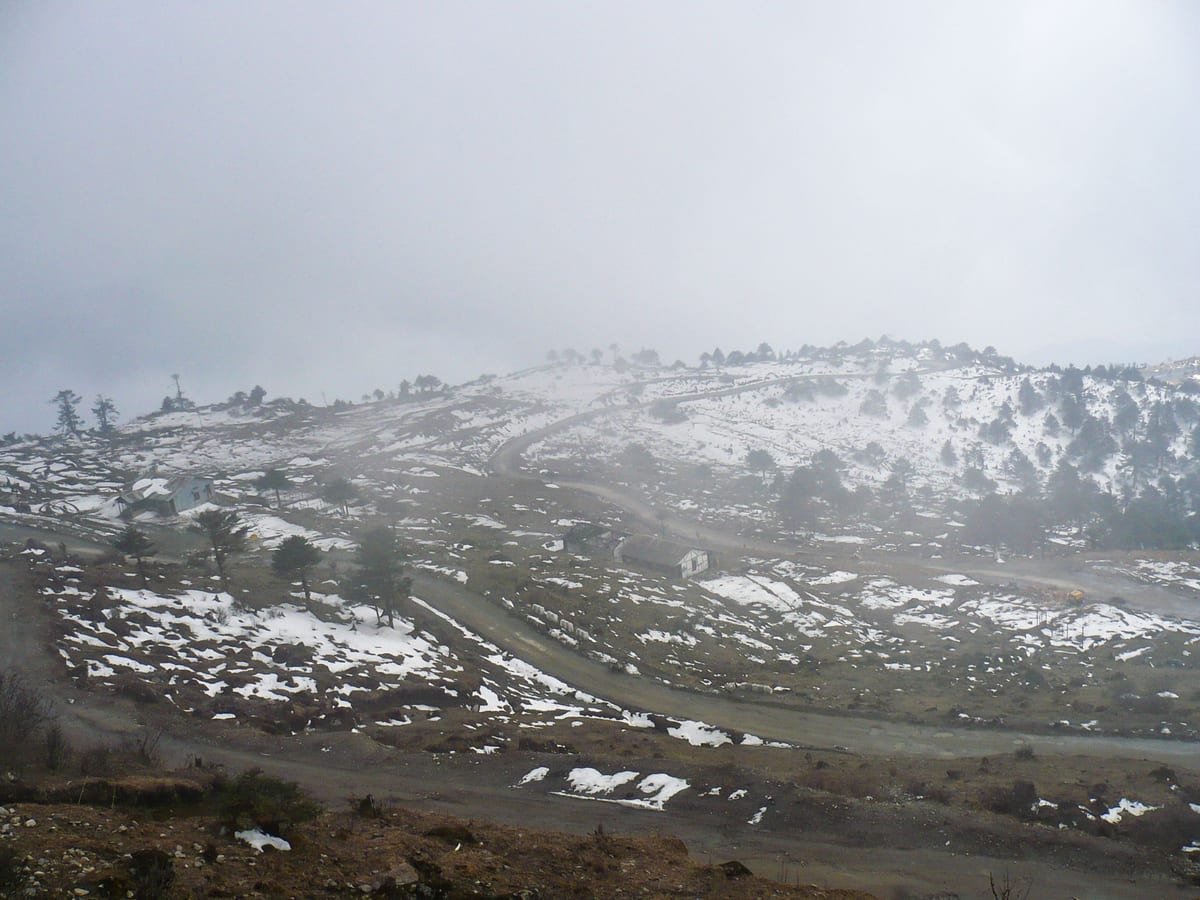
Tawang: Where the Himalayas Hold Eternity in Their Palms
Tawang, perched high in the eastern Himalayas of Arunachal Pradesh, is home to the largest monastery in India and one of the most spiritually charged landscapes on the subcontinent. It is a living civilisational outpost where Tibetan Buddhism, indigenous Monpa culture, and India's Himalayan identity have coexisted for centuries. For the traveller willing to make the journey, Tawang does not merely offer sights — it offers a reckoning with something ancient and enduring.

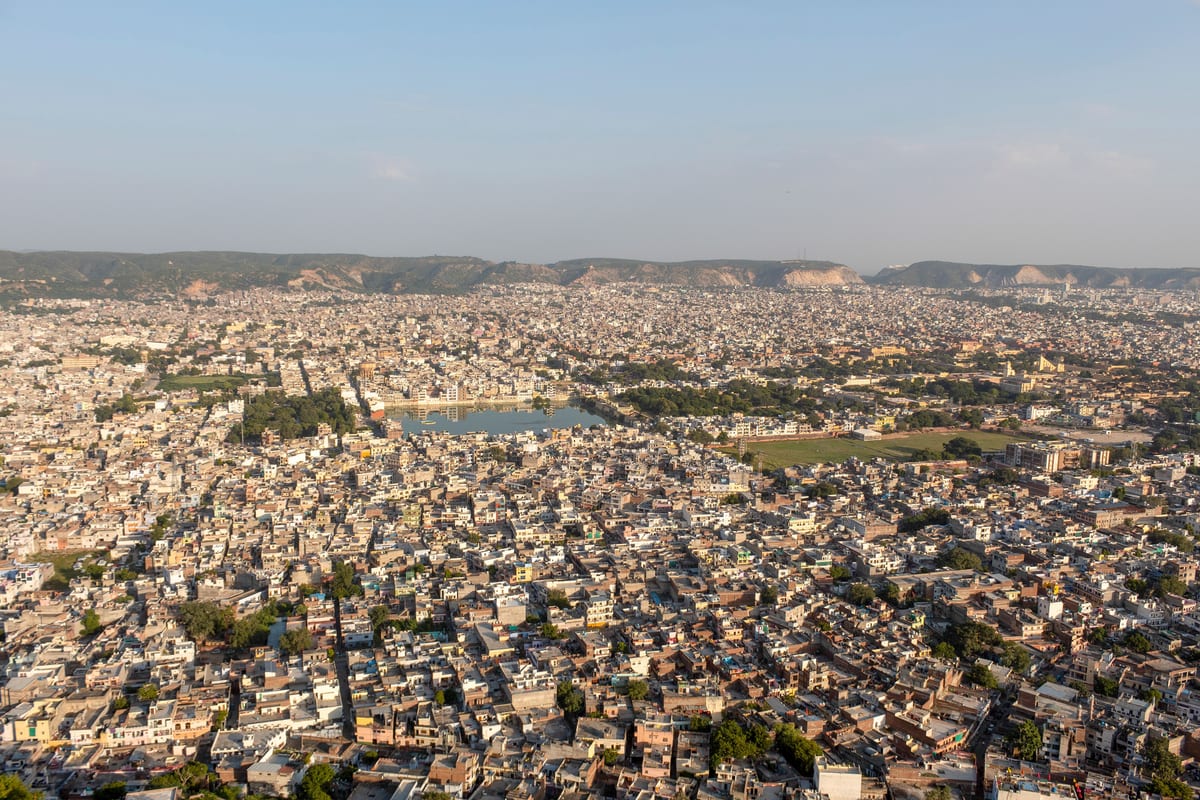
Jaipur: Where Rajput Grandeur Lives in Every Pink Stone
Jaipur, Rajasthan's storied Pink City, is far more than a heritage postcard — it is a living, breathing metropolis where Mughal-era planning principles, Rajput royal ambition, and vibrant street culture coexist without contradiction. Founded in 1727 by Maharaja Jai Singh II and built on the grid of Vastu Shastra, it remains one of the finest examples of deliberate urban design in Indian history. From the saffron-hued kachori stalls of the old bazaars to the sandstone ramparts of Amber Fort, Jaipur offers travellers a rare encounter with a civilisation that never stopped being alive.
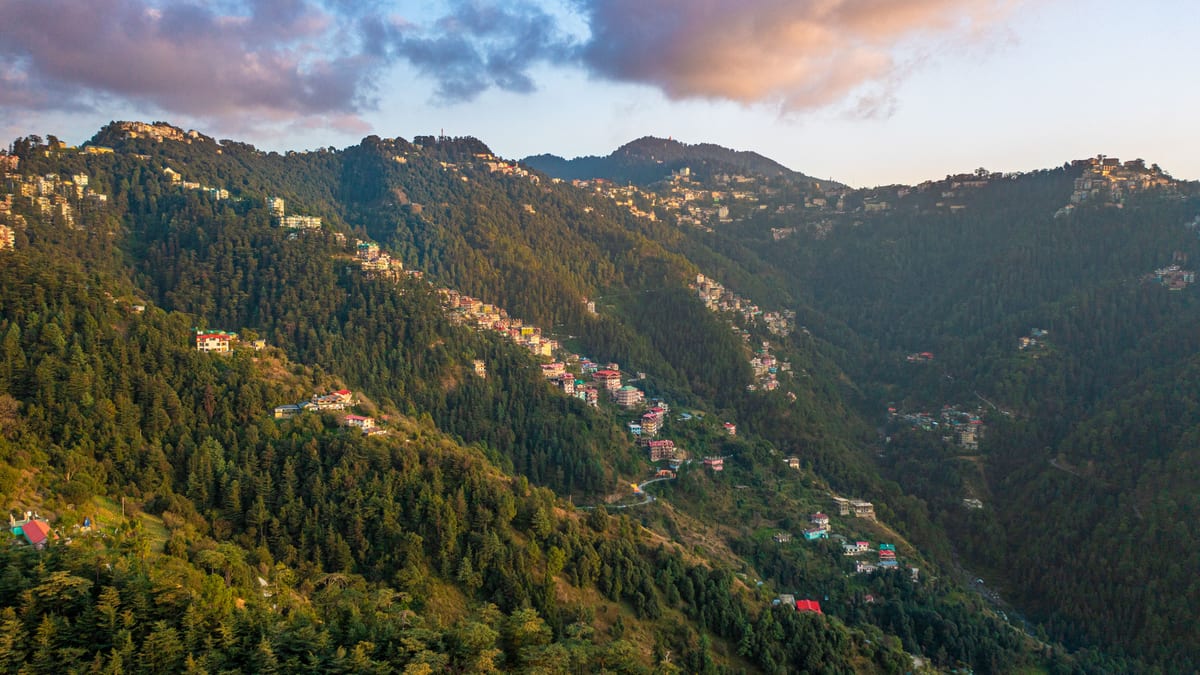
Shimla: Where the Himalayas Hold History in Their Hands
Shimla, the beloved hill station of Himachal Pradesh, has long been one of India's most storied destinations — first as the summer capital of British India, and today as a vibrant confluence of colonial architecture, Himachali culture, and Himalayan grandeur. From the UNESCO-listed Kalka-Shimla Toy Train to the bustling Mall Road and the spiritual pull of ancient temples, the town offers visitors an experience that is simultaneously historical and vibrantly alive. This is not a place preserved behind glass; it is a place that breathes, celebrates, and endures.

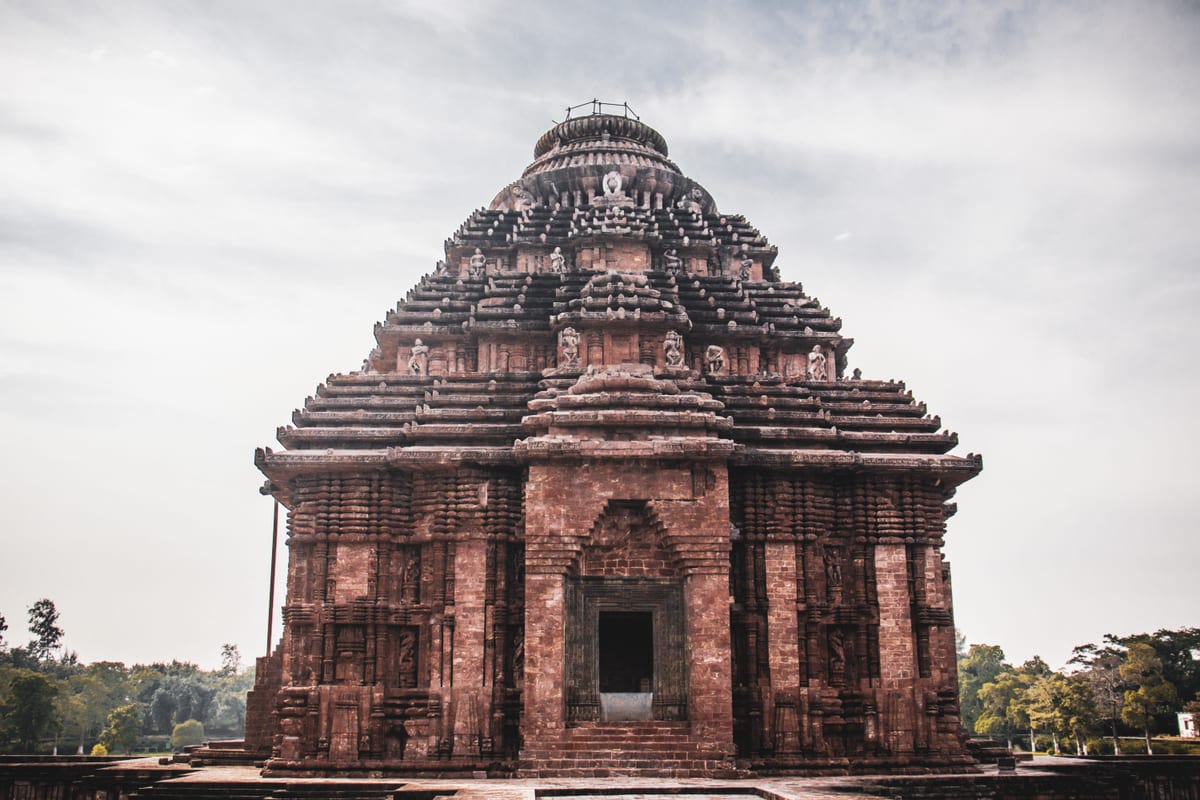
Konark Sun Temple: Where Stone Sings and Civilisation Endures
The Konark Sun Temple, a UNESCO World Heritage Site on the Odisha coastline, is one of India's most extraordinary acts of devotion in stone — a 13th-century vision of the sun god Surya's celestial chariot, frozen mid-journey across the sky. Built by King Narasimhadeva I of the Eastern Ganga dynasty, it stands not as a ruin to be mourned but as a living testament to India's civilisational depth. Visiting Konark is not sightseeing — it is a conversation across eight centuries.

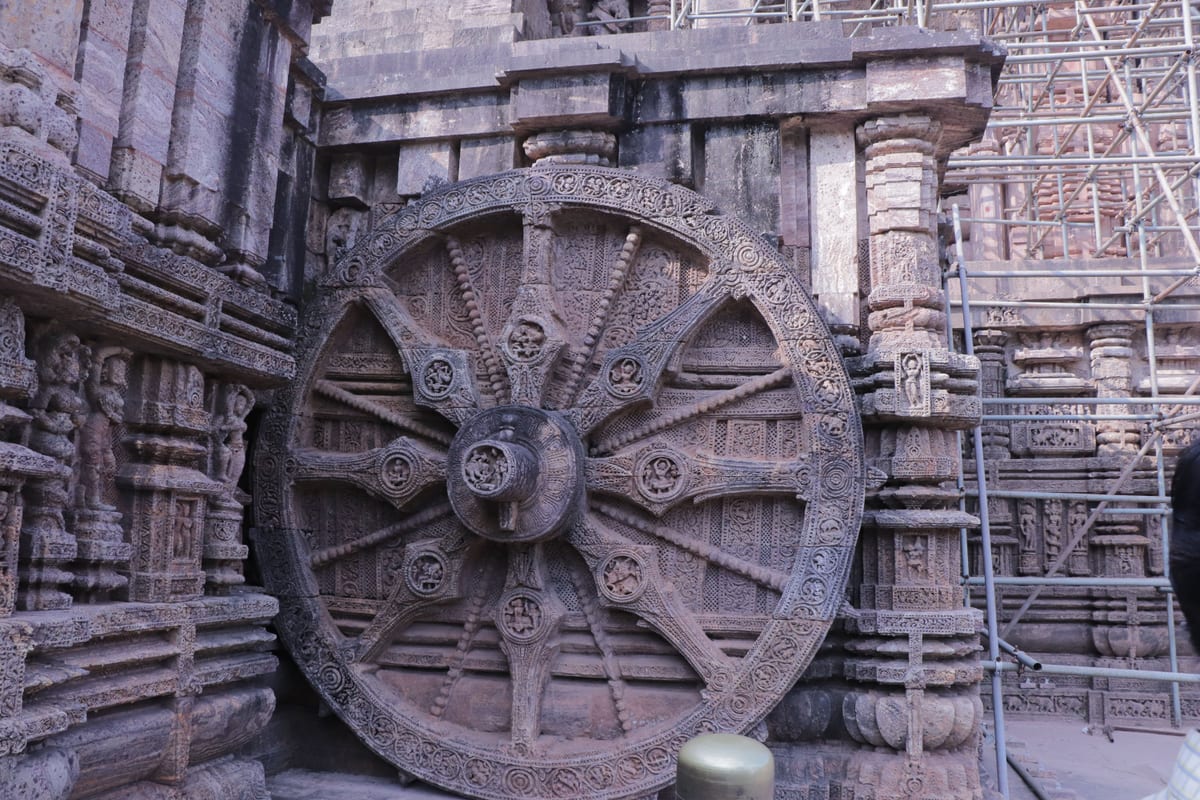
Konark Sun Temple: Where Stone Sings and Time Stands Still
Rising from the coastal plains of Odisha, the Konark Sun Temple is one of India's most breathtaking architectural achievements — a 13th-century stone chariot built in devotion to Surya, the Sun God. A UNESCO World Heritage Site, it embodies the artistic and spiritual genius of the Eastern Ganga dynasty and remains a living symbol of India's civilisational depth. This article explores its history, cultural significance, visitor experience, and why every Indian — and every curious traveller — owes it a pilgrimage.

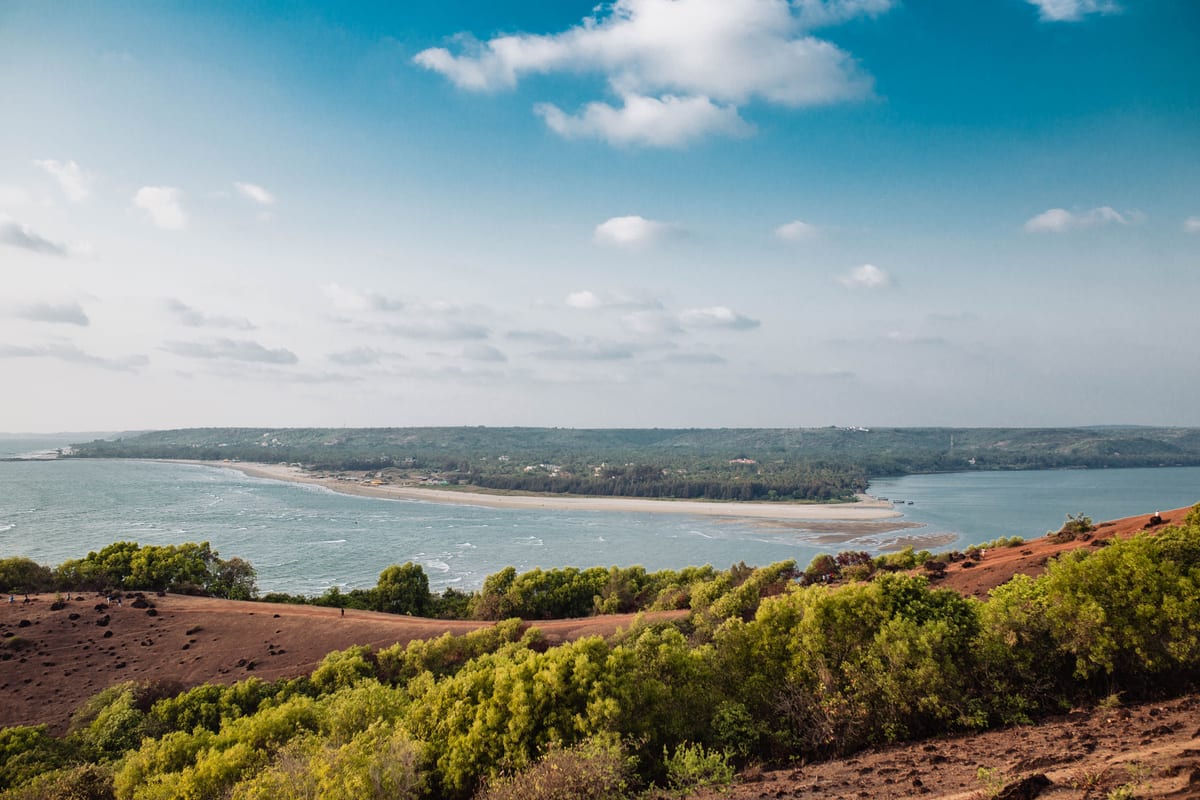
Goa Beaches: Where Sun, Soul, and Susegad Meet Forever
Goa's beaches are among India's most beloved destinations, stretching across a coastline that blends natural splendour with centuries of layered history. From the vibrant shores of Baga and Calangute to the tranquil sands of Palolem and Agonda, each beach carries its own character and cultural memory. This is not merely a holiday destination — it is a place where India's civilisational openness, its capacity to absorb and transform foreign influence, shines most brightly.

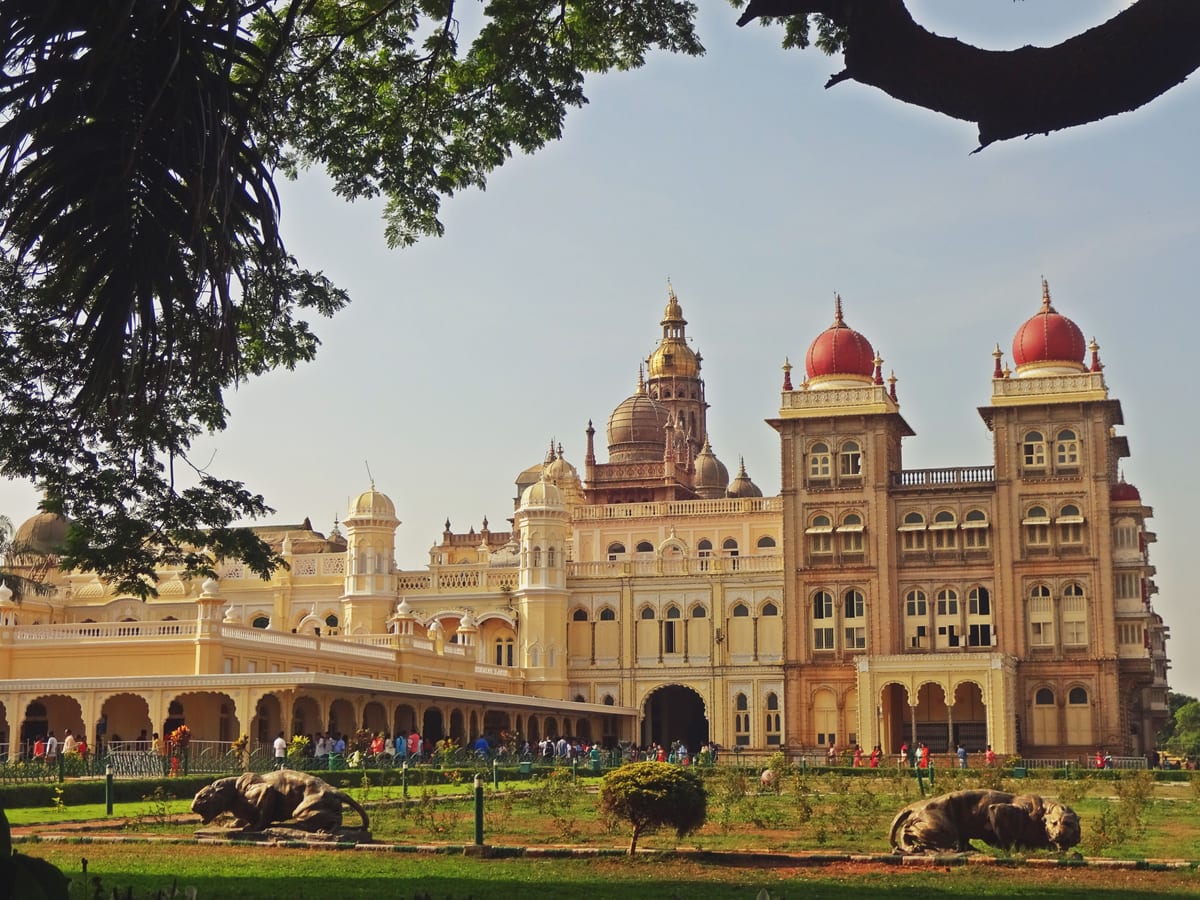
Mysore Palace: Where India's Royal Soul Still Breathes
Mysore Palace in Karnataka is not merely a royal residence frozen in history — it is a breathing, ceremonially active monument that connects modern India to centuries of Wodeyar dynasty rule. Drawing millions of visitors annually, the palace dazzles with its Indo-Saracenic architecture, its legendary Dasara celebrations, and its layered story of art, devotion, and statecraft. To walk its corridors is to understand that Indian civilisation did not end with empire — it endured, adapted, and illuminated.
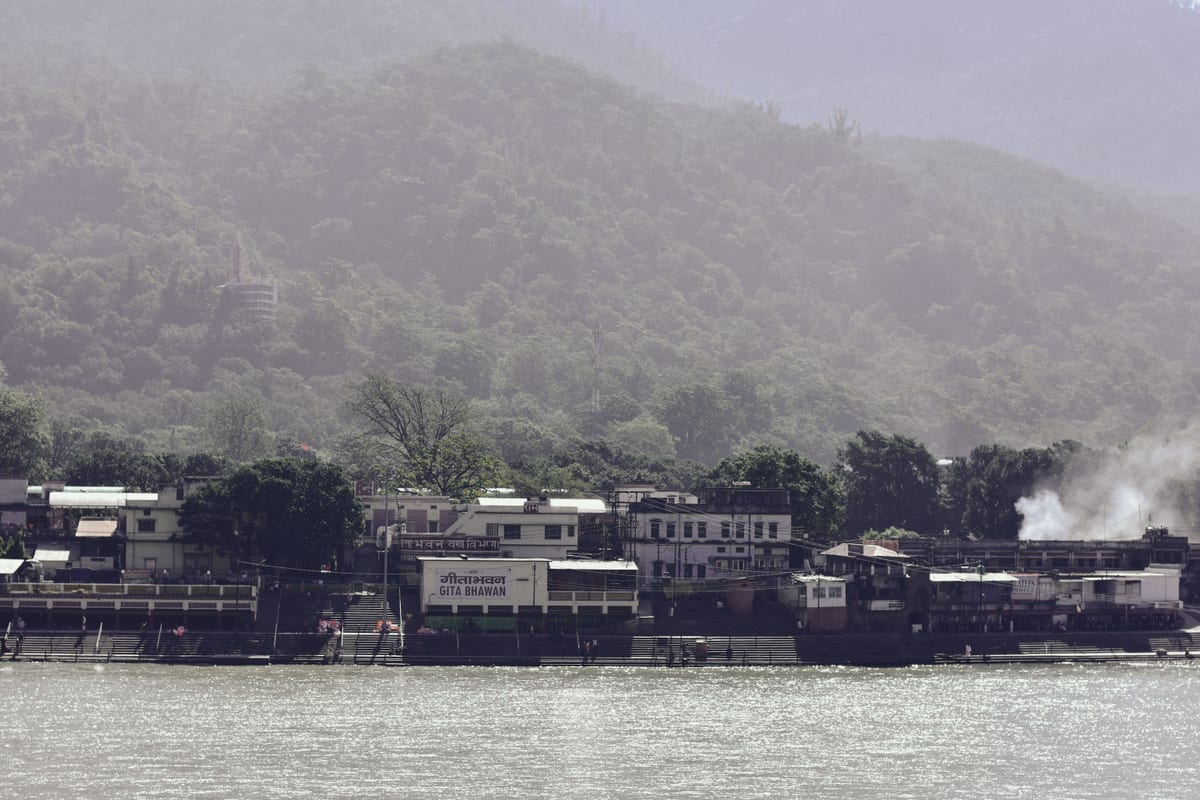
Rishikesh: Where the Himalayas Speak and the Ganga Listens
Rishikesh, nestled in the Himalayan foothills of Uttarakhand, is one of India's most spiritually charged destinations — a living city where ancient Sanskrit wisdom, the sacred Ganga, and modern seekers of all backgrounds converge. Known as the Yoga Capital of the World, it is both a gateway to the Char Dham pilgrimage circuit and a destination in its own right. This article explores what makes Rishikesh not merely a place to visit, but a civilisational experience to undergo.
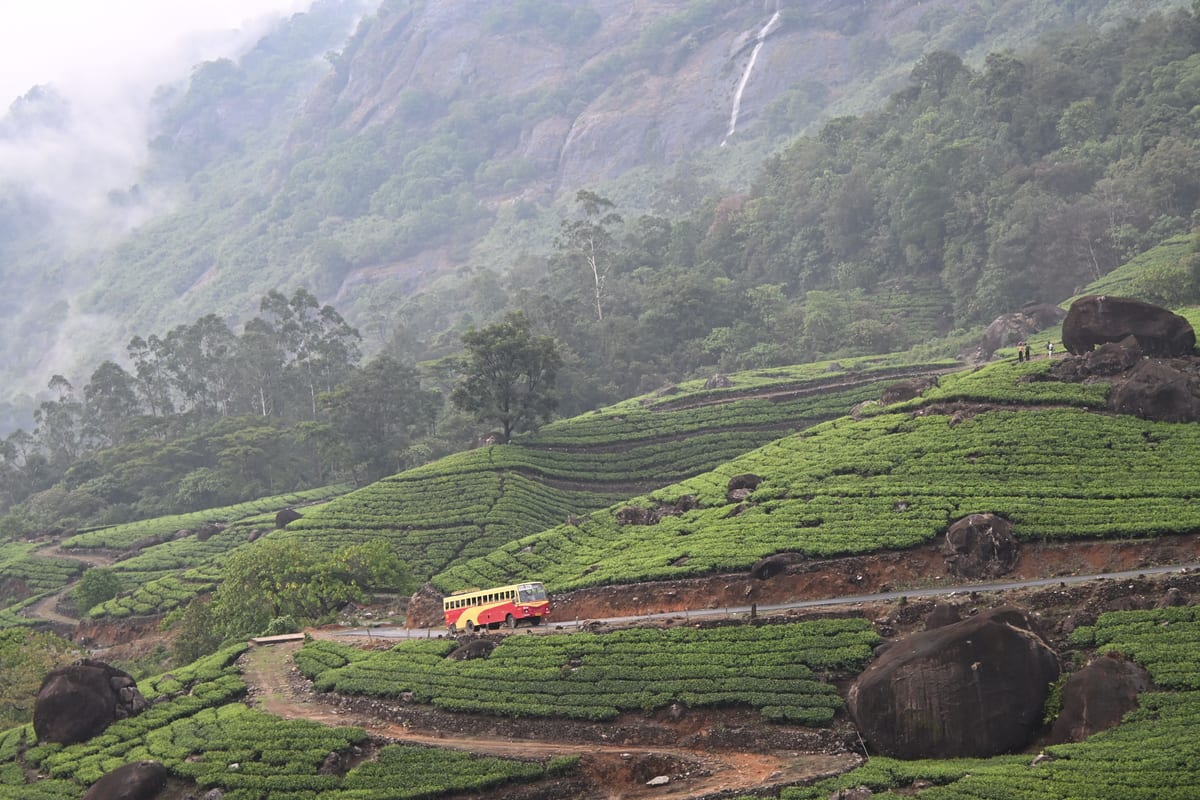
Munnar: Where Mist, Tea, and Timeless Kerala Breathe Together
Munnar, perched in the verdant Idukki district of Kerala, is one of India's most celebrated hill destinations, famed for its mist-clad mountains, sprawling tea estates, and extraordinary biodiversity. Its history stretches from indigenous tribal settlements to British colonial tea cultivation, and today it stands as a testament to the enduring relationship between Indian communities and their natural environment. For the thoughtful traveller, Munnar is not merely a scenic retreat — it is a place where India's civilisational bond with the land remains vivid and alive.