
World
Global affairs through an Indian lens.
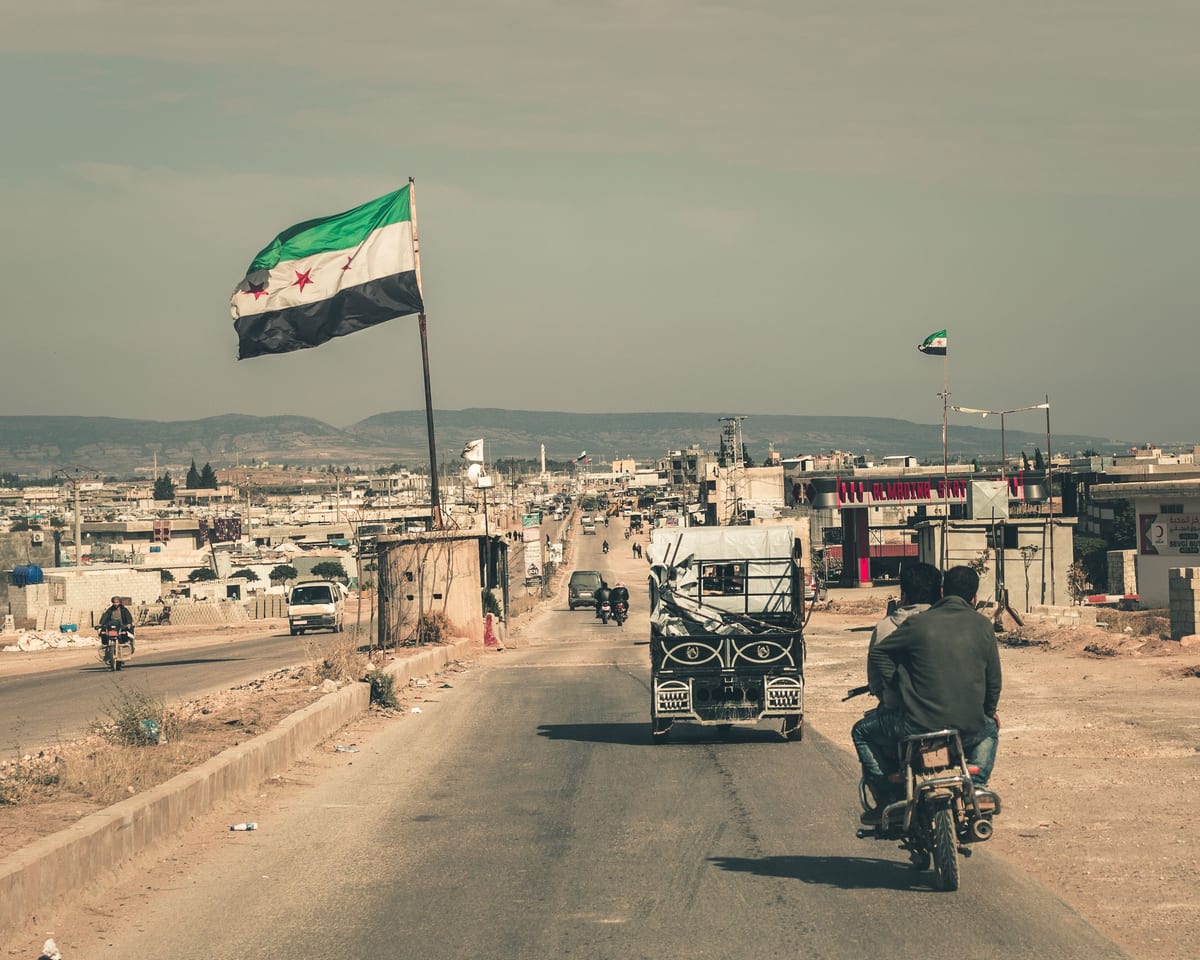
Security Council Weighs Syria's Transition as ISIS Threat Persists
Deadly southern clashes and fuel protests complicate a political process closely watched from New Delhi.

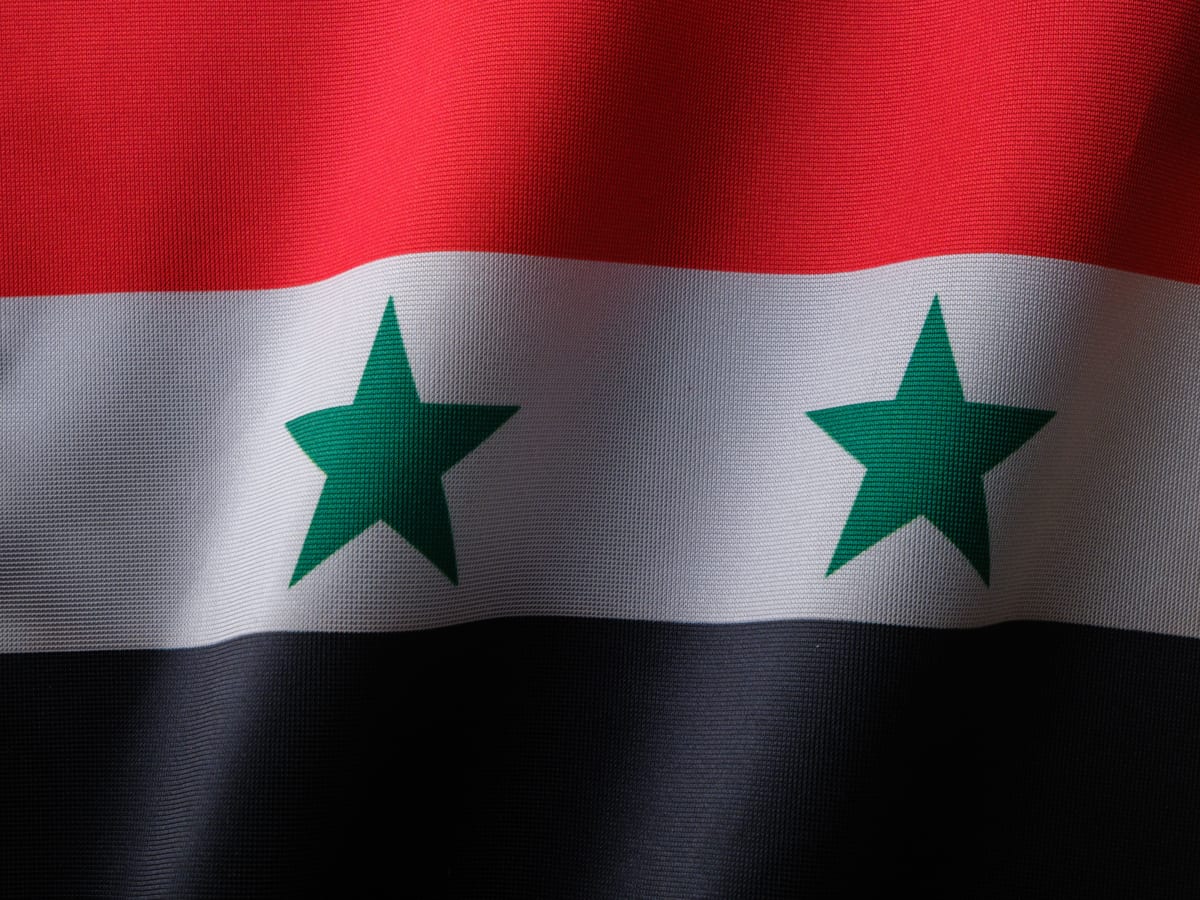
Britain Praises Syria's Safeguards Progress, Sets IAEA Stage
The United Kingdom told the IAEA Board of Governors on 9 September 2026 that Syria has made meaningful progress on longstanding nuclear safeguards issues, acknowledging the Assad regime's undeclared reactor at Dair Al Zour.


Taiwan's Drone Hellscape Doctrine and What It Teaches India's Defence Planners
Taiwan is building a drone-centric defence doctrine designed to deny the PLA a coastal foothold through surveillance swarms and loitering munitions — what military planners have called a 'drone hellscape.' The strategy carries direct lessons for India's own contested-border planning and its emerging indigenous drone ecosystem, while a successful deterrence model in the Taiwan Strait would also constrain PLA bandwidth on the Himalayan frontier.

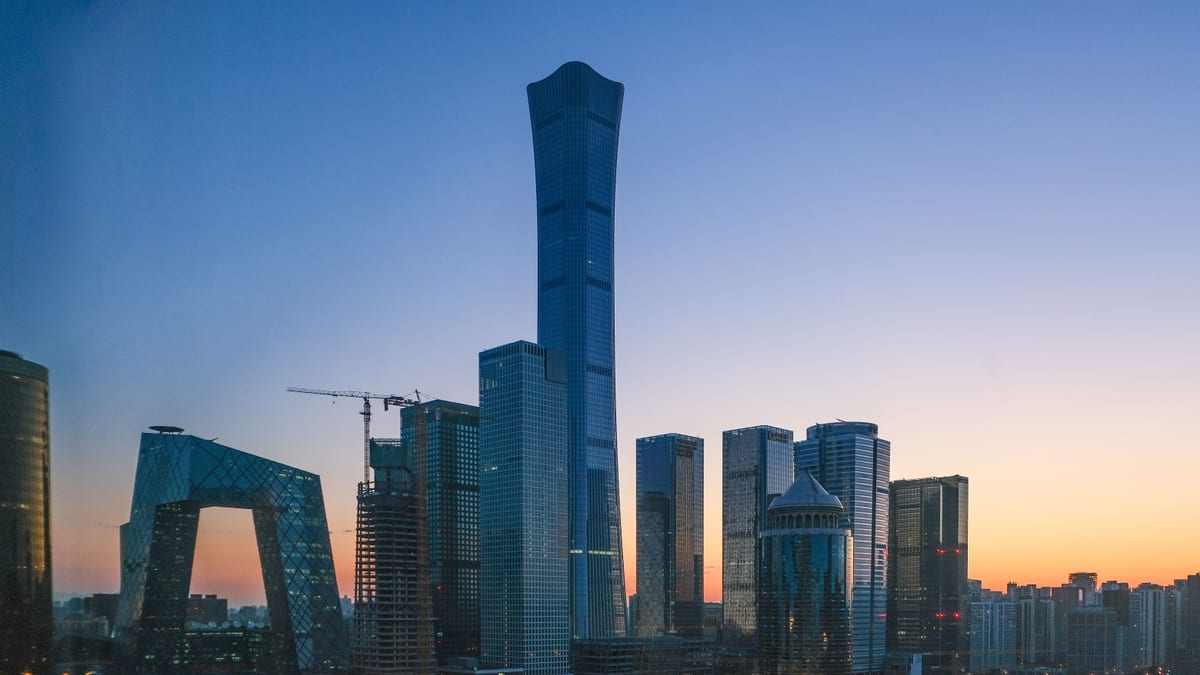
Kathmandu Blinks: Nepal's Tibet Conference Cancellation Reveals Beijing's Academic Reach
Kathmandu University cancelled an International Association for Tibetan Studies conference, citing an official order Nepal's government subsequently denied issuing. The episode lays bare how deeply Chinese political influence has penetrated Nepal's institutional life — and what that means for the Himalayan buffer India has long taken for granted.
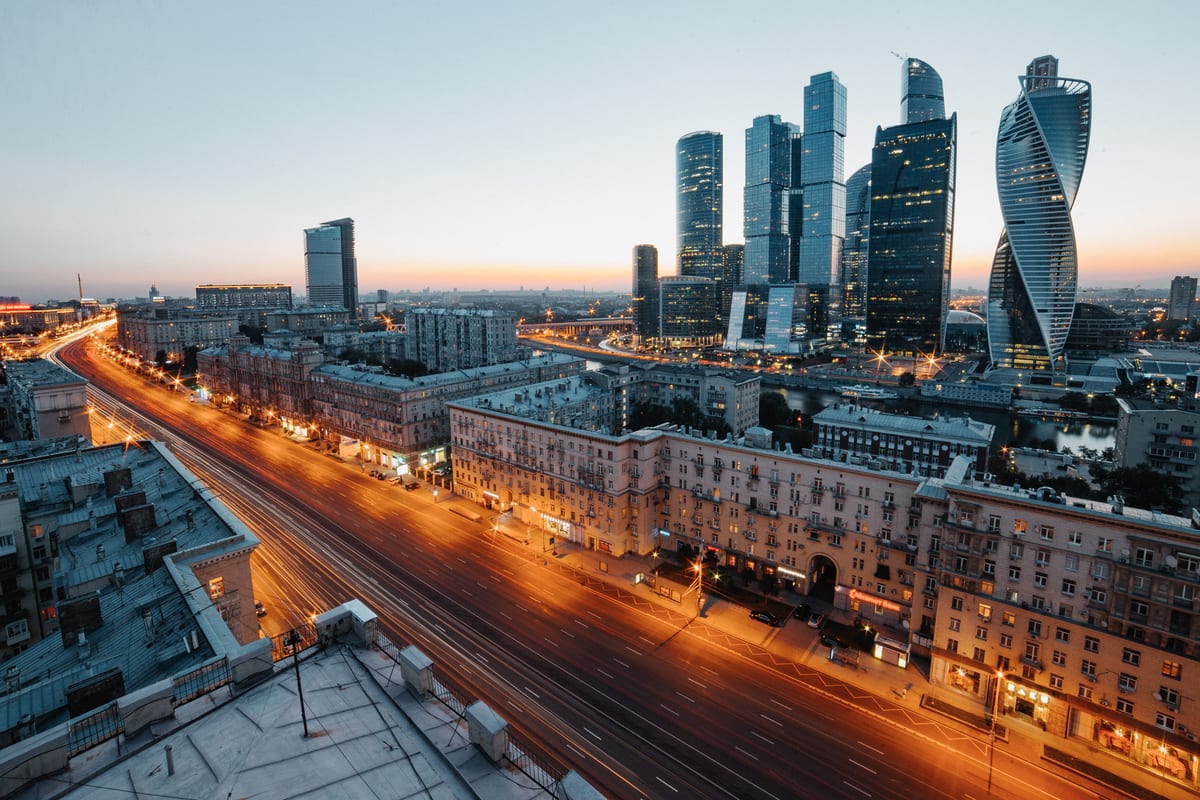
Eighteen Years On: How the Georgia Statement Widens India's European Fault Line
The UK, France, Germany, and Italy have issued a joint statement on the 18th anniversary of Russia's military action against Georgia, condemning the ongoing occupation of Abkhazia and South Ossetia and welcoming Nauru's withdrawal of recognition for those territories. For India, three of the four signatories are active Comprehensive Strategic Partners — making their convergence on 'illegal invasion' language a quiet pressure point in bilateral forums that New Delhi navigates through deliberate doctrine, not diplomatic accident.


Russian Strikes on Kyiv Kill 17 Civilians, UN Condemns Attack
A Russian strike that killed 17 people in Kyiv — the deadliest attack on the Ukrainian capital this year — drew sharp condemnation from UN Secretary-General António Guterres. For India, which has carefully cultivated a posture of principled non-alignment on Ukraine, the strike arrives at an uncomfortable moment: each high-casualty event chips away at the diplomatic middle ground New Delhi has staked out between Moscow and the West.

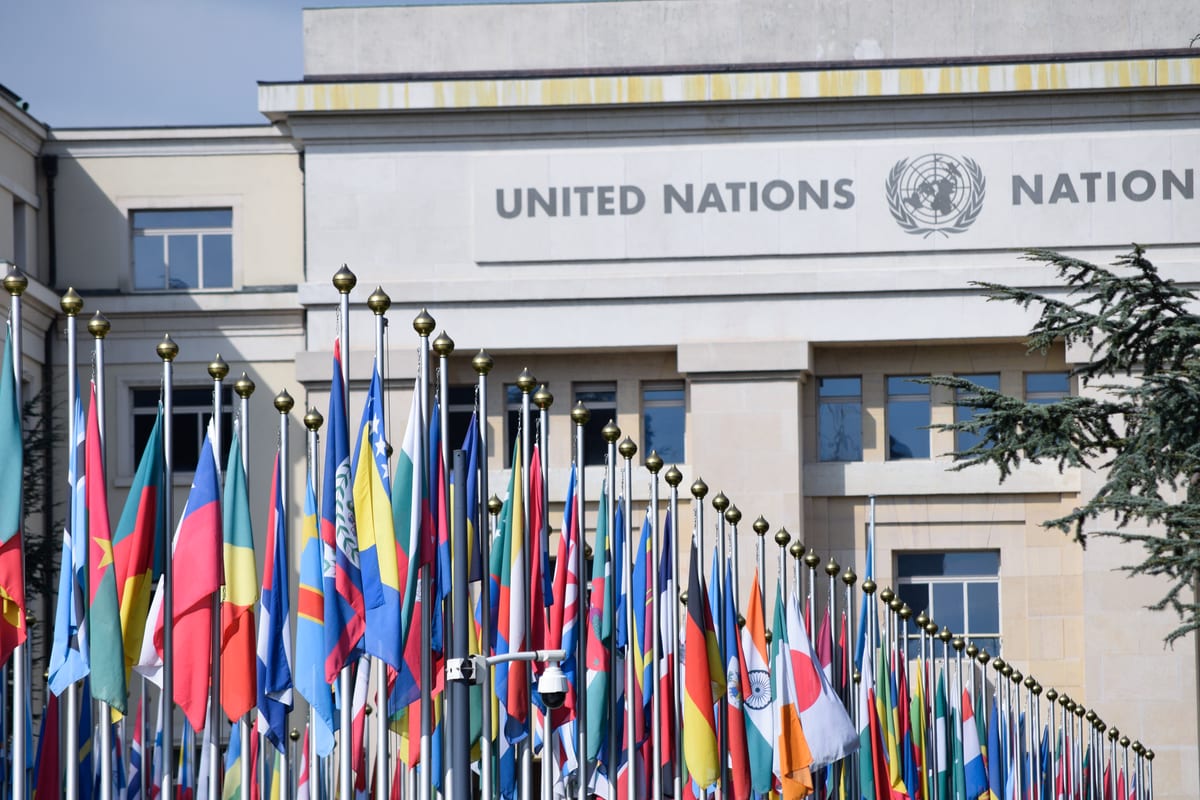
Hiroshima at 81: India's Nuclear Doctrine Speaks Louder Than Its Silence
Eighty-one years after the atomic bombing of Hiroshima, the annual commemoration revives global pressure for nuclear abolition through frameworks India has deliberately declined to join. India's position — No First Use, credible minimum deterrence, and a call for comprehensive multilateral disarmament — represents a distinct moral architecture that deserves a more assertive diplomatic hearing than New Delhi has recently given it.
A New Ebola Vaccine Trial Opens a Window India Cannot Afford to Miss
The WHO has announced the launch of a vaccine trial targeting the Bundibugyo strain of Ebola, amid the largest outbreak on record in the Democratic Republic of the Congo. No licensed vaccine exists for this strain, making the trial a rare early-stage opening in global health diplomacy. For India, which positions itself as the world's pharmacy and has deepened Africa engagement through multilateral forums, the question is whether its manufacturers can embed themselves in the trial supply chain — or whether that window closes before New Delhi acts.
Apple Pulled Telegram — and India's Regulatory Case Just Got Stronger
Apple temporarily removed Telegram from its App Store over child sexual abuse material violations, a rare and significant enforcement action against one of the world's most widely used messaging platforms. The episode illuminates a fault-line that India's regulators have been pressing against for years: when platforms refuse compliance with national law, the most consequential enforcement lever sits not with governments but with Cupertino and Mountain View. For a country where Telegram commands a user base exceeding 100 million, the implications reach from child protection law all the way to the architecture of digital sovereignty.
Amazon Crosses $3 Trillion: What a Number Reveals About AI's New Geography
Amazon's market capitalisation crossed $3 trillion for the first time, driven by record quarterly profits exceeding $62 billion, with the gains concentrated in AI cloud services and proprietary chip divisions. The milestone is not merely a Wall Street event — it maps the consolidation of AI infrastructure into a handful of US corporations, a pattern with direct consequences for every economy that runs its digital ambitions on borrowed compute. India, simultaneously Amazon Web Services' largest growth frontier and a government committed to sovereign AI infrastructure, sits at the sharpest edge of that tension.

Ukraine Rebuilds Slowly — and India Has a Commercial Stake in the Outcome
Four years into the war, Ukraine is showing signs of social and institutional recovery even as fighting continues. The story has moved from emergency evacuation to long-term reconstruction — a shift that carries real commercial and diplomatic stakes for India, which evacuated over 22,000 nationals in 2022 and has since maintained a non-sanctions posture that now looks less like fence-sitting and more like strategic preparation.
A Strong El Niño Is Coming — And India's Monsoon Is in the Crosshairs
The UN's World Meteorological Organization warned on July 31 that El Niño will intensify starting in August, reshaping rainfall and temperature patterns across the globe. For India, the timing is acutely uncomfortable: the southwest monsoon is at its midpoint, kharif sowing is underway, and the historical record shows that strong El Niño events have produced below-normal rainfall over the subcontinent in a majority of occurrences. The policy question is not whether India has contingency plans — it does — but whether those plans are being activated with sufficient lead time.
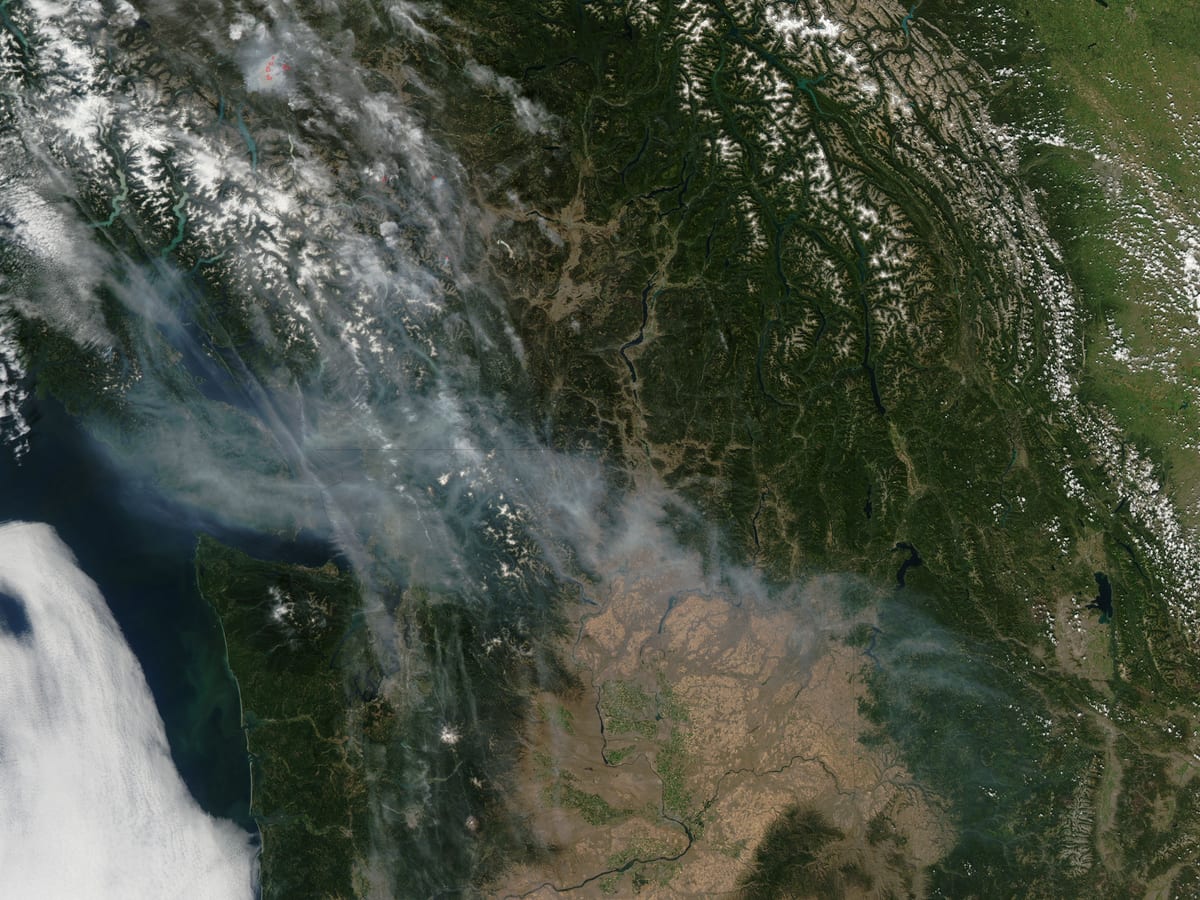
Wildfire Smoke Travels Far — And India Breathes What It Cannot See
The World Health Organization has warned that wildfire smoke poses serious health threats far beyond fire zones, carrying fine particulate matter and toxic compounds across national borders. For India — already home to some of the world's most polluted cities, and facing seasonal fire smoke from its own forests and fields as well as from neighbouring regions — the advisory lands on ground that is already compromised. The deeper problem is structural: India's air-quality institutions were built for factory chimneys and exhaust pipes, not for smoke that moves like weather.

A Social Security Treaty With Britain Closes a Long-Open Account for Indian Workers
Britain and India have formalised a Social Security Agreement, presented to the UK Parliament in July 2026, that eliminates double social security contribution liability for workers posted between the two countries. The agreement is a tangible win for Indian IT majors and professional-services firms with large UK operations, reducing payroll friction on intra-company transfers. Its conclusion as a standalone instrument — separate from the still-evolving comprehensive trade negotiations — reflects a deliberate decision by both governments to bank worker-mobility gains independently of the broader bilateral economic architecture.

Britain Condemns West Bank Settler Violence — India Holds Its Own Line
UK Minister Stephen Doughty issued a formal statement condemning escalating settler violence in the West Bank, including arson attacks on mosques and lethal incidents across multiple Palestinian villages. The statement demands Israel prosecute settler perpetrators and rejects settlement expansion as a response to violence. For India — which maintains defence partnerships with Israel, diplomatic ties with the Palestinian Authority, and deep strategic relationships with Gulf states invested in the Palestinian cause — London's condemnatory register represents a path New Delhi has consistently declined to walk.
Washington's Iran Paralysis Leaves India's Chabahar Gambit in Limbo
Reports of deep divisions among Trump's top advisers on Iran — with no consensus between hawkish military options and diplomatic tracks — have stalled US-Iran negotiations well past the timeline the White House expected. For India, the paralysis is not a spectator sport: the Chabahar Port corridor, Iranian crude supply lines, and the International North-South Transport Corridor all sit squarely in the shadow of whatever Washington decides next.

Boats Lost Off Myanmar, Corridors Strained: India's Rakhine Exposure
Independent UN experts have called for urgent action after reports emerged that two boats carrying more than 500 Rohingya passengers may have capsized off Myanmar's coast in mid-July. The disaster points to a renewed wave of displacement whose consequences extend well beyond Bangladesh's overextended refugee infrastructure — into India's northeastern border states, its stalled infrastructure corridor through Rakhine, and its ambitions as a credible Voice of the Global South on development-linked migration.
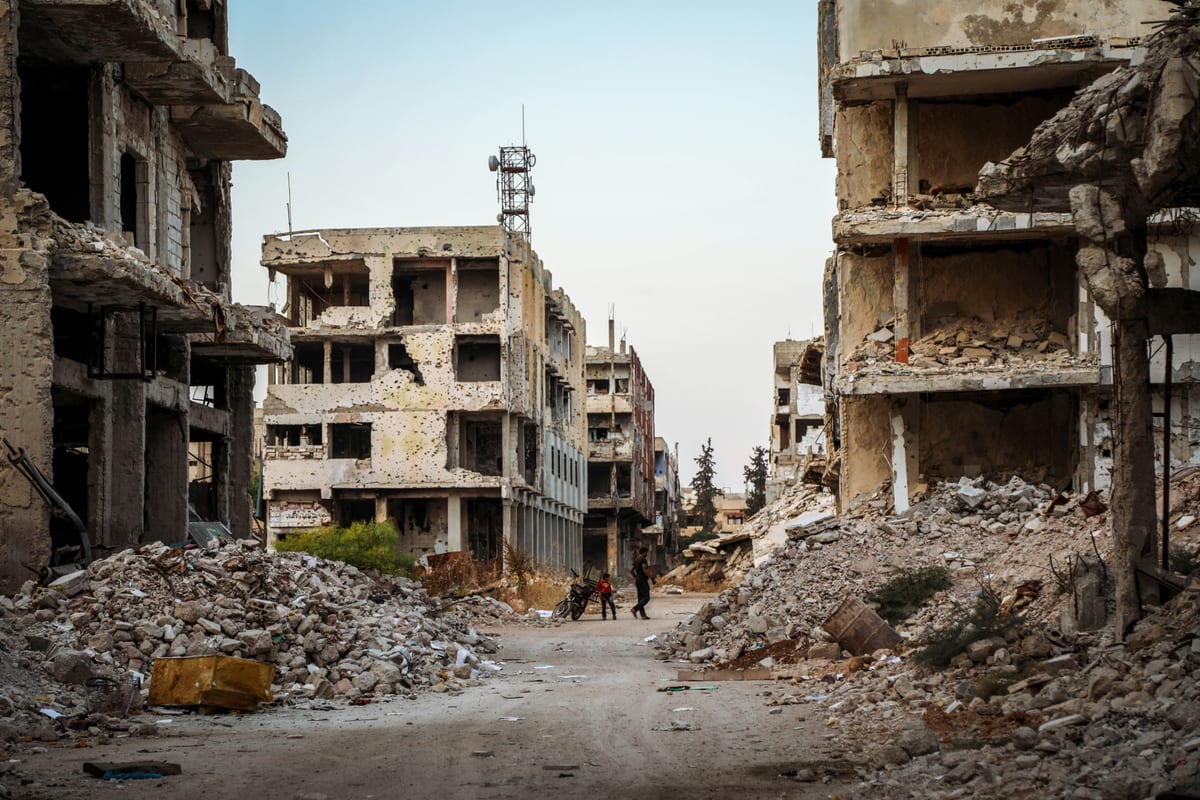
A Mosque Strike in Gaza and the Arithmetic of India's Dual-Track Diplomacy
Israel struck a Gaza mosque it claims Hamas used for weapons storage, even as a fragile ceasefire nominally holds — a truce that has nonetheless seen over 1,200 people killed since October 2025. For India, the recurring cycle of ceasefire-and-strike is not a distant humanitarian spectacle; it is a variable in energy prices, Gulf remittance flows, and the credibility of a diplomatic posture New Delhi has spent two years carefully constructing.
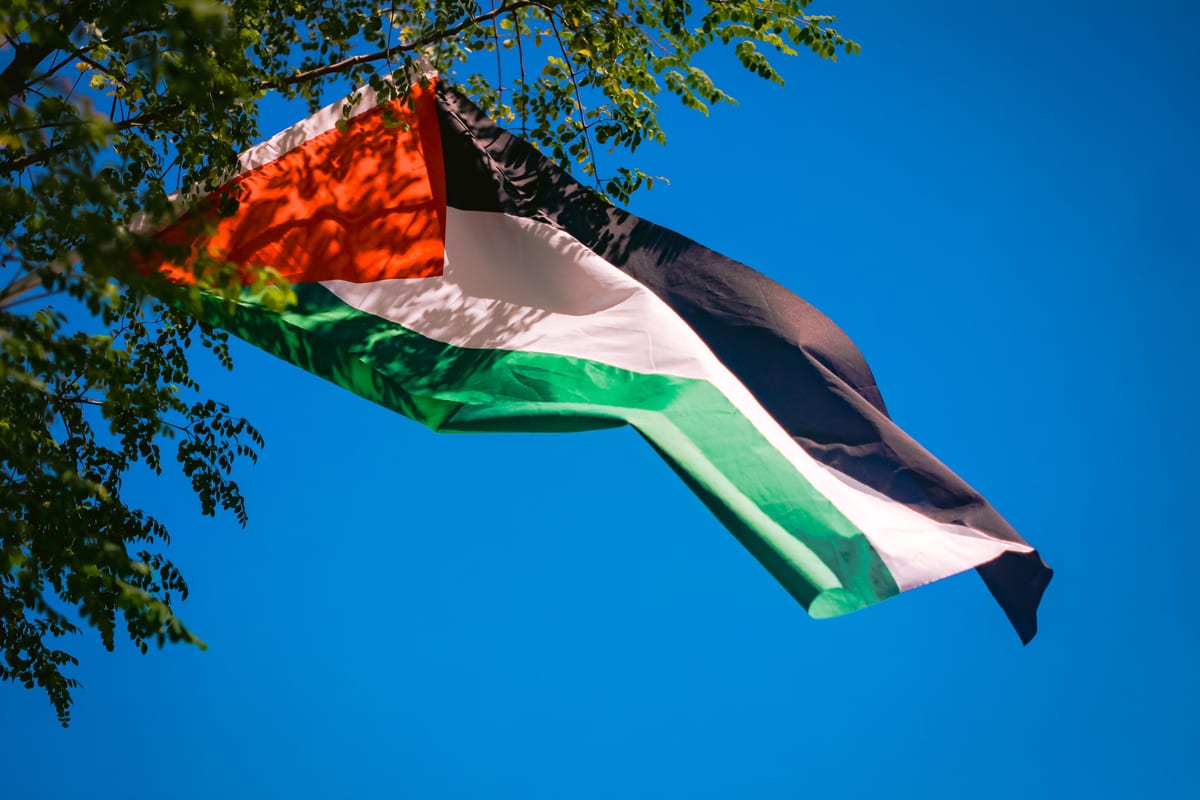
West Bank Settler Violence Peaks as India Navigates Its Dual-Track Palestine Posture
The UN human rights office has warned that settler violence in the occupied West Bank has reached an all-time high, with Israeli security forces frequently acting alongside settlers in attacks on Palestinian communities. For India, which maintains a deliberate dual-track posture — deepening defence cooperation with Israel while formally backing Palestinian statehood — the escalation sharpens a long-running tension between strategic interest and diplomatic credibility.
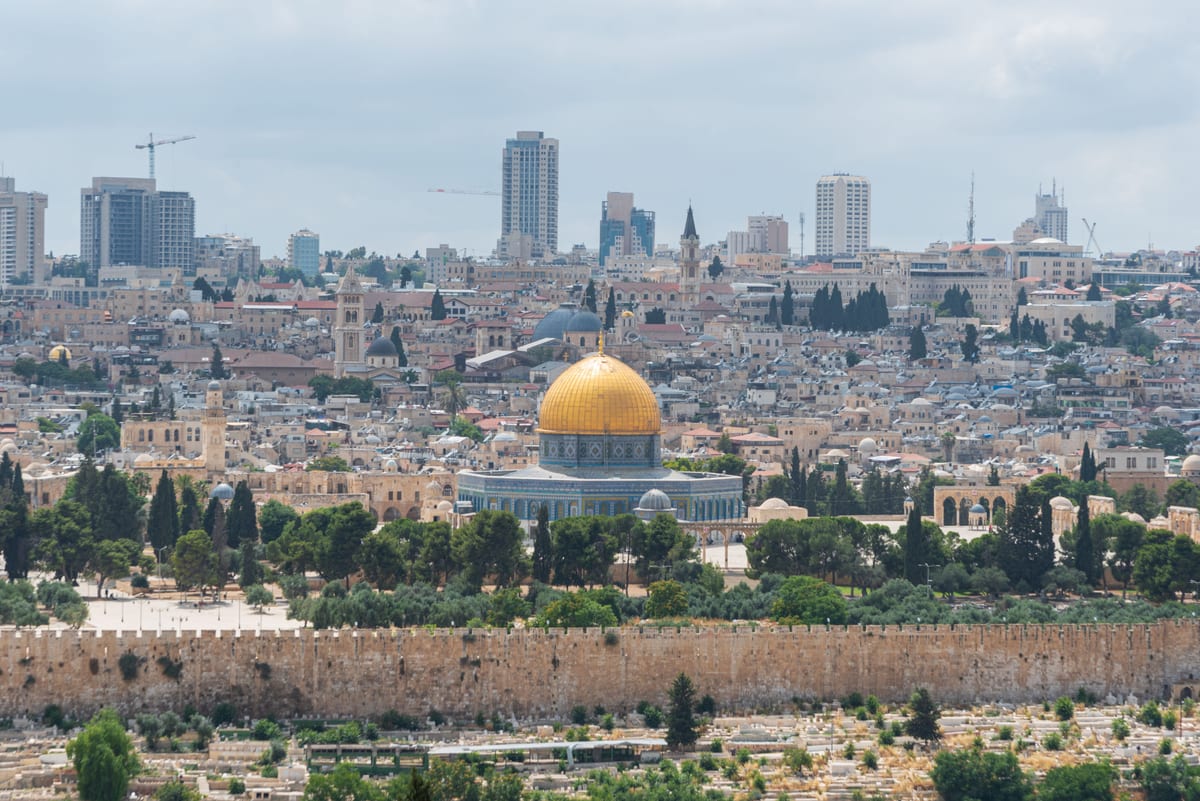
A Murder in Jerusalem Exposes India's Labor Export Blind Spot
An Indian migrant worker was found dead in a Jerusalem flat, with a 31-year-old Israeli man arrested on suspicion of murder. The case throws into sharp relief the structural vulnerabilities of Indian workers deployed to Israel under the 2023 bilateral labor agreement — workers who often arrive with limited legal awareness, informal housing arrangements, and thin consular support. India's credibility as an organized labor exporter rests partly on its ability to close that gap.
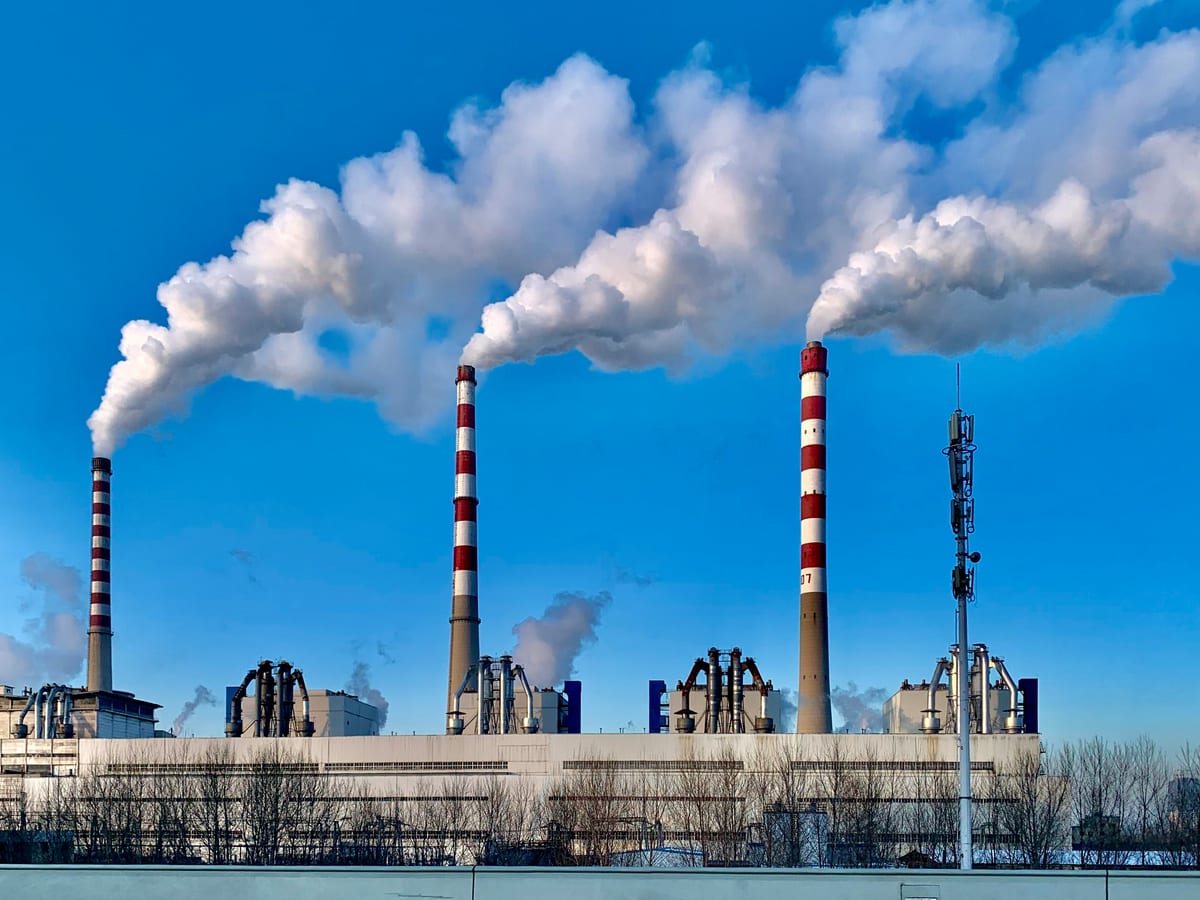
Satellites See Every Methane Leak. India Must Decide Who Tells the Story.
Satellites can now detect major methane leaks within days, yet only 13 per cent of alerts prompt any response from the governments or companies responsible. For India — the world's third-largest methane emitter, outside the Global Methane Pledge, and without a statutory leak-detection framework — the gap between orbital data and ground-level accountability is narrowing fast, and the terms on which that narrowing happens are still contestable.
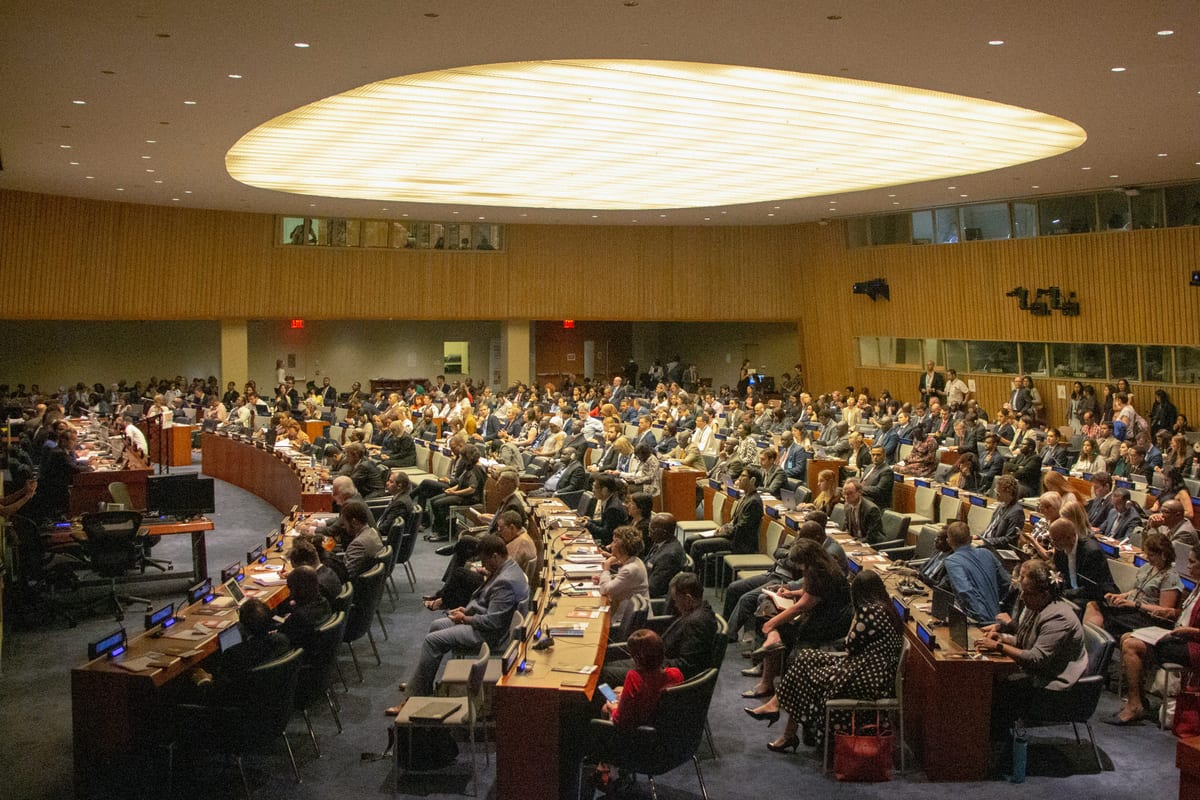
The Gap Between Saying and Doing: Security Council's Preventive Diplomacy Problem
A UN Security Council debate on July 23 exposed the persistent gap between member states' rhetorical endorsement of peaceful dispute settlement and the Council's actual deployment of Chapter VI instruments. Ambassadors examined early warning systems, mediation tools, and the conditions under which preventive diplomacy might displace the Council's habitual drift toward punitive Chapter VII responses. For India — a reform advocate with a sophisticated interest in how these instruments are institutionalized — the debate is anything but procedural.

Hormuz on Fire: India's Energy Lifeline Runs Through a War Zone
The escalating US-Iran confrontation, marked by American strikes on Iranian targets and renewed Houthi attacks on Saudi tankers in the Red Sea, has placed the world's most critical oil transit corridor under active threat. For India, which routes a substantial share of its crude imports through both the Strait of Hormuz and the Red Sea, this is not a distant geopolitical drama — it is a direct assault on the arteries that keep Indian refineries running and domestic fuel prices stable. The crisis also imperils India's Chabahar port investment and the broader INSTC connectivity vision that New Delhi has built around Iranian territory.
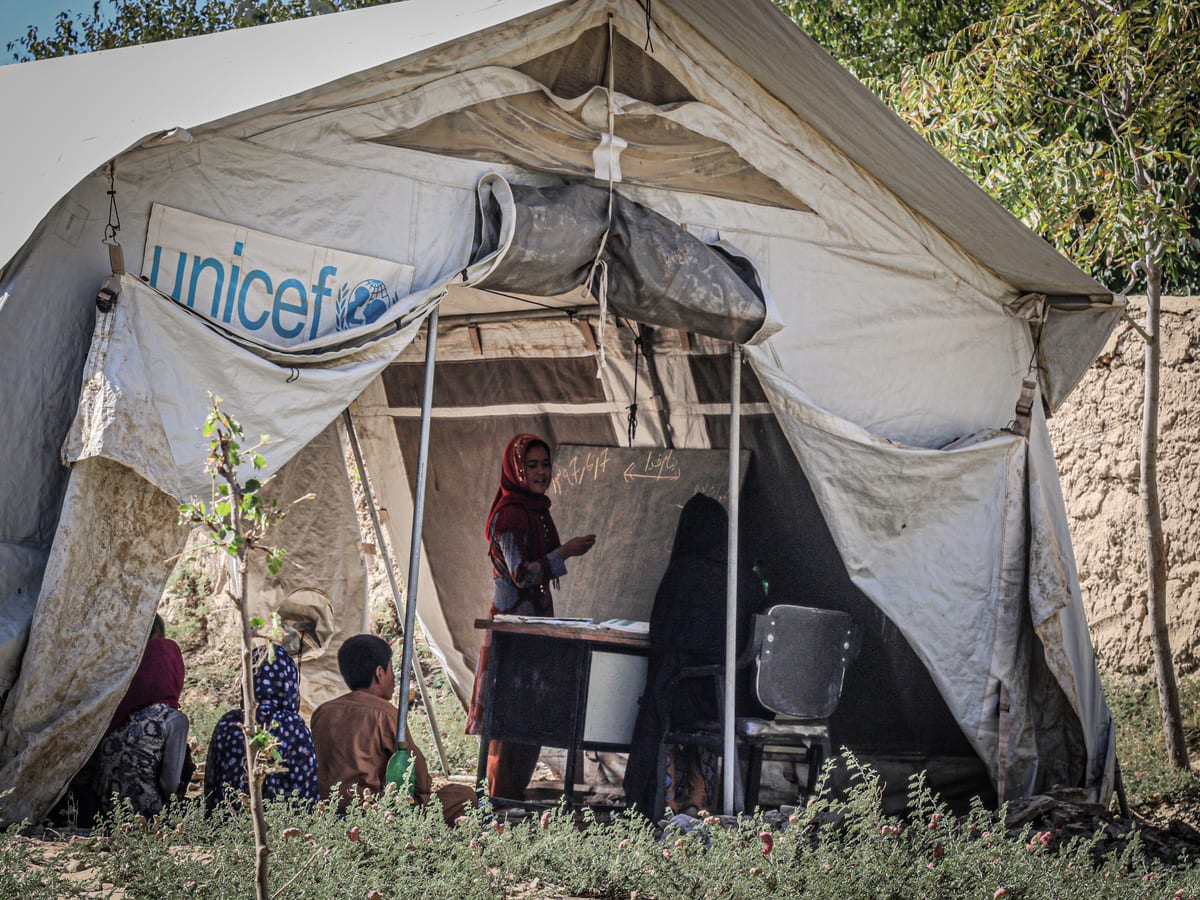
When the Mountains Break: Afghanistan's Floods and India's Unfinished Diplomacy
Flash floods have killed at least 26 people across eastern Afghanistan, with Nuristan province bearing the heaviest toll as homes, markets, and roads were swept away. The disaster compounds the Taliban's administrative failures in a region historically associated with militant transit routes. For India, the crisis exposes a structural gap: a substantial legacy of development investment and genuine goodwill in Afghan civil society, with no durable mechanism to translate either into timely humanitarian reach.