
Opinion & Analysis
Deep analysis — the publication's primary content type.
Delhi's Deputation Racket: How the Centre Games Its Own Cadre Rules
When rotation policy bends to political convenience, cadre states pay the price in hollowed administrations.

The PERM Freeze Is Not a Crisis. It Is a Corrective.
The US suspension of the PERM labour certification programme has frozen permanent residency pathways for thousands of Indian IT professionals at firms like TCS and Infosys. This opinion piece argues that rather than treating the freeze as a diplomatic grievance, India must read it as a long-overdue strategic signal — one that should accelerate the shift from services arbitrage to IP creation, domestic product companies, and AI-native capabilities built for global markets on India's own terms.

India's Electoral Machinery Needs Architecture, Not Just Arbiters
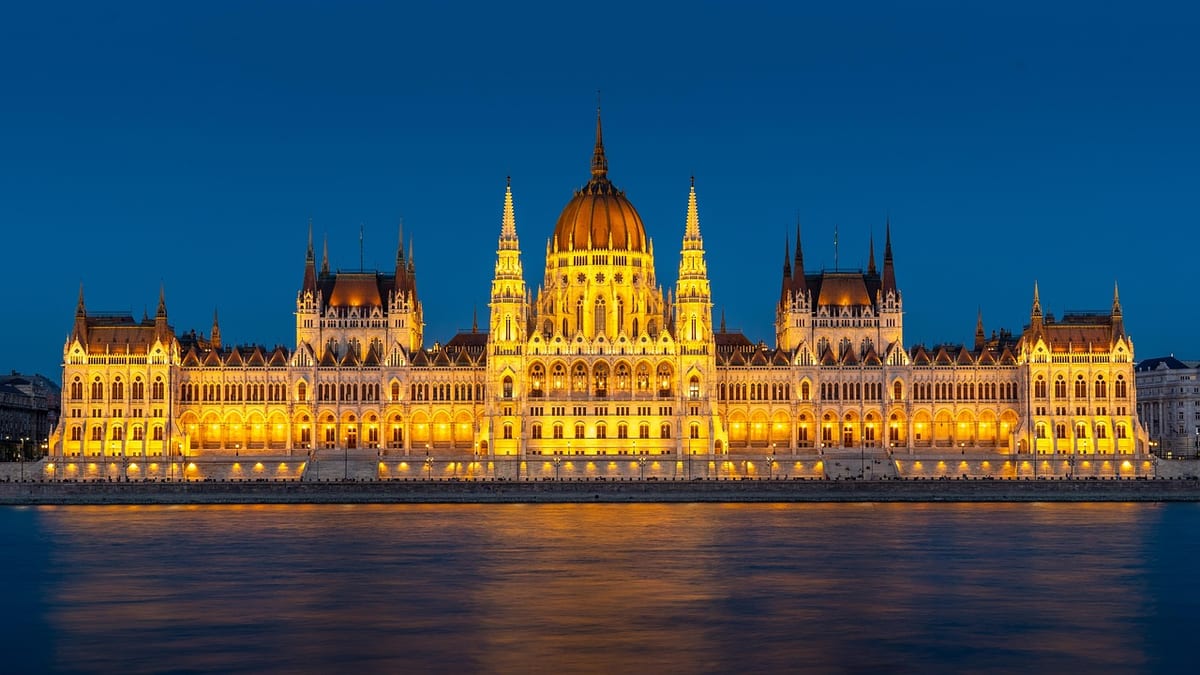
The Supreme Court's decision to hear a plea concerning Chief Election Commissioner Gyanesh Kumar's functioning, combined with a coordinated legal offensive by the INDIA bloc, a hunger strike at Jantar Mantar by Citizens for Justice and Peace, and over 2,000 citizens petitioning the Chief Justice over the Special Intensive Revision of electoral rolls, has produced a legitimacy crisis around India's electoral machinery. This column argues that the moment calls not for partisan defence or attack, but for institutional architecture that makes the Election Commission stronger than any individual, any government, and any political cycle.
India's 7% Moment Demands More Than Growth — It Demands a Narrative
Global credit agencies and multilateral bodies are revising India's growth forecasts upward even as equity markets dip and external headwinds persist. The deeper challenge is not sustaining growth but converting economic momentum into durable global confidence — a task that requires India to build reputation capital as deliberately as it builds roads and factories.

India Writes Its Own Defence Script as Putin Lands in Delhi
Vladimir Putin's visit to India, centred on Su-57 jets, S-500 air defence systems, and a defence cooperation pact reportedly extended to 2075, is being read in Western capitals as India leaning on Russia. The opposite is closer to the truth. India is running parallel courtships with France, Japan, and the United States on defence, using each relationship as leverage against the others. The AMCA programme and the IAF's preference for limited Su-57 purchases over full dependency is the clearest sign that New Delhi is setting terms, not accepting them.
The Deputation Racket: Delhi's Permanent Guests on States' Payrolls
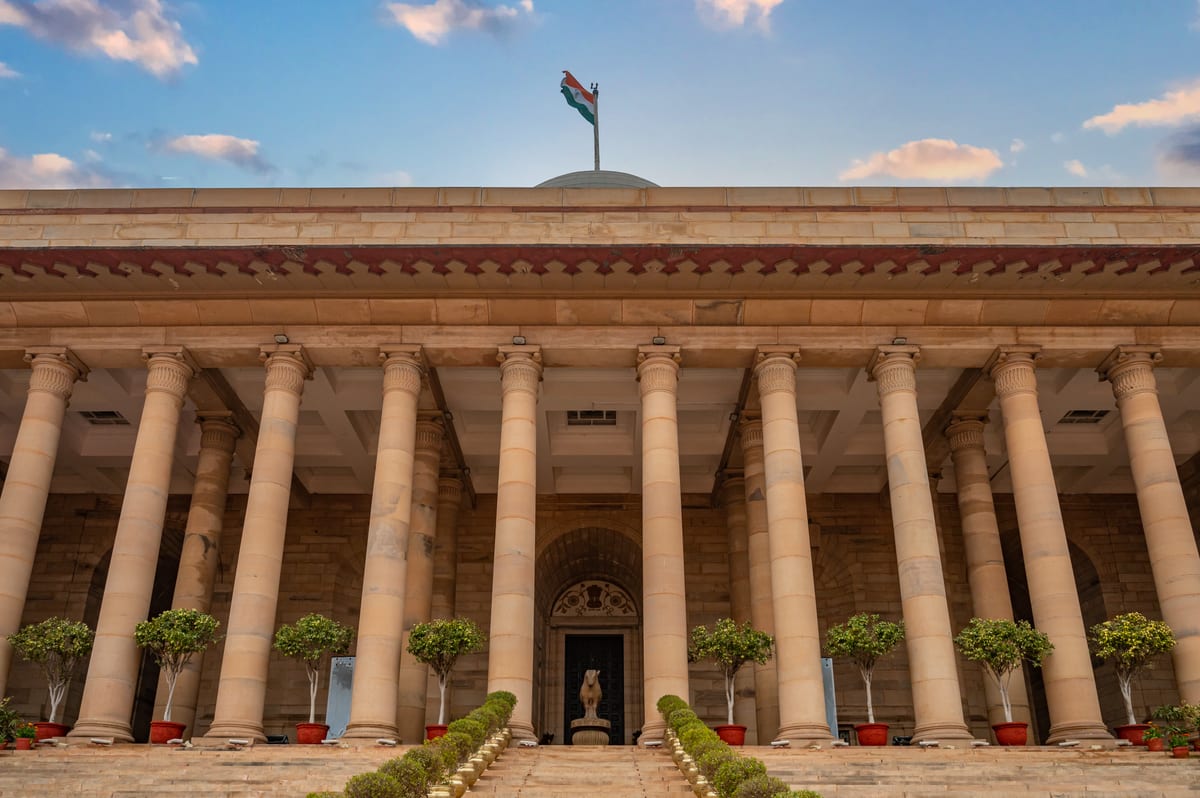
Central deputation has mutated from a temporary capacity-sharing mechanism into a permanent career escape hatch for IAS officers, with DoPT's own review mandates routinely ignored. Karnataka's documented shortage of senior IAS officers — worsened by officers embedded in Delhi assignments who never return — illustrates a structural governance failure that shortchanges both the home state and the citizens who fund these careers. This column argues for mandatory public disclosure and automatic repatriation.
Delhi Holds Officers Hostage While States Starve for Governance Capacity
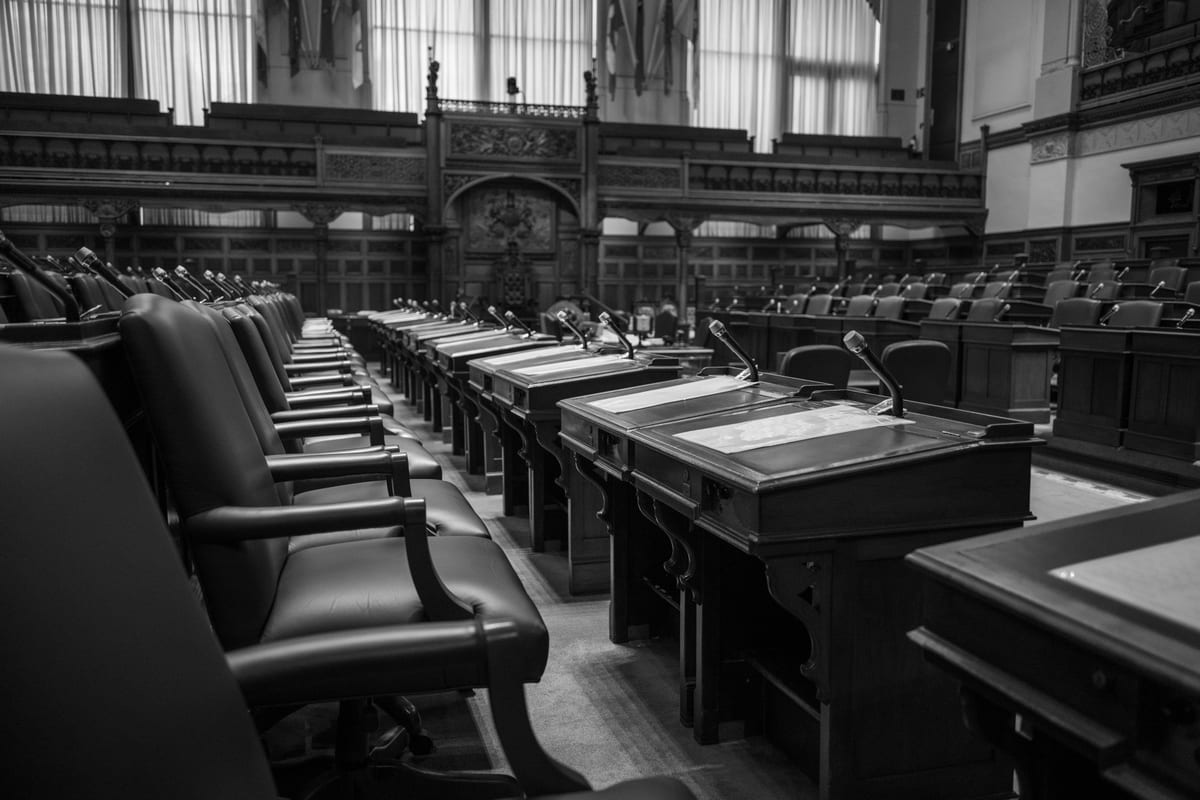
India's central deputation system, meant to channel IAS talent between states and the Union government, has degenerated into a holding pen for officers who cultivate New Delhi relationships at the expense of their cadre states. From Karnataka's 166 health inspectors on allegedly illegal deputation to Maharashtra tightening revenue officer norms, the systemic evidence of extraction is now undeniable. DoPT circulars mandating review of over-six-month deputation cases go unenforced, and without a judicially enforceable tenure cap and automatic repatriation, no administrative circular will fix the incentive structure.

India's 7.8% Growth Is Real. Now Win the Argument.
India's Q1 GDP growth of 7.8% has earned it the OECD's fastest-growing major economy tag and, according to reporting this week, its first A-rated sovereign recognition in 35 years. The number is consequential. But the BBC's credibility-questioning framing and the Chief Economic Adviser's public defence of the national accounts methodology reveal a second battle running alongside the economic one — a battle over whether India's statistical institutions can command the same confidence as the growth they are measuring. This column argues that radical transparency in data governance is not a technocratic nicety; it is the soft-power infrastructure that 7.8% must be allowed to build.

India's Cockroach Protests Forced a Reckoning That Policy Circulars Cannot
The 'cockroach' protests at Jantar Mantar, led by young Indians furious over exam leaks and institutional rot at the National Testing Agency, produced a rare outcome: a ministerial resignation in Modi's India. The episode is neither a triumph nor mere noise — it is a diagnostic, exposing a structural gap between India's developed-nation aspirations and the daily indignities its aspirational youth navigate. What replaces Dharmendra Pradhan at the Education Ministry matters far more than the fact of his departure.
Seven Years in Commerce, Zero Months in Karnataka: The Darpan Jain Question
Darpan Jain, a Karnataka-cadre IAS officer of the 2001 batch, has served continuously in the Department of Commerce since February 2019 — crossing seven years without a return to his parent cadre. The Central Staffing Scheme sets a seven-year outside-cadre ceiling. This piece examines how his tenure tests that rule, who approved the extensions, and what it costs Karnataka.
Sharif's 'Red Line' on Water Is Islamabad's White Flag
Pakistan PM Shehbaz Sharif's declaration on Independence Day that water is a 'red line' and his threat of a 'direct response' to India's suspension of the Indus Waters Treaty reads, on close analysis, as a signal of diminishing leverage rather than escalating power. Having failed militarily during Operation Sindoor and facing economic fragility, Islamabad is weaponising water optics for domestic audiences. India's opportunity lies not in managing this rhetoric but in using it as the occasion to formally restructure or exit a 1960 treaty that no longer reflects the strategic realities of the subcontinent.
India's 7.8% Growth Is Real. The Jobs It Was Supposed to Create Are Not.
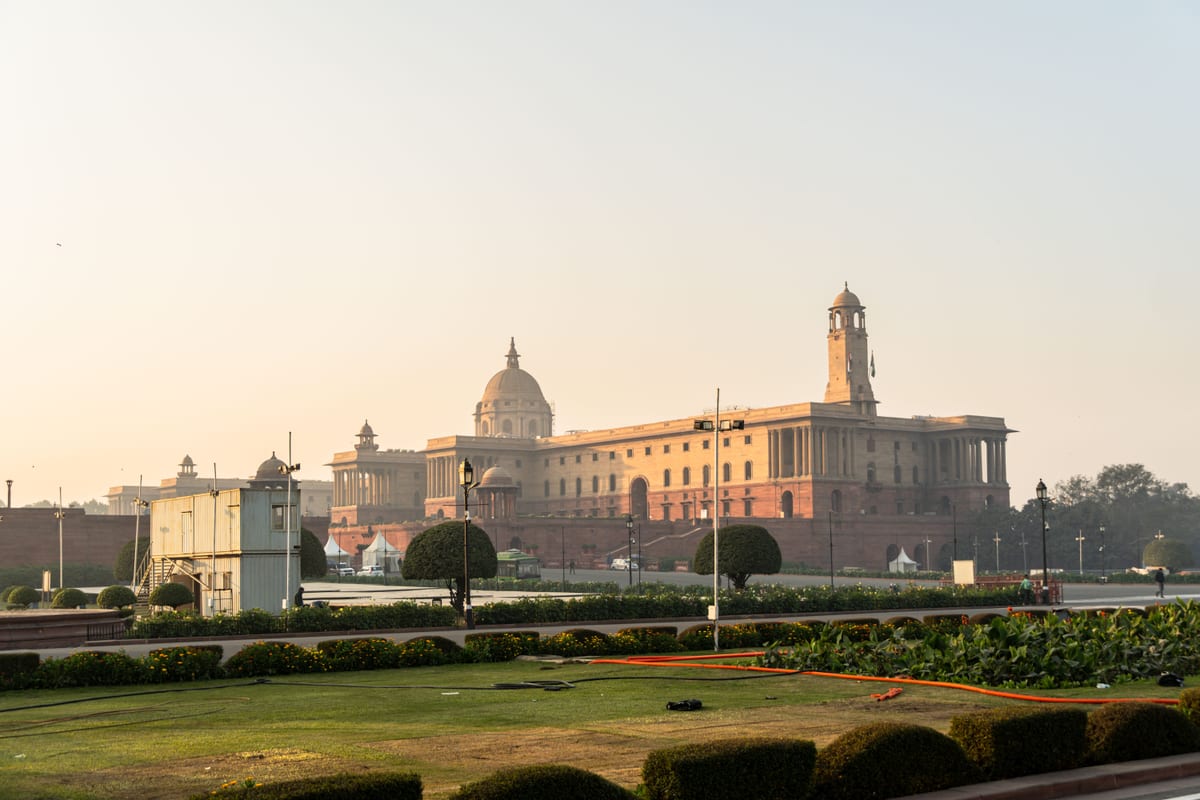
India's economy grew 7.7% in FY2025-26, with Q4 accelerating to 7.8% — numbers that dominate headlines and invite international admiration. But the Financial Times and domestic analysts are now asking the question that the appointment orders and programme reviews consistently avoid: how many jobs is each percentage point of that growth actually generating for the ten million young Indians entering the labour market every year? The answer implicates not just policy design but the permanent bureaucracy that implements it.
India Must Reclaim Bangladesh Before Beijing Completes the Architecture
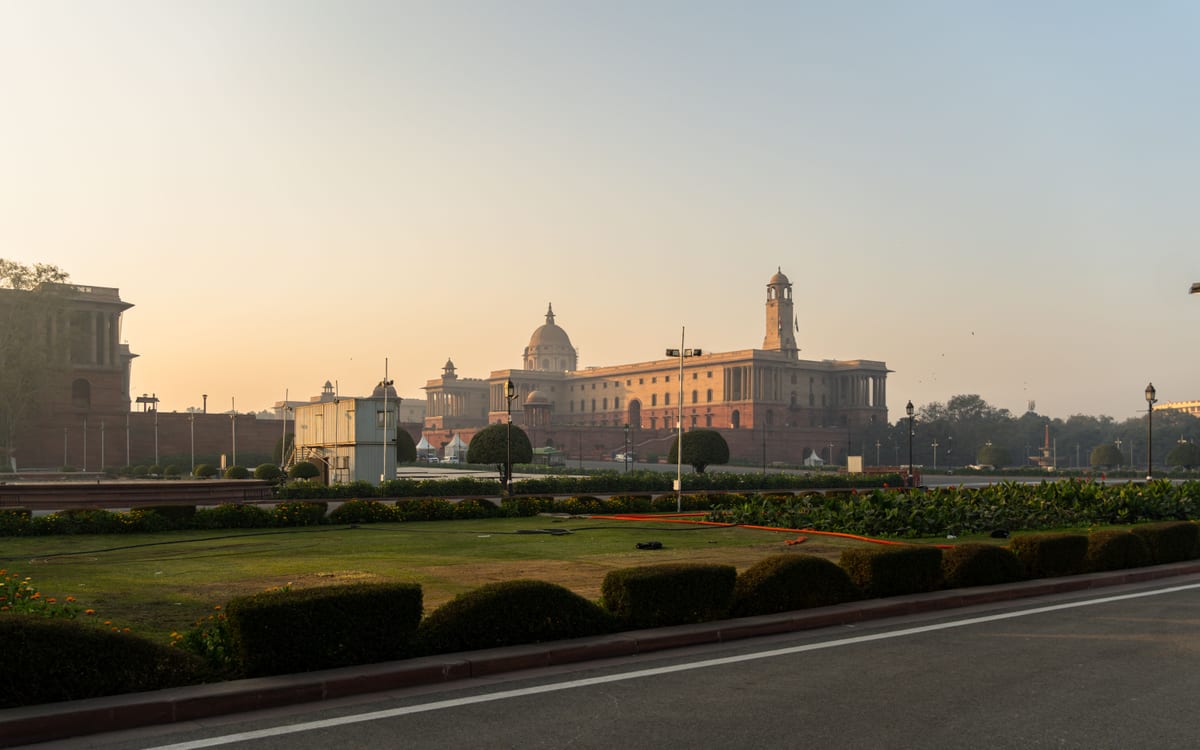
The India-Bangladesh relationship has entered a structural crisis, with Dhaka demanding clarification on New Delhi's policy following Sheikh Hasina's press conference in Delhi, her son warning Bangladesh risks becoming 'another Pakistan', and the interim government deepening ties with China. This is not a bilateral spat — it is a strategic inflection point that exposes a foundational flaw in India's Neighbourhood First doctrine: the conflation of a relationship with a person. New Delhi must urgently shift from personality-dependent diplomacy to institution-to-institution engagement before the strategic cost becomes irreversible.
India's Integrated Rocket Force Architects a New Era of Deterrence
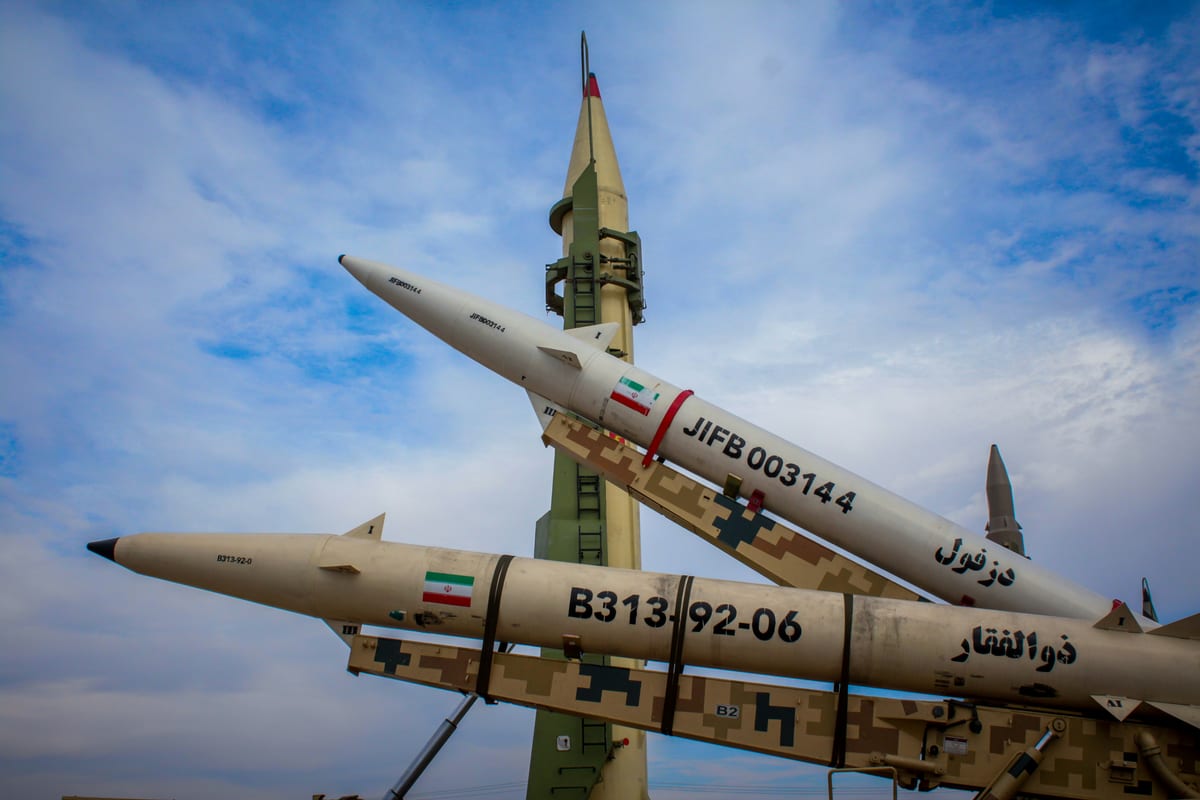
India's Cabinet clearance of a tri-service Integrated Rocket Force represents the most consequential structural military reform in a generation. This is not a procurement decision but a doctrinal revolution — India formally institutionalising escalation dominance below the nuclear threshold. The move permanently reshapes South Asian deterrence calculus and carries direct implications for the Pakistan-China axis, for India's defence export credibility, and for the strategic coherence of the Viksit Bharat project.

The RSF Press Freedom Index Is Not a Measurement. It Is an Opinion Poll.
The RSF World Press Freedom Index ranks 180 countries using a questionnaire of 88 subjective questions answered by hand-picked experts. Not a single question asks for a verifiable number. A formal logic analysis shows the inference chain is unsound. A statistical analysis shows the conversion of Likert-scale opinions into decimal-point rankings manufactures false precision. We propose the IWE Empirical Press Freedom Index: five pillars of publicly available, independently verifiable data including ITU internet penetration, CPJ journalist casualties per capita, Access Now shutdown counts, OONI censorship measurements, and platform transparency reports.


Bengal's Common Sense: After Centuries of Subjugation, the People Speak
On 9 May 2026, Suvendu Adhikari took the oath as West Bengal's first-ever BJP Chief Minister, ending 49 years of Left and TMC rule. This Thomas Paine-style analysis traces Bengal's arc from the intellectual glory of the Pala Empire through centuries of subjugation — Islamic conquest, British colonial extraction, communist industrial decay, and TMC-era stagnation — to the democratic renewal delivered by a record 92.93% voter turnout and a 207-seat mandate.

The Born Anxiety of Pakistan: From Partition to Operation Sindoor

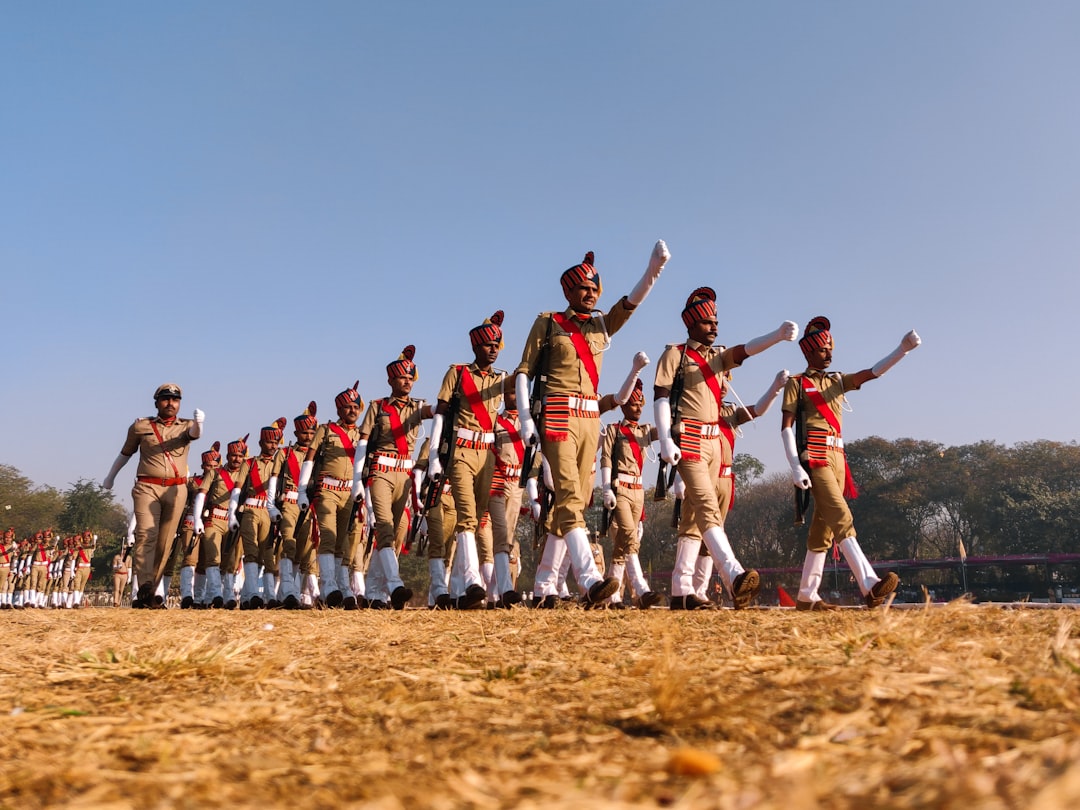
Operation Sindoor and the Viksit Bharat Arc: When Self-Reliance Meets Jointness
Operation Sindoor demonstrated the maturation of India's defence modernisation drive — from indigenous weapons systems to seamless tri-services coordination. The operation validates a decade of reforms that tripled defence budgets and scaled indigenous production, marking a critical milestone in India's journey to developed-nation status by 2047.
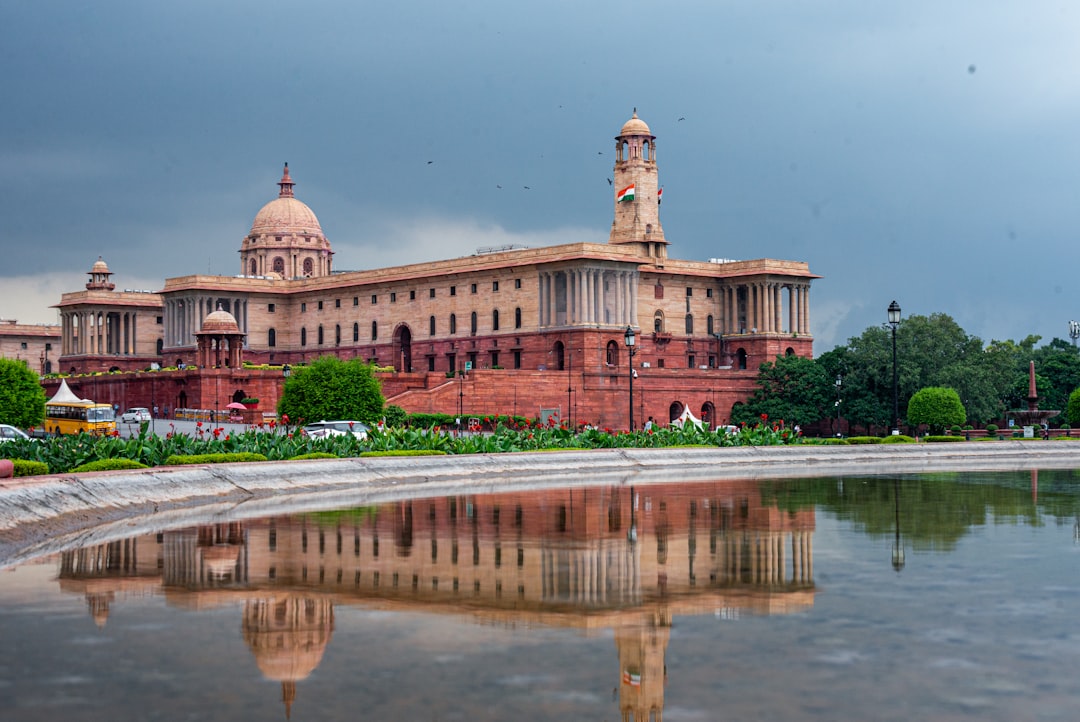
What Raja Mohan's AI Optimism Misses: The Diplomatic Cost of Hallucinated Authority
A substantive rebuttal to C. Raja Mohan's argument that AI is a 'force multiplier' for diplomacy, examining why India's tradition of patient, culturally sophisticated statecraft represents precisely the kind of institutional knowledge that large language models cannot replicate or replace.


Tata — The Bharat Story: How One House Built the India We Know
The Tata Group's journey from 1868 to today mirrors India's industrial rise — from building foundational infrastructure under colonial rule to leading the digital transformation. With $180 billion in revenue across 150 countries, the House of Tata demonstrates how civilisational thinking creates lasting institutions.


The Arthashastra Frame: India's 2026 Trade Reset Through Kautilyan Eyes
India's 2026 trade negotiations with the US, EU, and selective SCO engagement reflect Kautilyan mandala theory and the four instruments of statecraft. The classical strategic canon provides a framework for understanding India's simultaneous pursuit of multiple economic partnerships as civilisational statecraft.

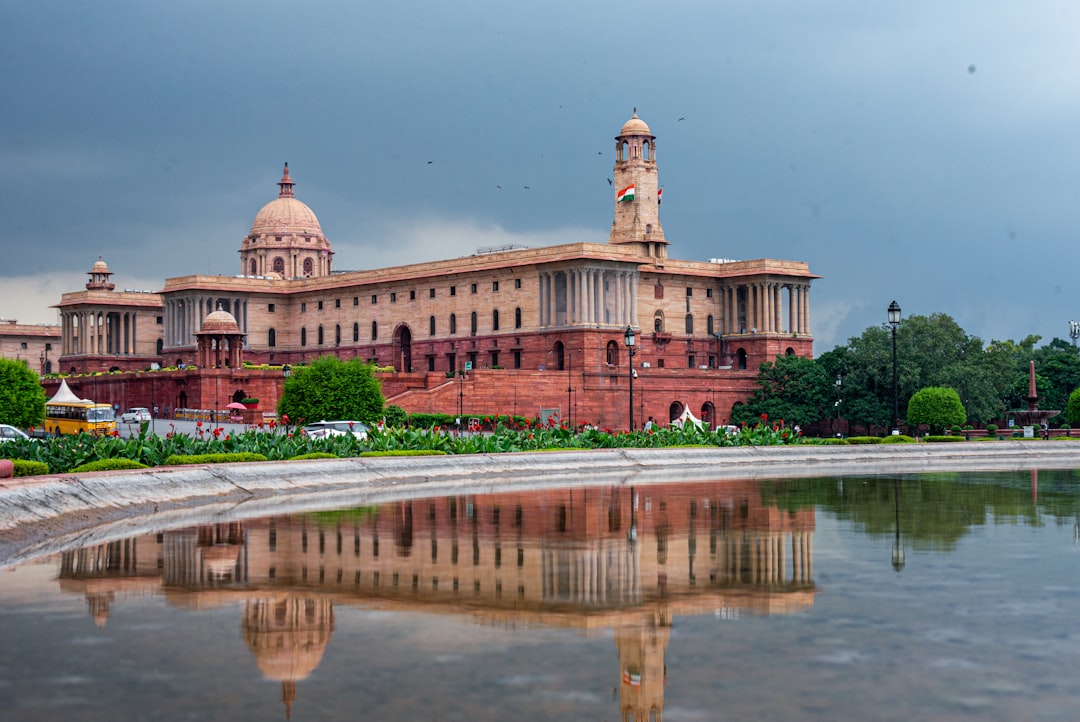
The Rupee at 90: Strategic Depreciation, Not Economic Failure
The rupee's slide to 90+ against the dollar reflects deliberate policy accommodation rather than economic weakness, supporting export competitiveness as India navigates ongoing US trade tensions despite the February 2026 tariff reduction deal.
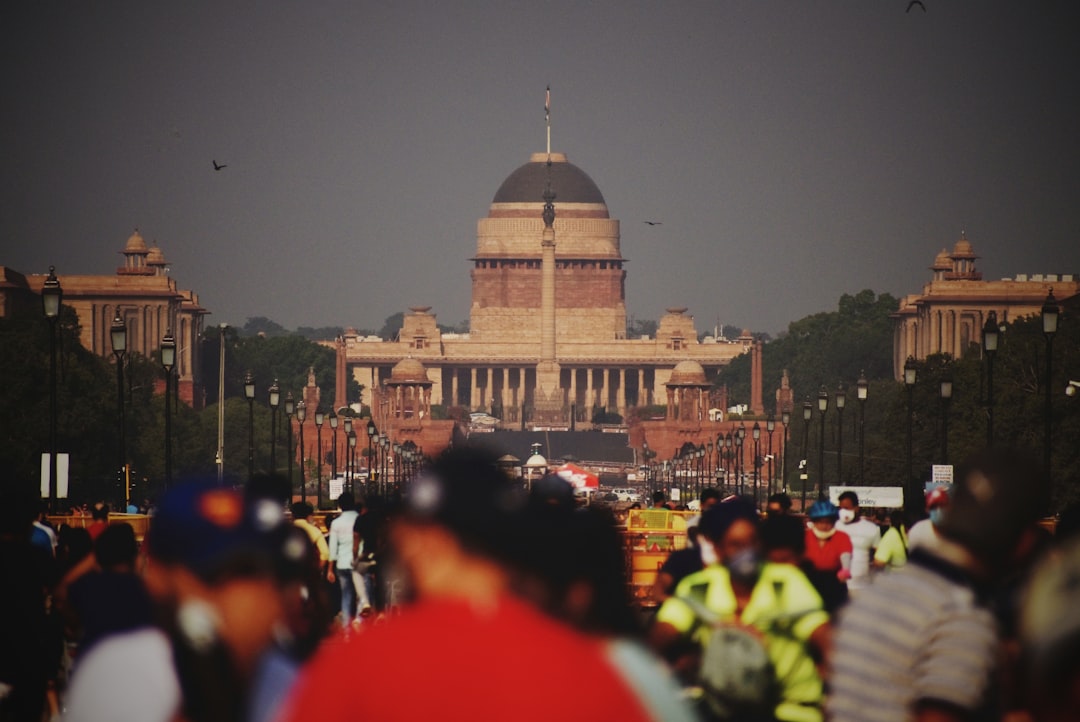
Why the World Now Reads from Delhi
The world's most populous democracy offers an indispensable perspective on power, trade, technology and climate. Reading global affairs without India's frame means reading the world wrong.
The Viksit Bharat Briefing Begins: Twenty-Two Years to Deliver
This inaugural Viksit Bharat Briefing establishes the analytical frame for daily coverage of India's path to developed-nation status by 2047. Every policy choice, bilateral partnership, and institutional decision will be measured against a single criterion: does it advance the arc or consume years India cannot reclaim?