IndiaIndian Lens
Chennai Finfluencer's Suicide Sharpens SEBI's Creator Economy Reckoning
V Harish built a million-follower finance channel; his father's complaint alleges a rival's harassment campaign.
 IndiaWorldEye
V Harish built a million-follower finance channel; his father's complaint alleges a rival's harassment campaign.
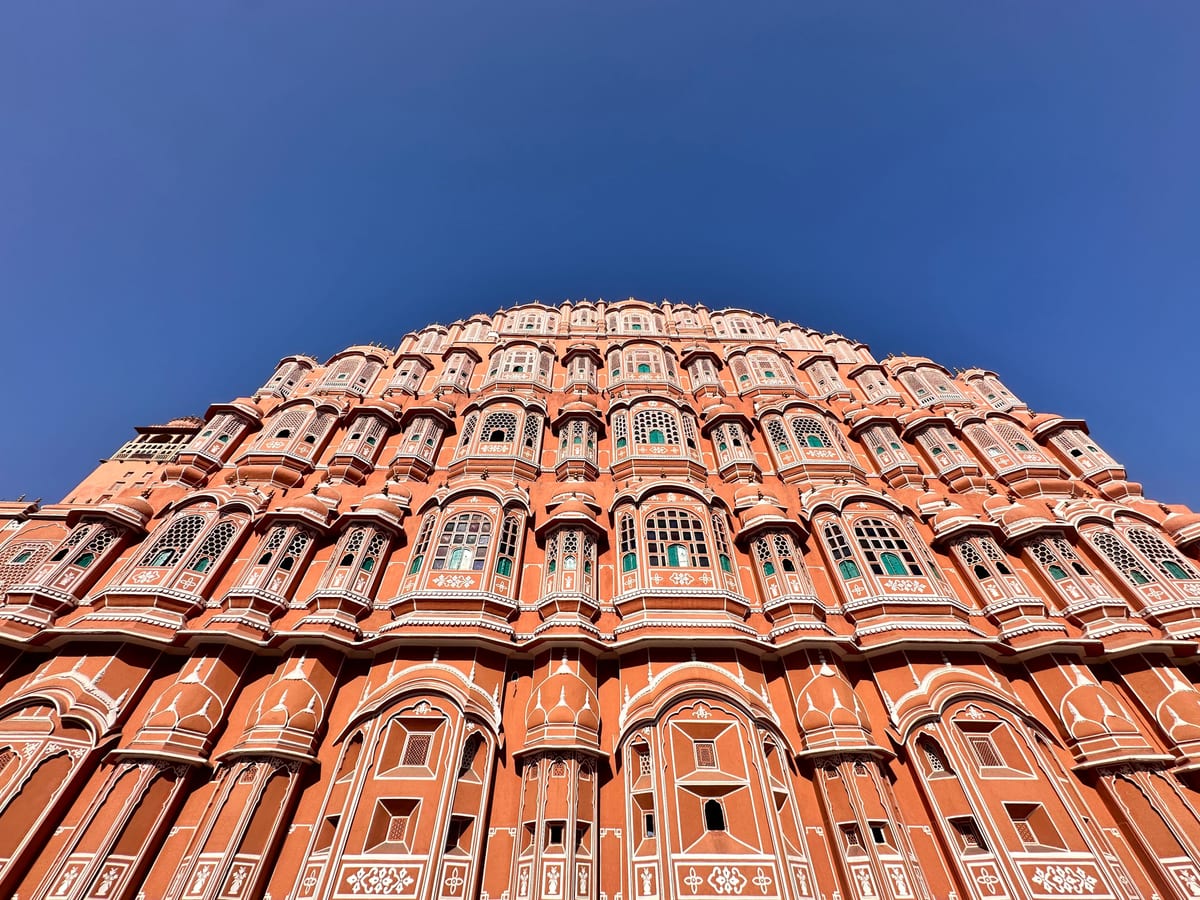
Hawa Mahal, the Palace of Winds, rises from the bustling streets of Jaipur like a sandstone fever dream — 953 latticed windows catching the breeze, five centuries of Rajput imagination made permanent in pink stone. Built in 1799 by Maharaja Sawai Pratap Singh, it was designed so royal women could observe street life without being seen, a detail that speaks volumes about the social architecture of its era. Today it stands not as a relic but as a living symbol of India's civilisational genius — the fusion of beauty, function, and cultural code in a single breathtaking structure.
Ambassador Sergio Gor's $500 billion target gives India a concrete trade benchmark. The five sectors he names align with India's production-linked incentive and semiconductor policies, making the target a measure of industrial alignment rather than tariff arithmetic.
Amit Shah's promise to hunt down killers of Punjab anti-drug activists adds a central reporting channel to a state-level crisis. The CBI's possible involvement and the Aam Aadmi Party's counter-pledge show federal and state machinery competing for the anti-drug mandate.
Mumbai police traced three suspected shooters to Kota after a firing outside Tiger Shroff's residence. NDTV reports the men were paid ₹50,000 as an advance and sent an 'Operation Completed' message to handlers. An audio clip claiming Lawrence Bishnoi gang responsibility surfaced separately.

Marco Rubio called India a refining superpower and said Washington will discuss processing more Venezuelan crude with Reliance. The US secretary of state is on a three-day visit and expects a trade deal shortly.
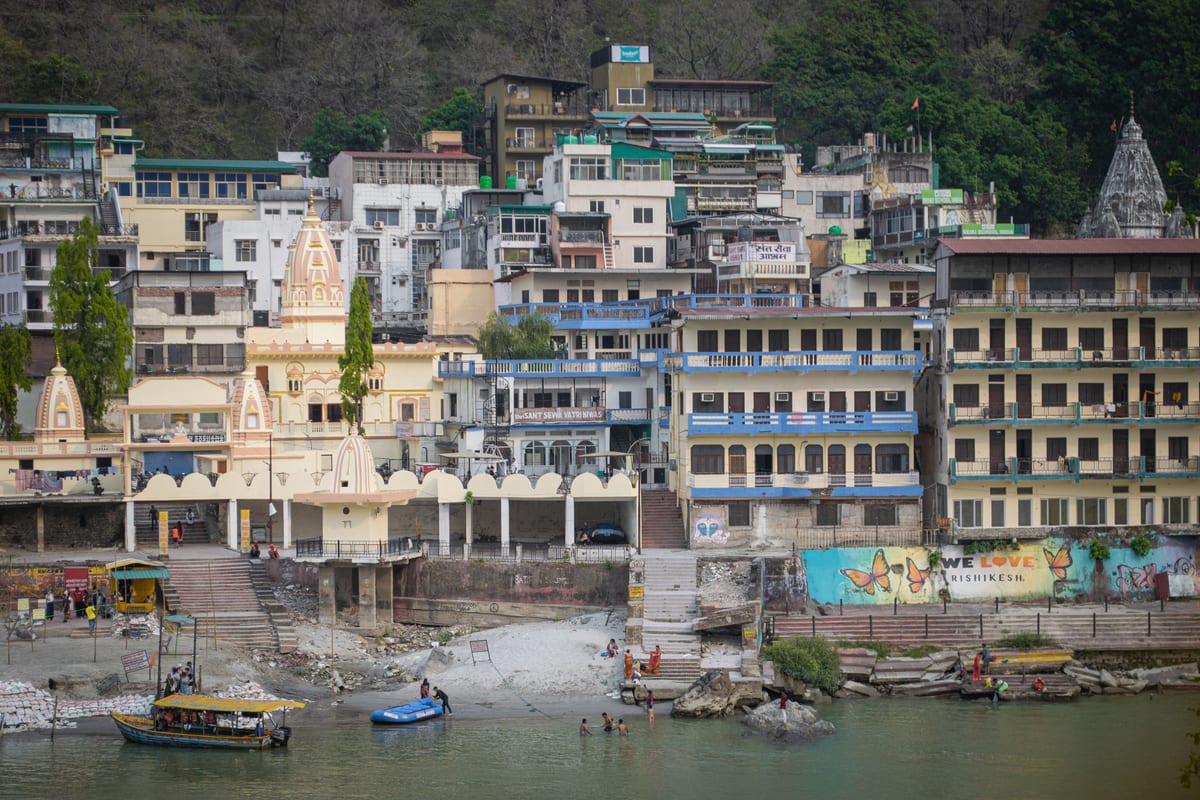
Rishikesh, nestled where the Himalayas yield to the plains and the sacred Ganga rushes through, is far more than a traveller's destination — it is a living expression of India's unbroken spiritual civilisation. From its ashrams and suspension bridges to its role as the gateway to the Char Dham pilgrimage, the town holds centuries of devotion, philosophy, and practice in every chant and every sunrise. This article explores what makes Rishikesh one of India's most profound and accessible heritage experiences.
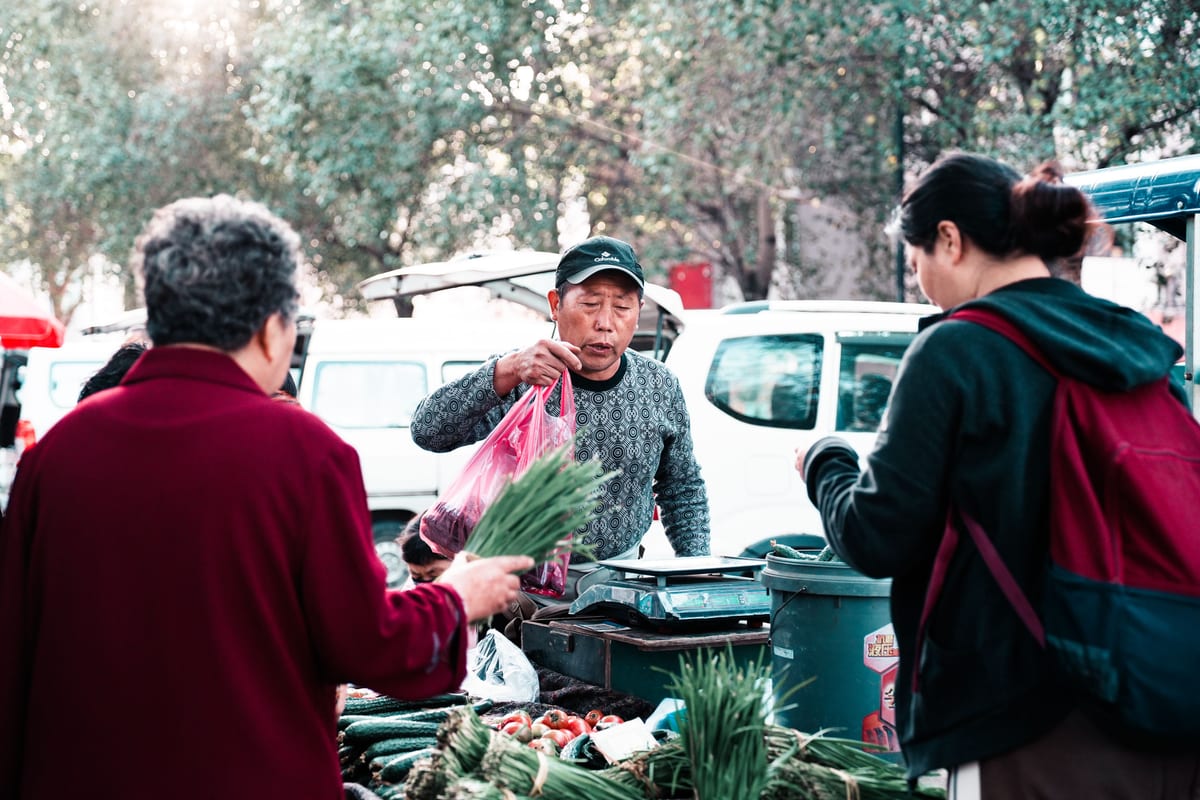
The India-New Zealand free trade agreement entered into force on 20 October 2026, with New Zealand kiwifruit exporter Zespri welcoming the move. The deal lowers duties on horticulture and offers reciprocal access for Indian fruits, while India's dairy and apple lobbies watch closely.
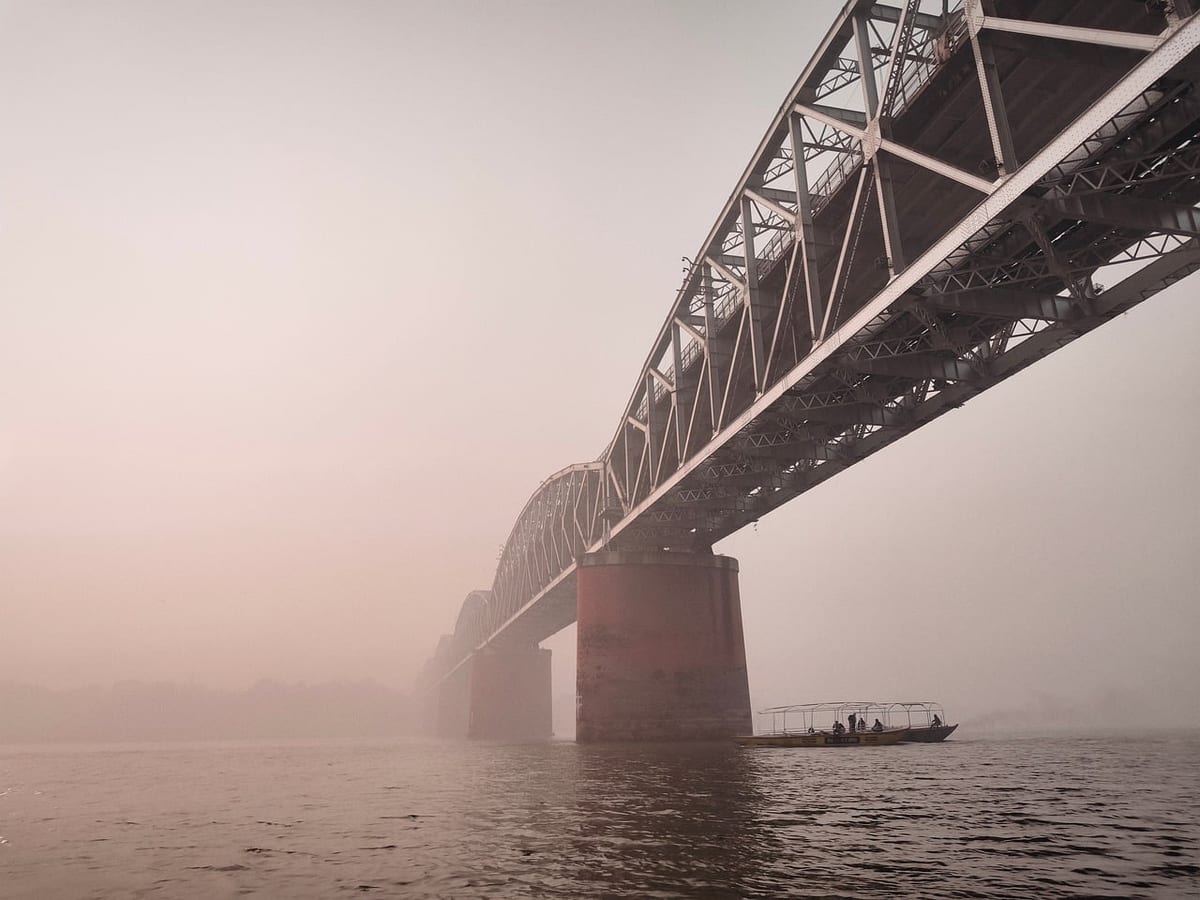
Dussehra-Vijayadashami 2026 arrives with a digital twist: curated greetings for family, friends, colleagues and WhatsApp statuses are now standard fare. The festival's twin narratives, Lord Rama's victory over Ravana and Goddess Durga's triumph over Mahishasura, remain intact even as the medium shifts from community squares to messaging threads.
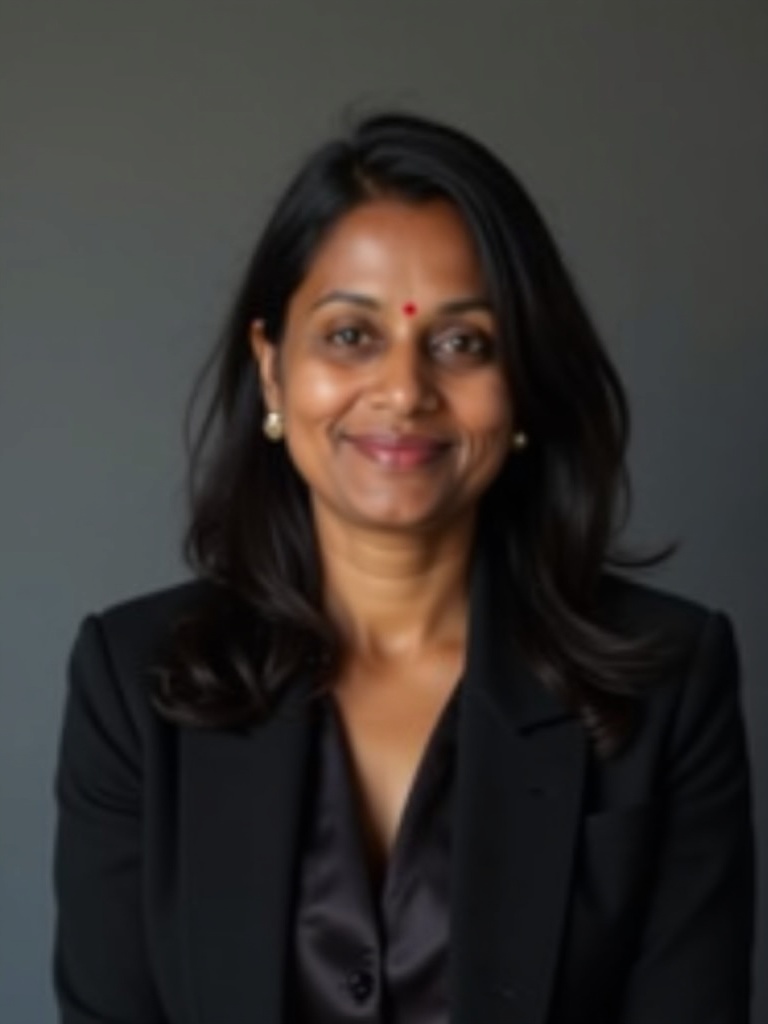
Editor-in-Chief
Aditi Ramachandran is the Editor-in-Chief of IndiaWorldEye. She leads the masthead's daily coverage of global affairs from an Indian vantage — reading the world's moving parts and what they mean for Bharat's rise. Her editorial line is unapologetically Indian: clear-eyed about the country's interests, confident about its civilisational trajectory, and insistent that India's voice belong at the centre of every global conversation it shapes.