
India
Domestic policy, governance, politics, elections, and bureaucracy.
Kota Arrests Follow Firing at Tiger Shroff's Mumbai Home
Three men held after crossing into Gujarat, with police citing a ₹50,000 advance and handler ties.

Rubio's Visit Crowns India a 'Refining Superpower' as Venezuelan Crude Talks Begin
Marco Rubio called India a refining superpower and said Washington will discuss processing more Venezuelan crude with Reliance. The US secretary of state is on a three-day visit and expects a trade deal shortly.
India-New Zealand FTA Takes Effect: Zespri Cheers, Himalayan Growers Watch
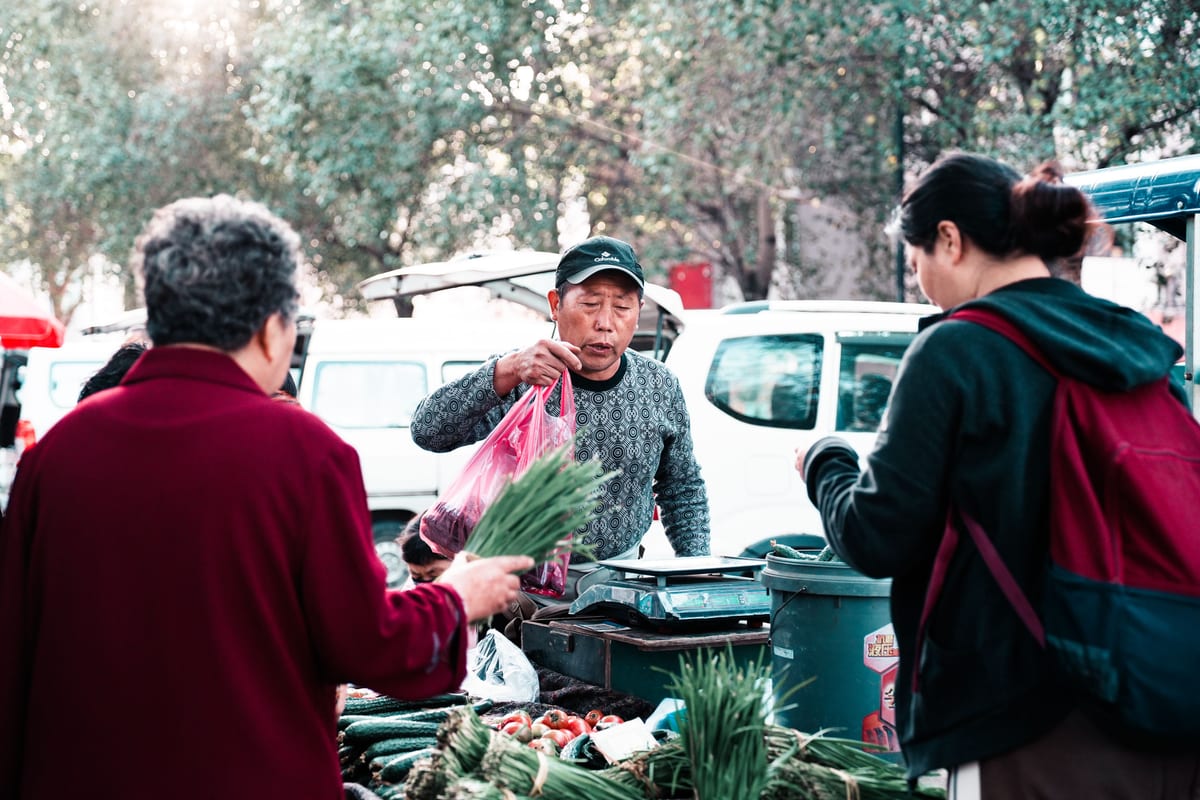
The India-New Zealand free trade agreement entered into force on 20 October 2026, with New Zealand kiwifruit exporter Zespri welcoming the move. The deal lowers duties on horticulture and offers reciprocal access for Indian fruits, while India's dairy and apple lobbies watch closely.
Dussehra 2026 Greetings Move Online, Yet the Civilisational Core Holds
Dussehra-Vijayadashami 2026 arrives with a digital twist: curated greetings for family, friends, colleagues and WhatsApp statuses are now standard fare. The festival's twin narratives, Lord Rama's victory over Ravana and Goddess Durga's triumph over Mahishasura, remain intact even as the medium shifts from community squares to messaging threads.

Jio Platforms IPO: 261 Million 2G Users, Broadband Gap and AI Give Runway, Say Brokerages
Jio Platforms opens its IPO on October 21, seeking Rs 38,000 crore. Brokerages see growth in upgrading 261 million 2G users, expanding home broadband, and selling enterprise cloud and AI services, with overseas technology sales as a fourth lever.
Dussehra 2026 School Holidays Split Across October 20 and 21
NDTV Education reports schools across India observe Dussehra on October 20, 2026, while West Bengal observes Durga Puja Dashami on October 21. The variation reflects India's decentralised school calendar, where states set festival holidays independently.
Yogi Adityanath Accepts Akhilesh Yadav's Ayodhya Dare, Invites Direct Contest
Uttar Pradesh Chief Minister Yogi Adityanath on 11 October accepted Samajwadi Party president Akhilesh Yadav's dare to contest from Ayodhya, inviting him to file nomination there. The exchange sharpens the 2027 assembly election into a direct leadership contest with national stakes. Adityanath coupled the challenge with an indictment of past SP governance in the temple town.

India Alerts Lab Network, Audits Antibiotics After Russia Plague Scare
India has alerted its national diagnostic laboratory network and state reference laboratories, and reviewed tetracycline stocks, after a laboratory worker's death in Russia's Irkutsk region raised suspected plague concerns. Officials call the domestic transmission risk negligible and point to surveillance protocols in place since the 1994 Surat outbreak.
Riyadh Airport Attack Kills 12, Injures Over 300; Trump Weighs Joining Strikes
A Houthi attack on Riyadh's main airport killed at least 12 and wounded more than 300 on Saturday, the third such strike this week. The attack forced a temporary shutdown of King Khalid International Airport and prompted US President Donald Trump to say Washington may join Saudi strikes on the Yemeni group. The escalation threatens Indian expatriates in the Gulf and the security of energy flows that underpin India's economy.
Rahul Gandhi, Vijay Meet in Chennai; Congress Reads Tamil Nadu's New Alliance Map
Congress leader Rahul Gandhi met Tamil Nadu Chief Minister C. Joseph Vijay in Chennai on Saturday for an hour of political talks, then shared coffee and tiramisu at a café. The meeting precedes Gandhi's youth outreach event, Chhatron Ki Goonj, and surfaces questions about Congress's alliance calculus in the state ahead of the 2026 assembly election.
Imran Khan Detained at Mumbai Protest Against Election Commissioner; Film Voices Condemn Police Action
Actor Imran Khan was detained by Mumbai Police on October 10 during a protest at August Kranti Maidan against Chief Election Commissioner Gyanesh Kumar. Film personalities including Prakash Raj and Anurag Kashyap criticised the detentions, while demonstrators demanded an inquiry into the Special Intensive Revision of electoral rolls.
BJP Dubs CJP Protest a Flop Show After Delhi Police Detentions
Delhi Police detained hundreds of youths and politicians who attempted to assemble at Jantar Mantar on October 10. BJP spokesperson Sambit Patra labeled the demonstration a flop show and declared a victory of democracy over mobocracy. The episode reopens the constitutional debate over preventive detention and the right to peaceful assembly.

Ajinkya Shinde Leads CJP Protest After Dipke's Delhi Detention
Ajinkya Shinde, Cockroach Janta Party organisation in-charge, has taken charge of the Jantar Mantar agitation after founder Abhijeet Dipke's detention, instructing supporters to stage protests wherever police stop them. The shift from fixed-site demonstration to distributed civic action tests Delhi Police's handling of assembly rights while the party demands Chief Election Commissioner Gyanesh Kumar's resignation over alleged electoral roll irregularities.
170 Trains Cancelled, Nine Rerouted: Delhi Protest Disrupts Rail Operations
Indian Railways cancelled 170 passenger trains and short-originated or short-terminated nine on October 10 ahead of a Cockroach Janta Party protest. The disruption stranded daily commuters and exposed structural gaps in rail contingency planning during protest activity.
Delhi Police Detain YouTuber Dhruv Rathee, 150 Protesters Ahead of Jantar Mantar Rally
Delhi Police detained YouTuber Dhruv Rathee and about 150 protesters on October 10 ahead of a planned demonstration at Jantar Mantar. The Cockroach Janta Party and INDIA bloc are demanding Chief Election Commissioner Gyanesh Kumar's resignation over alleged electoral roll irregularities. Over 20,000 personnel were deployed and 45 metro stations shut.
Delhi Police Deny Permission for CJP Protest as Metro, Train Restrictions Take Hold
The Delhi Police has refused permission for the Cockroach Janta Party's demand that Chief Election Commissioner Gyanesh Kumar resign over alleged electoral roll irregularities. The denial comes with city-wide restrictions on Metro stations, trains, liquor shops, and mobile internet near Jantar Mantar. The disruption is a procedural response to a democratic contest.
Delhi Metro Shuts Entry at 57 Stations; Supreme Court Bars Full Ban
Delhi Metro closed entry and exit gates at 57 stations from 9 PM on 9 October ahead of a CJP protest against Chief Election Commissioner Gyanesh Kumar. The Supreme Court has said there must be no complete ban on Metro services. The restrictions, along with train cancellations and liquor shop closures, raise questions about the balance between security and urban mobility.
Vembu, Pradhan Call Indian Tech Talent Back as US Freezes PERM at Eight Firms
The US Department of Labor suspended eight technology companies, including TCS, Infosys, Wipro and HCLTech, from the PERM green-card labour certification process. Zoho co-founder Sridhar Vembu called on Indian tech professionals in the US to return, and former education minister Dharmendra Pradhan endorsed the appeal.
Navi Pillay's Nobel Prize Crowns a Tamil Lineage Forged in Indenture
The Norwegian Nobel Committee awarded the 2026 Peace Prize to Navanethem 'Navi' Pillay, a Durban-born jurist of Tamil descent whose grandparents left India as indentured labourers in the 1890s. Her career spans the Rwanda tribunal, the ICC, and the UN human rights office. The award is a diaspora milestone but does not shift New Delhi's independent West Asia policy.
AIADMK Edges TVK by Five Votes in Dharapuram; Bypoll Exposes Tamil Nadu's Fractured Opposition
Counting in six bypoll seats opened Friday with AIADMK candidate Banumathi leading TVK's Sathyabama by five votes in Dharapuram, while TVK led in Madurantakam by 960 votes. The narrow margin signals a real contest between the ruling TVK and principal opposition AIADMK in Tamil Nadu's post-2026 political alignment.
Pargat Singh's 1984 'Mistake' Admission Resets Punjab Congress Discourse
Pargat Singh's first major statement as Punjab Congress chief frames the 1984 anti-Sikh riots as a mistake and calls for issue-based politics. The remark signals a shift toward accountability and governance, though institutional follow-through remains the real measure.
Nana Patekar’s Political Cinema Mapped India’s Anger Before It Had a Hashtag
Nana Patekar's death in Goa on 8 October 2026 closes a career that made political fury a mainstream Hindi film grammar. His roles in Krantiveer, Raajneeti and Apaharan tracked corruption, caste and power across decades of Indian cinema.
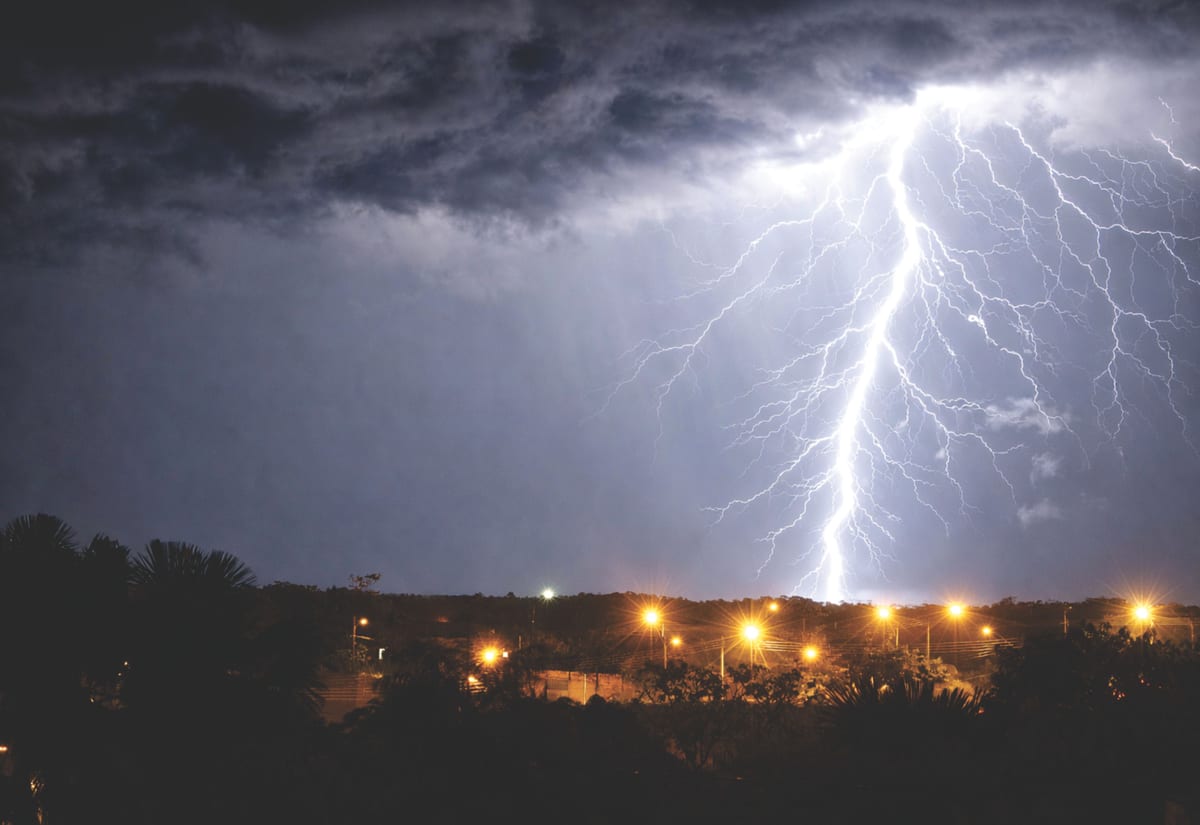
IndiGo Flight Hit by Lightning at 17,000 Feet; Nose Damaged, 110 Safe
An IndiGo flight from Patna to Lucknow was struck by lightning at 17,000 feet on October 7, damaging the aircraft's nose. All 110 people on board landed safely. The incident raises routine questions about lightning protection, regulatory oversight, and repair timelines for India's largest domestic carrier.

Flydubai Cockpit Attack: Saudi Safety Probe Focuses on Gulf Carrier Risks
Saudi Arabia has opened an air accident investigation into a September 30 axe attack on a flydubai cockpit, even though the UAE has already opened a criminal probe. The safety inquiry will examine flight FZ1073 under international rules, with Israel offering to take part but not yet invited. Indian passengers use the carrier heavily on India–UAE routes, making cockpit security a direct concern.