
Economy & Business
Markets, trade, startups, and industry.

RBI Absorbs ₹3.46 Lakh Crore in a Single Day as Fed Minutes Release
The Federal Reserve published its September policy minutes as Indian money markets showed heavy absorption of surplus liquidity.


RBI Elevates Supervision Veteran Sudhakar Malli to Executive Director
The Reserve Bank of India has appointed Sudhakar Malli as Executive Director in charge of Supervisory Assessment within the Department of Supervision. Malli brings more than two and a half decades of supervisory experience across banks, non-banking financial companies and co-operative banks, plus overseas exposure. The elevation concentrates deep institutional knowledge at a point where Indian financial regulation is contending with a more complex non-bank and co-operative banking landscape.

India's 300 GW Non-Fossil Milestone Marks the End of the Easy Phase
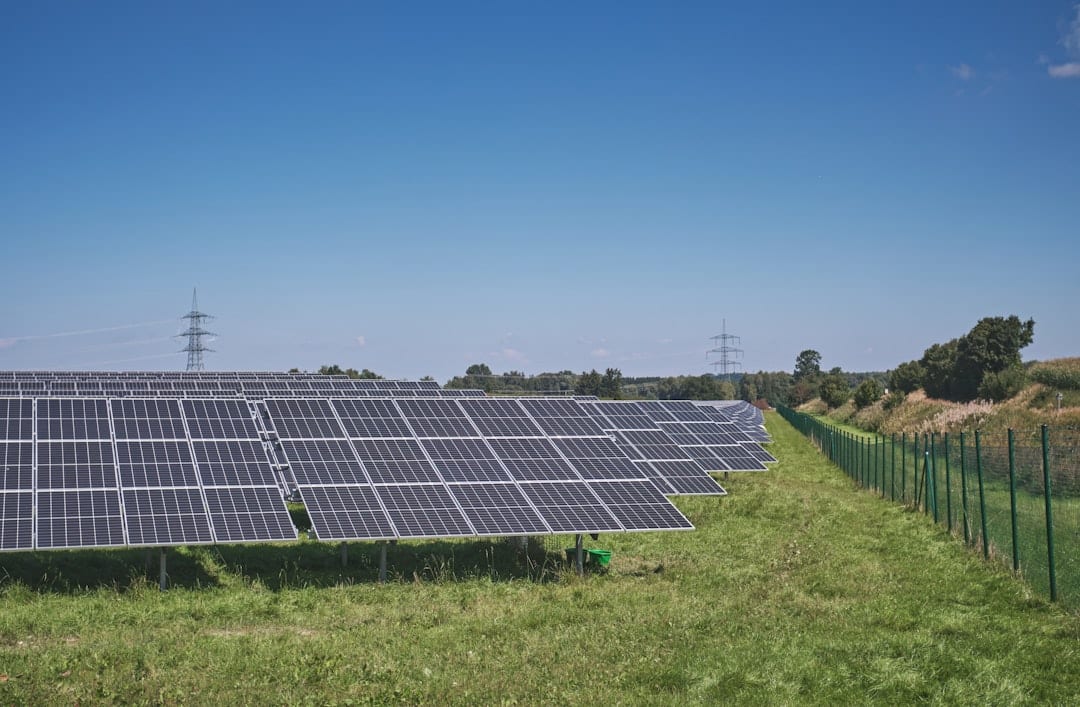
India's installed non-fossil power capacity crossed 300 GW as of 31 July 2026, with solar at 164.59 GW leading the surge. The country now generates more than half its electricity capacity from non-fossil sources, five years ahead of its Paris Agreement timeline. But energy analysts warn the next phase — transmission, storage, and grid reliability — is structurally more difficult than the capacity addition that got India here.


Indian Pharma's Tariff Window Is Closing — The Smart Money Already Knows It
US President Donald Trump's July 2026 tariff announcement targeting imported generic drugs sent the Nifty Pharma index down 1.31% and exposed a fault line between Indian companies diversifying into specialty segments and those still anchored to high-volume generics. The two-year grace period before duties reach 100% gives Indian pharma a transition window, but building US-based manufacturing capacity remains cost-prohibitive for thin-margin producers. The more consequential shift is strategic: CXOs are pivoting toward specialty and biosimilars, and India's position in ongoing trade negotiations may determine whether this pivot succeeds on its own terms or under duress.

India's Pilots Want a Real Regulator — Not a Ministry Subdivision
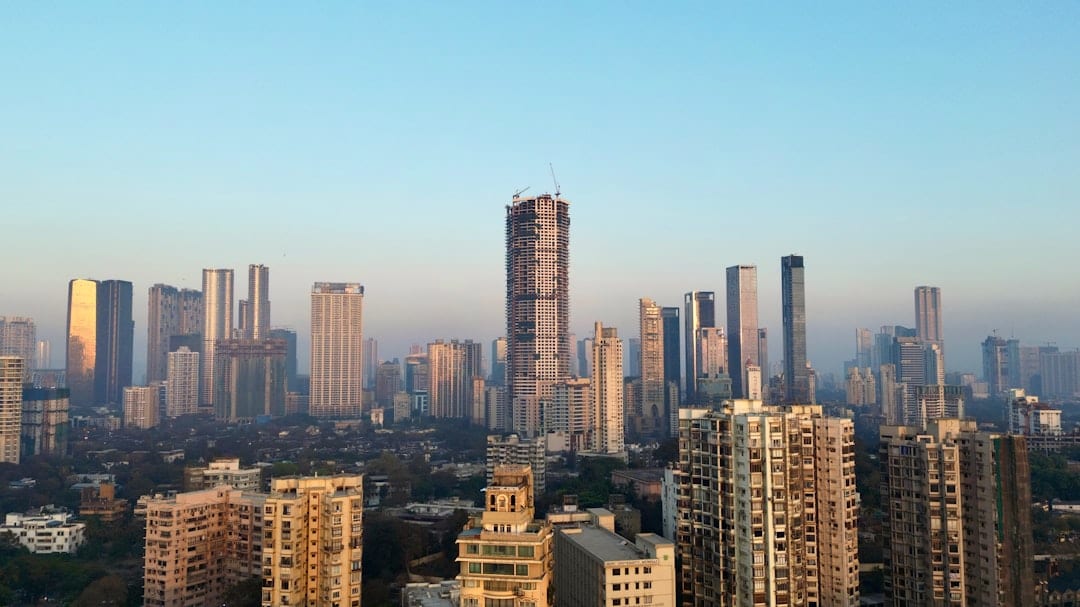
The Federation of Indian Pilots has written to Prime Minister Narendra Modi demanding that India replace the DGCA with an autonomous Civil Aviation Authority modelled on international best practices. The petition revives a legislative proposal that lapsed in 2013-2014 and argues that India — the world's third-largest domestic aviation market — cannot afford a regulator that remains subordinate to the ministry it is supposed to oversee. The structural conflict of interest has drawn adverse ICAO findings and risks constraining Indian carriers' international expansion.


RBI Moves to Close the Basel Gap on Bank Leverage
The Reserve Bank of India has released draft directions to implement the Basel Committee's 2017 Leverage Ratio Standard, inviting public comments until August 28, 2026. The amendment targets Chapter VII of the Capital Adequacy Directions 2025 and arrives alongside a separate overhaul of the Credit Valuation Adjustment framework. Together, the two consultations mark the most substantive Basel III catch-up exercise in India's recent regulatory calendar — and one with real consequences for how much credit Indian banks can extend.


India's Gold Bond Exits Signal a Policy Paradox in Motion
The Reserve Bank of India has announced the premature redemption price for Sovereign Gold Bond 2020-21 Series XI, due on August 7, 2026. The announcement, routine in administrative terms, arrives at a moment when gold prices remain elevated globally, making these exits unusually lucrative for retail investors. The deeper question is whether strong redemption returns reinforce trust in sovereign financial instruments — or simply hand investors capital they promptly return to physical gold.


Samudra Manthan: India Drills Into Its Deepwater Energy Future
The Union Cabinet has approved the ₹84,000 crore Samudra Manthan scheme for deepwater and ultra-deepwater hydrocarbon exploration across India's offshore basins, targeting a jump in annual domestic production from around 62 million metric tonnes of oil equivalent to 80 MMTOE. With India importing roughly 90% of its crude oil needs and domestic production declining, the scheme represents the most ambitious upstream push in a generation. Whether it delivers depends as much on institutional reform and globally competitive fiscal terms as on the geology of the Krishna-Godavari basin.

RBI's Hindi Scholarship Prize Builds the Vernacular Financial Canon India Needs
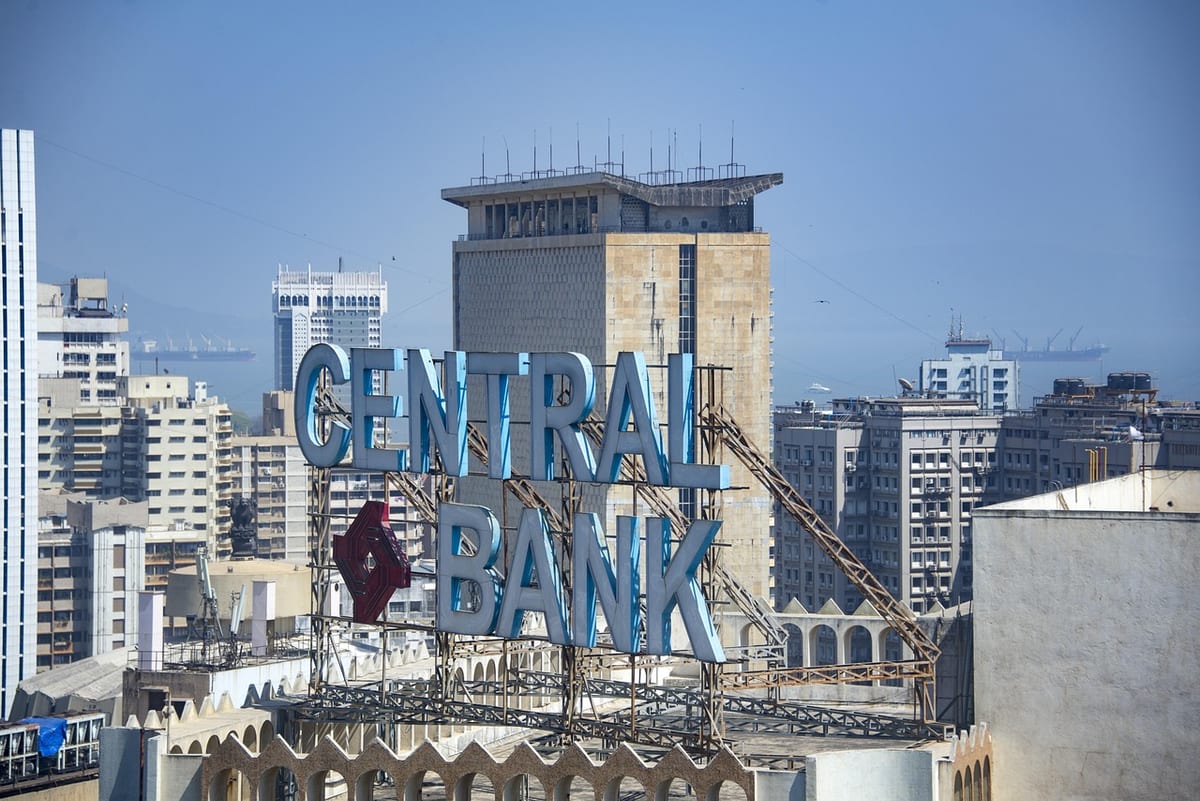
The Reserve Bank of India has reopened nominations for its scheme awarding three prizes of ₹1,25,000 each to professors at UGC-recognised universities for writing original books on economics, banking, and finance in Hindi. Submissions close August 31, 2026. The scheme, administered by RBI's Rajbhasha Department, sits at the intersection of two of India's most persistent structural gaps: the thinness of original technical literature in Hindi, and the communication distance between the country's financial regulatory architecture and the majority of its citizens.

Monisha Chakraborty at RBI's Helm: What a Career Regulator Brings to Forex and Markets
The RBI has appointed Monisha Chakraborty as Executive Director effective August 3, 2026, placing a career central banker with supervisory, foreign exchange, and ombudsman experience in charge of the Foreign Exchange Department and Financial Markets Regulation Department. The appointment carries institutional significance beyond a routine personnel change — her supervisory background arrives at a moment when the central bank is tightening its approach to currency derivatives and cross-border capital flows. For retail investors watching rupee movements and debt market access, the regulatory posture of these two departments shapes the ground beneath their portfolios.


India Extends Its Sovereign Yield Curve to 2066 With ₹32,000 Crore Auction
The Reserve Bank of India will conduct a ₹32,000 crore auction of two dated government securities on August 7, 2026 — a 6.36% bond maturing in 2031 and a 7.71% bond maturing in 2066. The 40-year issuance extends India's sovereign yield curve to its longest published tenor, deepening the market architecture that underpins corporate borrowing, infrastructure financing, and eventual foreign portfolio participation. The auction mechanics — multiple-price method, e-Kuber platform, Primary Dealer underwriting — reflect an institutional apparatus that has matured considerably over the past decade.

JioStar's 'Many Indias' Bet: Regional Depth as Commercial Moat
JioStar, the merged media entity of Reliance Industries, is deliberately pivoting from metro-centric content to regional storytelling across Bhojpuri, and other vernacular markets. With a 14.5% year-on-year profit increase in the June quarter and shows like Chiraiya ranking in the top ten most-watched OTT properties of 2026, the company is proving that India's cultural diversity is a balance-sheet asset, not a cost centre. The strategy carries implications far beyond one platform — it represents a structural bet on domestic digital sovereignty.

The Vanishing Half: How the Services Side of India-Russia's US$30 Billion Promise Was Never Built
India, the world's eighth-largest services exporter, wrote services into its 2014 economic mandate with Russia and the EAEU, then dropped the word within twelve months. IndiaWorldEye traces the paper trail and asks the Department of Commerce — including the officers who held the services-trade brief — to account for a mandate set, shelved and never delivered.

When Silence Costs More Than Speaking: India's Creator Economy at a Crossroads
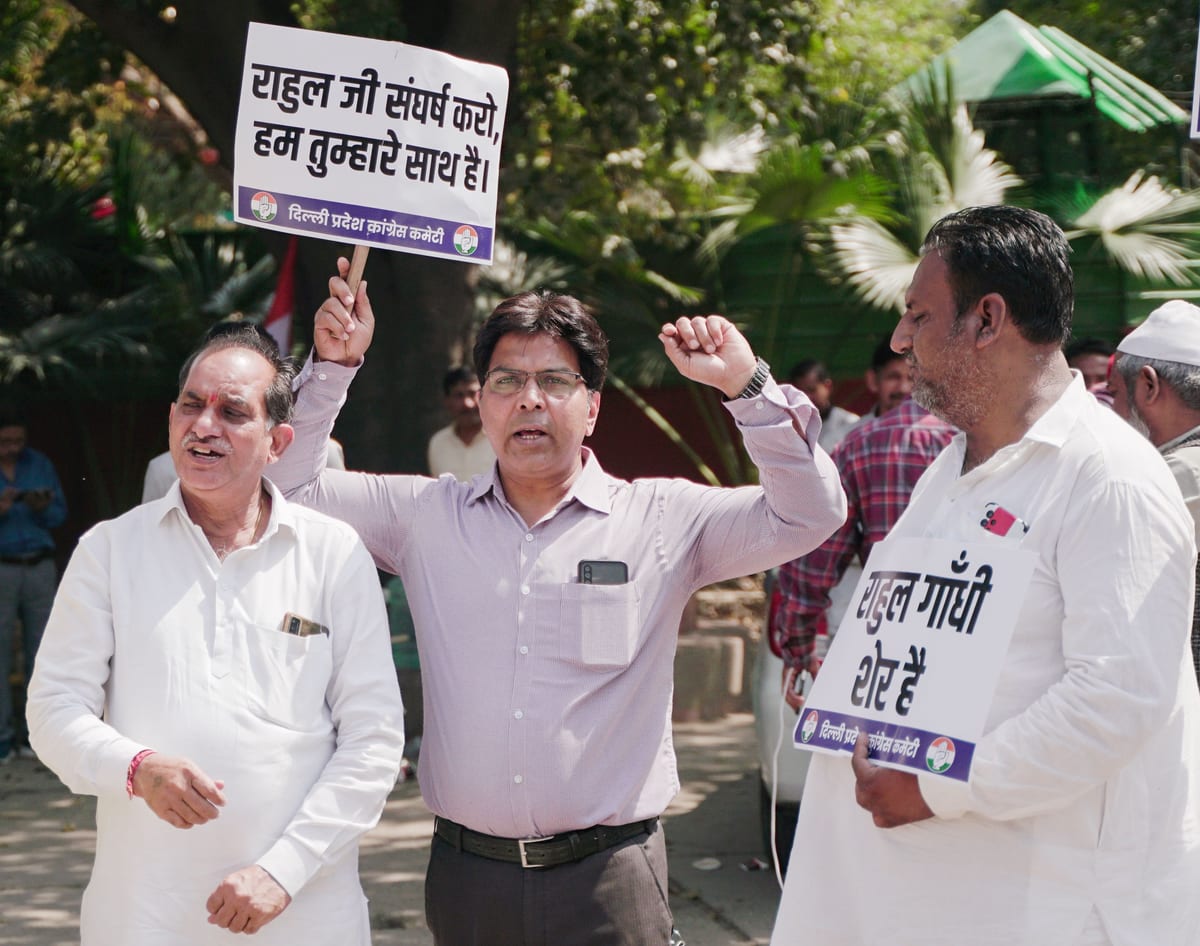
The NEET student protests placed India's content creators at a sharp commercial and civic inflection point. Speaking up risked brand deals; staying silent eroded audience trust. The episode exposes a deeper structural tension: as India's creator economy scales commercially, the incentive architecture actively discourages the civic accountability functions that traditional media once performed.

India's Carbon Market Launches Into a Credibility Test It Cannot Afford to Fail
India's compliance carbon market under the Carbon Credit Trading Scheme is scheduled to begin active trading in Q4 2026, reshaping how Indian corporations manage emissions. Experts at Mint's Sustainability Impact Summit warned that credible price discovery and robust verification are prerequisites for the market to work. The stakes extend beyond corporate balance sheets: the EU's Carbon Border Adjustment Mechanism creates a structural incentive for India to get this right the first time.

Matcha at ₹450 a Cup: How a Japanese Harvest Squeeze Reshapes Indian Café Margins
Indian café chains from Starbucks to homegrown brands like Boba Bhai and abcoffee are driving growth through premium beverages — matcha lattes, bubble teas, Vietnamese coffees — even as global wholesale prices for these imported ingredients surge 30–75% in a year. Most chains are absorbing the cost rather than raising menu prices, but the squeeze reveals a structural gap: India's premium F&B sector depends heavily on Japanese and East Asian agri-commodity supply chains it cannot control. The crisis also quietly signals an opening for India's own tea estates.

NRIs Pour $36.7 Billion Into India: The Architecture of a Deliberate Bet
India's banks have pulled $36.7 billion in FCNR deposits under an RBI-designed scheme that offers NRIs up to 14% returns while the central bank absorbs the hedging risk. Total swap facility inflows hit $40.8 billion by July 31. The scale of the mobilisation — achieved in under two months — marks one of the most consequential diaspora finance interventions in India's post-liberalisation history.


India Pulls USD 40.8 Billion in Eight Weeks Through RBI's Swap Facility
The Reserve Bank of India's concessional swap facility, launched in June 2026, pulled in USD 40.816 billion in foreign exchange inflows by July 31 — with FCNR(B) deposits alone accounting for USD 36.725 billion. The scale surpasses the celebrated 2013 stabilisation exercise and signals deep NRI confidence in Indian instruments. The facility runs through December 2026, leaving room for further inflows.


India's Credit Cycle Surges: What 18.3 Per Cent Growth Signals
Non-food bank credit grew 18.3 per cent year-on-year as of June 30, 2026, nearly double the pace recorded a year earlier, with industrial credit expanding 19.2 per cent and services credit at 21.4 per cent. The numbers, published by the Reserve Bank of India from data across 41 scheduled commercial banks, confirm broad-based transmission of India's capex-led growth model into actual lending. The acceleration carries both strategic promise and a need for calibrated macro-prudential vigilance.

The ECB Sets the Clock: India's Digital Rupee Must Engage Now
The European Central Bank has outlined accessibility features for its digital euro app that go beyond existing EU law, setting what could become the global benchmark for retail central bank digital currencies. With usability testing scheduled for 2027 and the ECB working through formal stakeholder processes, the design phase is closing. India's own Digital Rupee pilot is advanced enough to engage — but only if the RBI moves from domestic focus to active multilateral positioning before the architecture hardens.

Platform Over Payroll: India's Mid-Cap IT Firms Rewrite the Growth Equation
India's mid-tier IT companies are outgrowing their larger peers by building AI-native, platform-led delivery models and pursuing bold cross-border acquisitions. Persistent Systems' $1.3 billion Nagarro deal and Coforge's $2.35 billion Encora acquisition signal a structural shift in how Indian IT generates revenue — one that decouples growth from headcount. The implications extend beyond corporate strategy into India's employment model, engineering education pipeline, and the long-term composition of its services export economy.
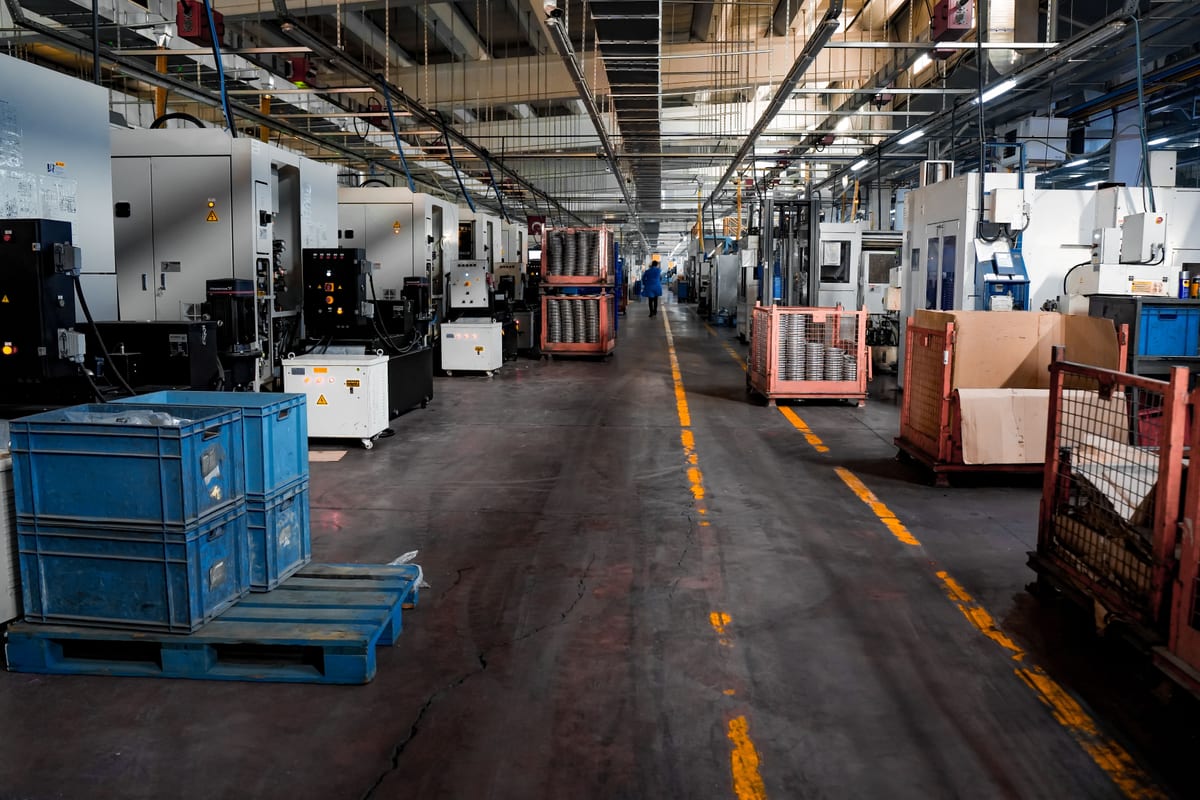
India Breaks the Discom Monopoly on Meter Testing
The Department of Consumer Affairs is preparing rules to allow government-authorized private laboratories to test electricity meters, ending distribution companies' near-exclusive control over a process consumers have long distrusted. The reform arrives as India pushes toward installing around 250 million smart meters — one of the largest metering programmes anywhere. Getting the accreditation framework right from the start will determine whether the reform delivers genuine independence or simply creates a new conflict of interest.

ECB's Lane Signals Caution: What Euro Area Headwinds Mean for India's Export Engine
ECB Chief Economist Philip Lane has outlined a cautious growth outlook for the euro area, flagging demand softness and persistent uncertainty. For India, whose bilateral trade with the eurozone runs into hundreds of billions of euros annually, the signals carry direct consequences for IT services revenues, merchandise exports, and the timing of the India-EU Free Trade Agreement. The analysis argues India should read Lane's remarks not as a threat but as a window.
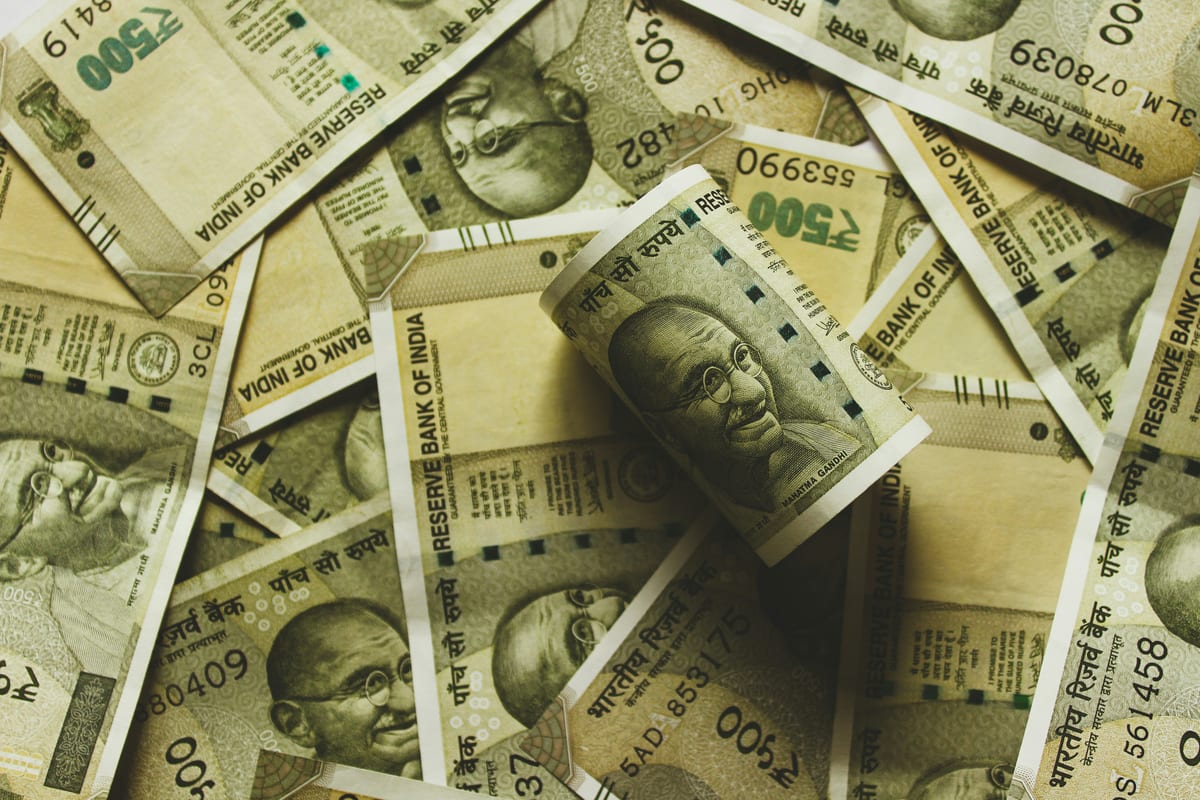
RBI's ₹50,000 Signal: Why Small Penalties Carry Large Consequences
The RBI imposed a ₹50,000 penalty on The City Co-operative Bank, Hassan, Karnataka for failing to upload customer KYC records to the Central KYC Records Registry within prescribed timelines. The amount is nominal; the signal is not. A single day of RBI enforcement orders on July 17, 2026, touched co-operative banks across Karnataka, Maharashtra, and Chhattisgarh — exposing a compliance tier that India's FATF ambitions cannot afford to leave unreformed.