There is a moment that every traveller to Goa encounters — usually somewhere between the first sip of coconut water and the sight of the Arabian Sea turning copper at sunset — when time seems to shift. The locals have a word for what you are feeling: Susegad. Once you understand that this is not merely a mood but a philosophy forged over centuries at the meeting point of ocean, empire, and ancient Indian culture, the beaches of Goa reveal themselves as far more than a holiday destination.
A Coastline Shaped by Centuries
Goa's coastline stretches 3,702 kilometres, and every kilometre carries the weight of history. Long before the Portuguese arrived in the early sixteenth century, this shoreline was alive with Konkani fishing communities, spice traders, and the rhythms of a culture that had learnt, over millennia, to live in partnership with the sea. The ocean here was never merely a backdrop — it was a highway, a larder, a spiritual boundary, and a mirror of the divine.
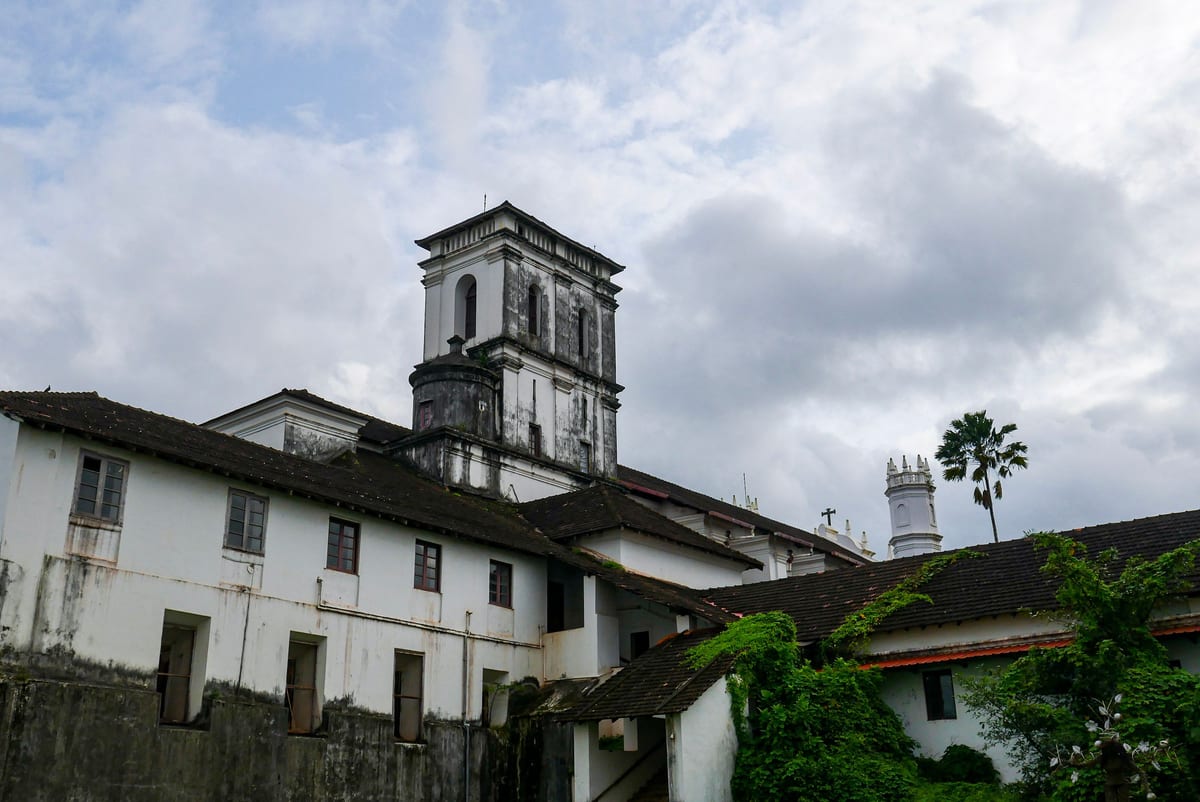
When the Portuguese established their presence, they did not erase what was here. They collided with it, and from that collision emerged something entirely new: a Goan identity that wore its Portuguese architectural inheritance — the whitewashed churches, the terracotta-roofed mansions, the cobblestoned Fontainhas neighbourhood with its narrow lanes and jewel-coloured houses — without surrendering the deeper Konkani soul beneath. Today, the Incredible India page on Goa rightly describes this layered character when it speaks of sun-kissed beaches alongside rich history and vibrant festivals in the same breath. In Goa, these things are inseparable.
The Beaches: Each One a Different Story
Goa's beaches are not a single experience. Baga and Calangute in the north pulse with energy — beach shacks serving cold Kingfisher, parasailers arcing across a blue sky, and the particular joy of a crowd that has collectively decided to abandon all urgency. These are beaches that celebrate life at full volume, and there is nothing wrong with that. India has always known how to celebrate.
Travel south, and the register changes. Palolem and Agonda offer a quieter conversation — crescent-shaped bays fringed by coconut palms, where the waves arrive with gentle force and the evenings belong to candlelit dinners on the sand. These beaches feel ancient in a way that the busier northern shores do not, as though the land itself remembers something the modern world has chosen to forget.
This spectrum — from the exuberant to the contemplative — reflects a civilisational truth about India. This is not a country that offers one emotional frequency. It offers the entire octave, sometimes within the same afternoon.
Culture Lives Here, Not Behind Glass
What makes Goa's beaches significant in India's heritage story is that culture here is not curated for the tourist. It is simply lived. The Shigmo festival, a springtime celebration of Goa's indigenous Hindu traditions, spills colour and devotion through the streets with a fervour that has nothing to do with performance and everything to do with belonging. The Carnival, with its Portuguese echoes, has been absorbed so completely into the local spirit that it now feels as authentically Goan as fish curry rice.
The cuisine along these beaches is its own form of cultural archaeology. Goan food is the edible record of every civilisation that has ever touched this shore. The prawn balchão carries a Portuguese tang. The xacuti speaks to spice routes that predate European contact by centuries. The fish curry rice is the daily heartbeat of Konkani life, unchanged in its essentials for generations. And the Feni — that fiery, fragrant spirit distilled from cashew apple — is as Goan as the laterite rock that the land itself is built from. To eat on a Goa beach is to read history without needing a single page.
Beyond the Shore: History Within Reach
The beaches are the introduction, but Goa's interior rewards the curious traveller generously. The Basilica of Bom Jesus in Old Goa, a UNESCO World Heritage Site, holds the mortal remains of St. Francis Xavier and is one of the finest examples of Baroque architecture in Asia — a monument that India has not merely preserved but continued to engage with, through an annual feast that draws pilgrims from across the country and the world. The Dudhsagar Waterfalls thunder down from the Western Ghats into the jungle below, a reminder that Goa's natural drama is not confined to its coastline.
Practical Travel Guide
Best Time to Visit: Goa is welcoming year-round, but the best period for beach travel is October through February, when temperatures range from a comfortable 18°C to 35°C and the monsoon has retreated to leave the landscape washed clean and brilliantly green. The June to September monsoon season brings dramatic skies and lush scenery, though some beach shacks close and swimming conditions can be rough.
Getting There: Goa is well-connected by air through two airports — the established Dabolim Airport (GOI) and the newer Manohar International Airport (GOX), which has significantly expanded the state's aviation capacity. For those who prefer the romance of rail, Madgaon Junction Railway Station (MAO) connects Goa to Mumbai, Delhi, Bengaluru, and most major Indian cities. The Konkan Railway route, hugging the Western Ghats and the coast, is one of the most scenic train journeys in India.
Nearby Attractions: Old Goa's churches and convents, the Fontainhas heritage neighbourhood in Panaji, Dudhsagar Waterfalls, Chapora Fort (for its sweeping coastal views), and the Saturday Night Market at Arpora — a vibrant, eclectic gathering of artisans, musicians, and food stalls that mirrors Goa's plural culture.
Why Goa's Beaches Matter
What Goa offers the thoughtful traveller is a masterclass in civilisational confidence. This is a place that has been invaded, colonised, liberated, and touristed — and it has met each of these forces with unhurried grace. Susegad is not passivity. It is the deepest form of rootedness: the certainty that who you are will outlast whatever arrives on the next tide.
India's heritage story is told not only in the grand monuments of the north or the temple complexes of the south. It is told here, on a stretch of sand where a fisherman pulls in his nets at dawn, a church bell rings over red-roofed houses, a chef ladles fish curry into a banana leaf, and the sea — patient, ancient, indifferent to empires — continues its conversation with the shore.
Come to Goa for the beaches. Stay because you discover, quite unexpectedly, that you are standing inside one of India's most alive and eloquent stories.