The Union Cabinet has approved India's Nationally Determined Contribution for 2031-2035. The commitment package reduces emissions intensity of GDP by 47% from 2005 levels by 2035, reaches 60% cumulative non-fossil installed capacity by 2035, and creates a carbon sink of 3.5-4.0 billion tonnes of CO₂ equivalent through forest and tree cover.
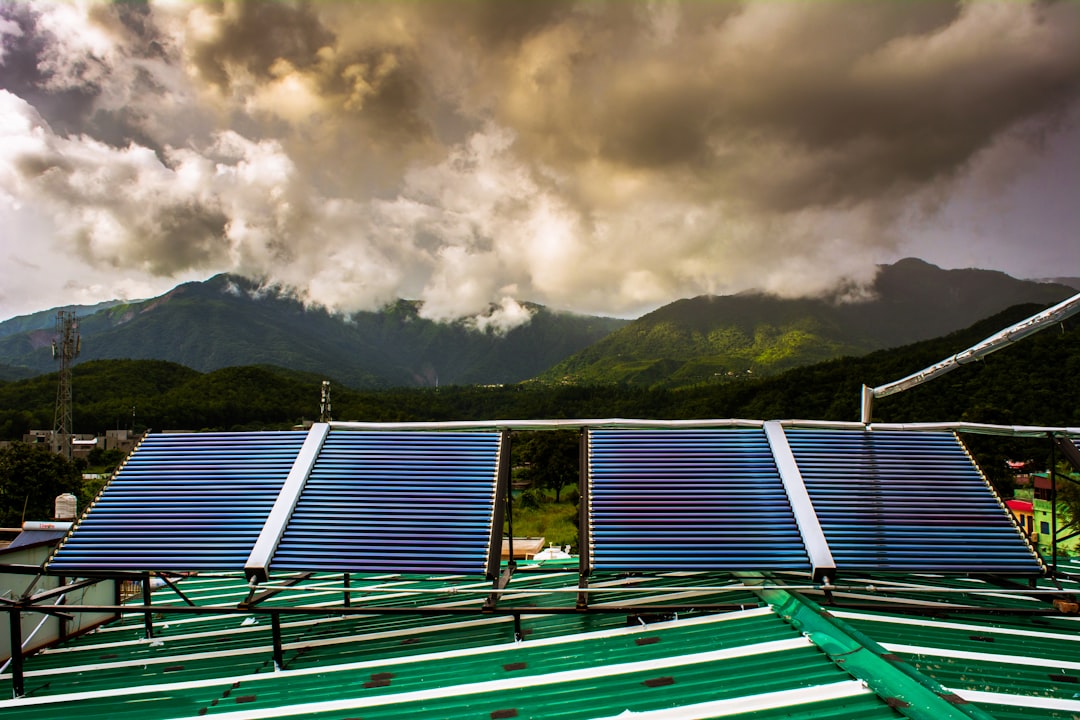
India enters this commitment cycle from a position of demonstrated success. The country has already achieved 50.07% of installed capacity from non-fossil sources, hitting its earlier COP26 target five years ahead of the 2030 deadline. Solar capacity alone has positioned India as the world's third-largest solar producer.
The Delivery Dividend
The 2031-2035 NDC is the first Indian climate commitment written from proven capacity rather than developmental ambition. Where previous commitments required India to build institutional frameworks while pursuing targets, this cycle leverages established renewable energy manufacturing, grid integration capabilities, and policy coordination mechanisms that have already delivered results.
The emissions intensity target of 47% reduction builds on India's track record of decoupling economic growth from carbon intensity. India's current emissions trajectory shows the country has successfully reduced emissions intensity while maintaining GDP growth rates that have lifted hundreds of millions from poverty. The 2035 target extends this approach across a longer timeline with greater ambition.
Forest and tree cover commitments reflect India's experience with large-scale environmental restoration. The 3.5-4.0 billion tonnes CO₂ equivalent carbon sink target builds on existing afforestation programmes and state-level forest conservation initiatives that have demonstrated measurable carbon sequestration outcomes.
Global South Coalition Building
India's demonstrated capacity creates new opportunities for climate diplomacy leadership among small island developing states and climate-vulnerable countries. These nations face the steepest climate impacts with the least historical responsibility for emissions. Climate finance and loss-and-damage mechanisms are central to their negotiating positions.
The shift from aspirational to delivery-based commitments allows India to lead by example. Small island states have consistently argued that major developing countries must demonstrate climate action credibility before demanding loss-and-damage funding from developed nations. India's early achievement of renewable energy targets and the ambitious 2031-2035 framework provides that credibility.
India's climate diplomacy increasingly emphasizes technology transfer and south-south cooperation as alternatives to traditional north-south financing mechanisms. The solar manufacturing base that enabled India's renewable energy success creates opportunities for technology partnerships with climate-vulnerable nations seeking their own energy transitions.
The Viksit Bharat Climate Framework
The 2031-2035 NDC aligns with India's Viksit Bharat vision of developed-nation status by 2047. Climate action becomes a component of comprehensive development rather than a constraint on growth. The 60% non-fossil capacity target supports industrial modernisation and energy security while reducing import dependence on fossil fuels.
Manufacturing competitiveness benefits from the renewable energy transition as global supply chains increasingly factor carbon content into procurement decisions. India's early advantage in solar manufacturing and grid-scale deployment creates export opportunities in clean technology sectors that complement traditional manufacturing strengths.
The emissions intensity approach preserves policy space for continued GDP growth while achieving absolute emissions reductions through efficiency gains and structural economic shifts. This framework demonstrates that developing nations can pursue climate ambition without sacrificing development outcomes—a model particularly relevant for other large developing economies.
Implementation and Accountability
The 2031-2035 commitments will be tested against India's institutional capacity for monitoring, reporting, and verification. The renewable energy sector's success provides a template for measurable, time-bound implementation across sectors including industry, transport, and agriculture.
State-level implementation becomes critical given India's federal structure and the variation in energy, industrial, and agricultural profiles across regions. The NDC framework must accommodate this diversity while maintaining national-level accountability for aggregate targets.
International climate finance discussions will increasingly focus on India's role as both recipient and provider of climate resources. The demonstrated delivery capacity creates expectations that India will expand south-south climate cooperation while continuing to advocate for adequate north-south financial flows.
India's 2031-2035 climate commitment positions the country as a global south leader capable of delivering measurable climate outcomes while maintaining development momentum. For small island states and climate-vulnerable nations, India's proven capacity offers both a model for climate action and a potential partner for the loss-and-damage financing mechanisms that will define the next decade of international climate negotiations.