
India's telecommunications backbone faces an unexpected vulnerability as the nation's largest tower companies issue urgent warnings about potential service disruptions. The Digital Infrastructure Providers Association (DIPA) has formally requested government exemptions from new diesel procurement restrictions, arguing that fuel supply disruptions could cripple mobile network operations during power outages.
The association's Friday letter to the Department of Telecommunications warned of nationwide connectivity risks. "Any disruption in diesel supply directly affects DG (diesel generator) operations, potentially leading to outages impacting voice/data services, including emergency communications across the 1.3 billion subscribers," DIPA stated in its communication seeking urgent government intervention.
Environmental Policy Meets Infrastructure Reality
The conflict emerged from the Ministry of Petroleum and Natural Gas's Motor Spirit and High Speed Diesel Order issued on June 11, restricting bulk fuel purchases from retail outlets for up to 90 days. The directive, designed to ensure equitable fuel availability amid West Asia supply chain pressures, limits diesel purchases to 200 litres per customer daily and redirects commercial users to bulk sale points.
DIPA represents India's telecommunications infrastructure giants—Indus Towers, Ascend Telecom Infrastructure, and Altius Telecom Infrastructure—companies that collectively manage cellular coverage across the subcontinent. Their diesel generators serve as the critical backup systems maintaining network uptime when grid power fails, a frequent occurrence across much of rural and semi-urban India.
The restriction creates an operational problem for tower companies whose generators require consistent fuel access. Unlike scheduled industrial operations, telecom towers need emergency diesel supplies during unexpected outages, making bulk procurement planning nearly impossible.
Digital Economy's Hidden Dependence
The diesel dependency reveals a tension in India's digital transformation. While the nation leads in digital payments, with UPI transactions exceeding billions monthly, the underlying infrastructure relies heavily on fossil fuel backup systems. This becomes acute during monsoon seasons or grid instability when diesel generators run continuously for hours.
India's digital economy contributes over 8% to GDP, with telecom services forming the critical foundation for rural banking to e-governance platforms. A service disruption cascade could affect not just phone calls but the entire digital ecosystem that underpins Indian commerce and administration.
The timing amplifies the concern. India's manufacturing sector increasingly depends on reliable connectivity for supply chain coordination, while the government's Digital India initiatives require consistent network availability for citizen services. Any infrastructure weakness could undermine investor confidence in India's technological reliability, particularly as global companies evaluate manufacturing locations under production-linked incentive schemes.
Strategic Infrastructure Classification
The crisis highlights the need for India to develop strategic infrastructure classifications that balance environmental compliance with operational requirements. Other nations facing similar challenges have created emergency fuel reserves specifically for critical infrastructure, recognising that telecommunications networks cannot operate on environmentally optimal timelines during crisis periods.
The Department of Telecommunications faces a complex decision. Granting exemptions could undermine environmental objectives while creating precedent for other industries seeking similar relief. Rejecting the request risks service degradation that could cascade through India's interconnected digital economy.
Tower companies argue their diesel consumption represents a fraction of national usage while serving an outsized role in economic functionality. Telecom infrastructure diesel usage occurs primarily during emergencies and planned maintenance, unlike continuous industrial consumption patterns targeted by the restrictions.
Renewable Energy Transition Challenges
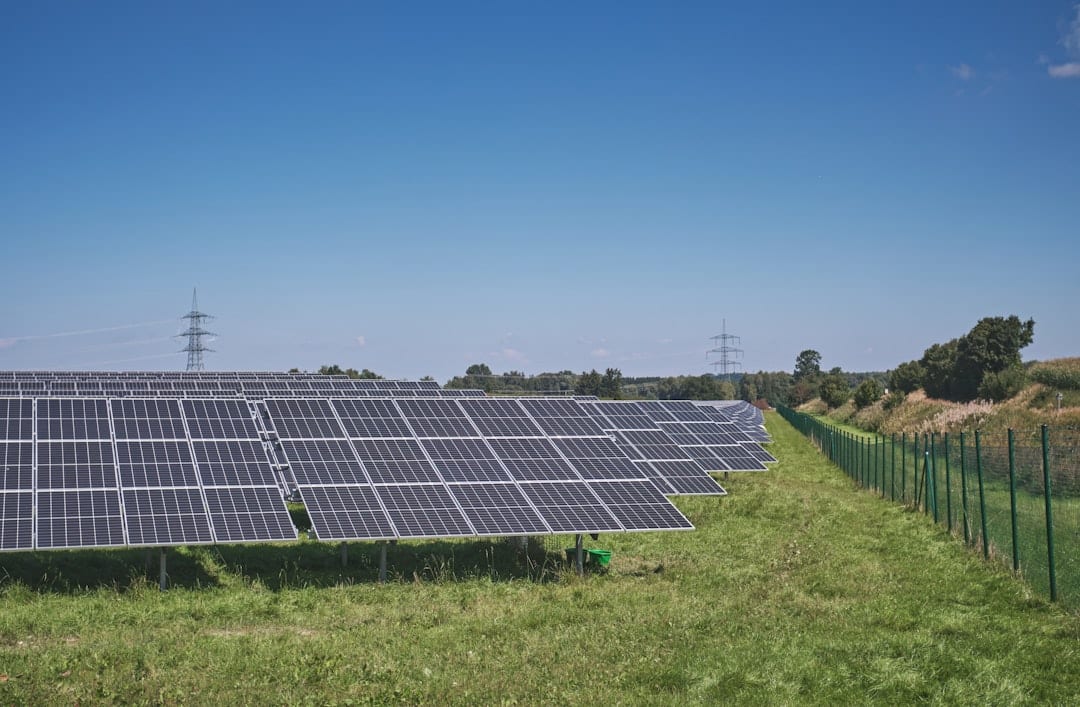
The controversy exposes the gap between India's renewable energy ambitions and infrastructure reality. Solar-battery hybrid systems for towers represent the long-term solution, but current technology cannot match diesel generators' reliability during extended outages or extreme weather conditions.
The transition timeline is critical. India's commitment to expanding rural connectivity under digital inclusion programs depends on tower reliability. Solar solutions require substantial upfront investment and face practical limitations during monsoon periods when grid failures coincide with reduced solar generation.
International experience suggests hybrid approaches work best during transition periods. Countries balancing environmental goals with infrastructure security typically maintain emergency fuel classifications while accelerating renewable adoption through targeted incentives rather than blanket restrictions.
Government's Balancing Act
The petroleum ministry's order reflects broader supply chain anxieties stemming from West Asia conflicts. The telecommunications sector's operational requirements, however, distinguish it from typical commercial users who can plan bulk purchases in advance.
The government's response will signal how India navigates competing priorities between environmental compliance and infrastructure security. The decision carries implications beyond telecommunications, potentially affecting other critical infrastructure sectors including hospitals, emergency services, and defense installations that rely on diesel backup systems.
The resolution approach could establish precedent for future policy conflicts between environmental regulations and infrastructure reliability. India's regulatory framework must evolve to accommodate the reality that critical infrastructure cannot always operate according to optimised environmental timelines while maintaining service guarantees.
As India positions itself as a global technology leader and reliable manufacturing destination, the telecommunications infrastructure's resilience becomes a strategic asset. The diesel exemption decision, while seemingly technical, reflects the broader challenge of building environmental sustainability into infrastructure systems without compromising the connectivity that underpins modern economic activity. The government's response will demonstrate whether India can manage this transition while preserving the digital infrastructure reliability that supports its economic growth ambitions.