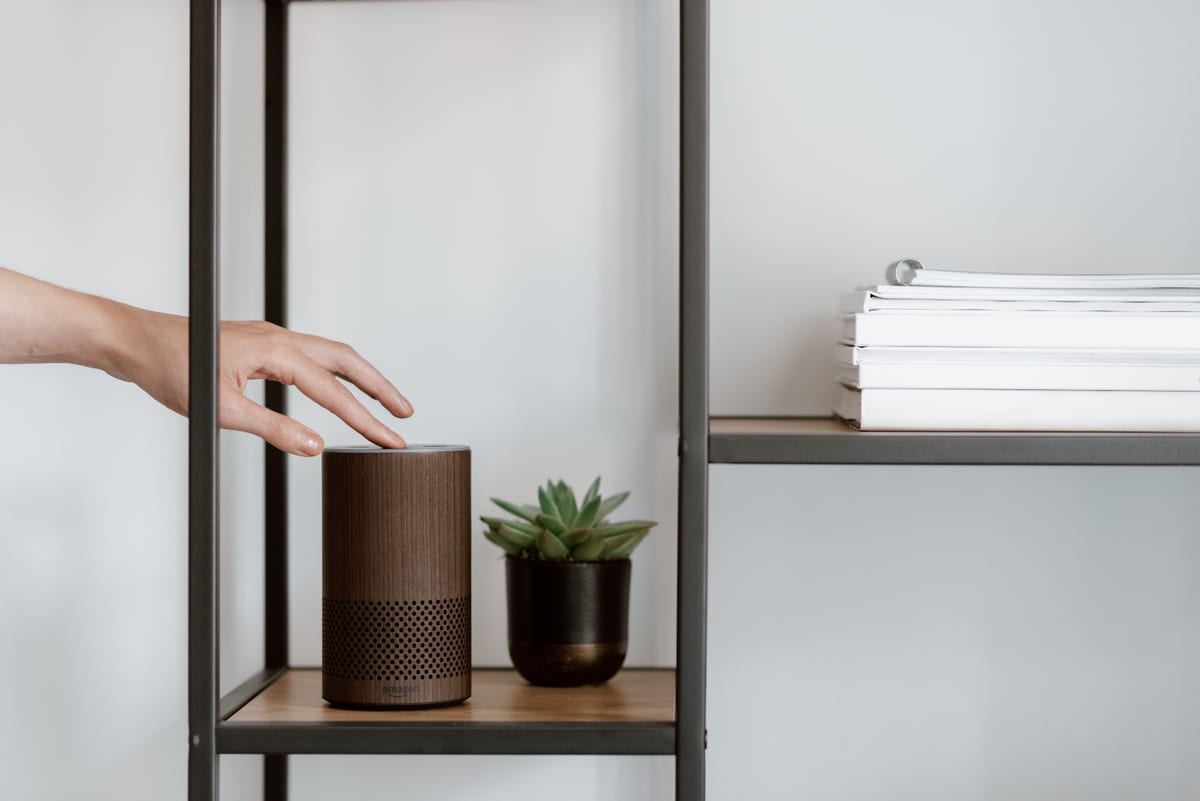
Amazon is rolling out a new scam-detection feature for Alexa for Shopping that can tell you whether a suspicious email, text, or message actually came from Amazon or a fraudster. According to TechCrunch, the e-commerce giant has equipped Alexa to verify messages against billions of communications Amazon has sent globally, analyzing sender info, metadata, and timing to spot fakes.
360,000 Amazon customers contact customer service every year just to ask "Is this message real?" The new feature lets them ask Alexa instead. The AI checks the message against Amazon's communications database, examining sender information, metadata, and timing patterns to identify fraudulent messages.
Scammers have become adept at mimicking legitimate Amazon alerts, fake order confirmations, Prime renewal warnings, account suspension threats, delivery notifications, and job scams. These messages are designed to panic recipients into clicking. Amazon already launched a [email protected] email address earlier this year for people to forward suspicious messages, but most users are unaware of it.
Why this matters: Every time a customer is fooled by a fake Amazon email and loses money or has their account compromised, Amazon's reputation suffers. By embedding scam detection directly into Alexa, Amazon is turning its most-used AI assistant into a security layer. The feature signals where Amazon sees Alexa's real value: as a shopping concierge that solves customer problems, from alerting users to new drops from favorite brands to sourcing personalized deals to helping with reorders.
The system will reportedly improve over time as more customers report suspicious messages, allowing the AI's threat detection to evolve. More data improves predictions, a pattern Amazon has long relied on.
For anyone who has received a message saying "Your Amazon account is suspended, verify now" late at night and felt immediate panic, this is useful. Ask Alexa. Find out it's fake. Move on.