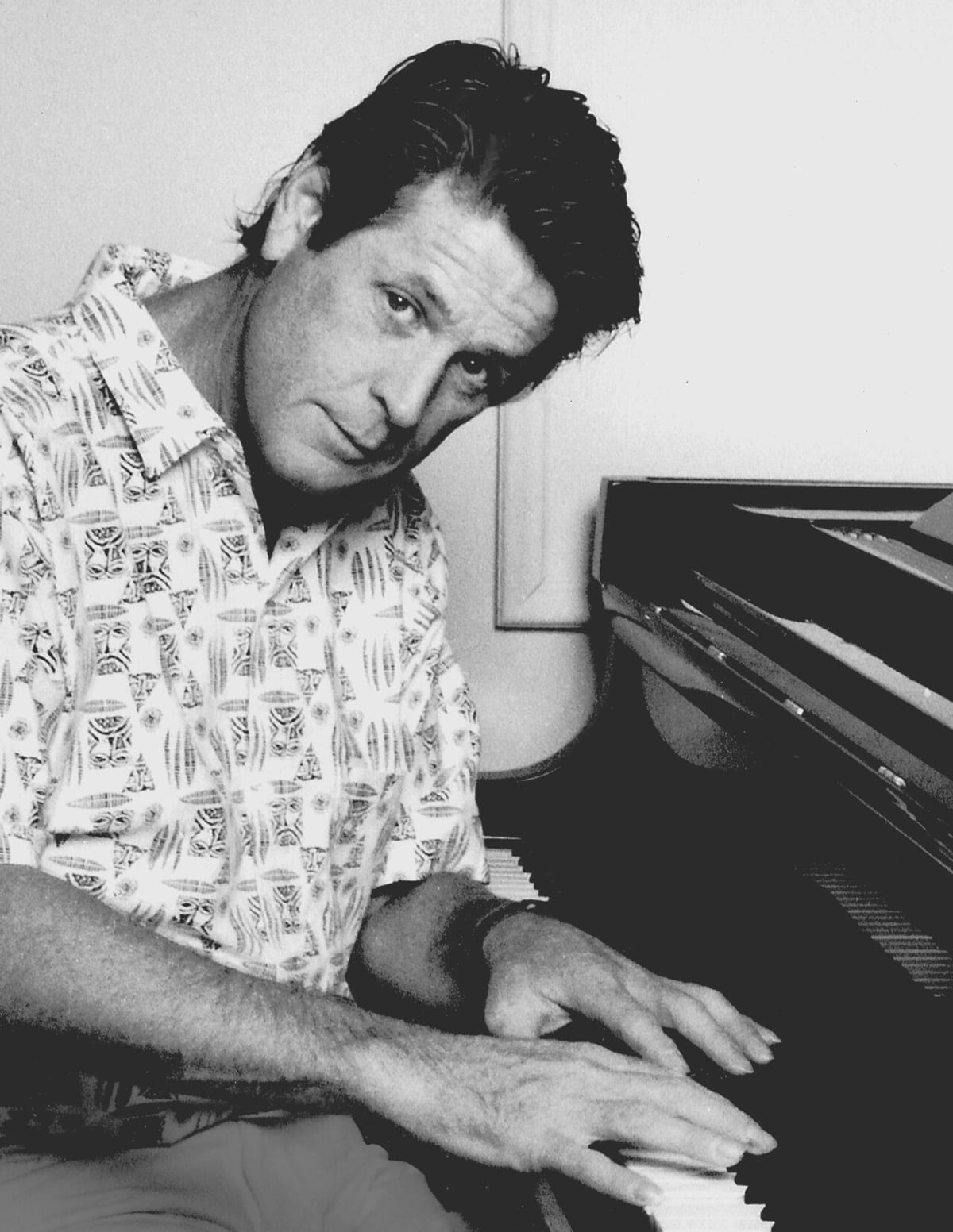
By the mid-1970s, the Beach Boys had become a heritage act, running on greatest hits. According to Rolling Stone's anniversary look at the 1976 'Brian's Back' tour, the band had stopped producing much new material live and were content drawing packed arenas with nostalgia. Dennis Wilson summed it up in a 1976 People cover story: "Brian is the Beach Boys, and we're his messengers."
Then came the move: bring Brian Wilson himself back onstage for the first time since 1964. It was a calculated gamble to reignite interest as the Endless Summer revenue slowed.
The media at the time often misread the story. While Rolling Stone treated Wilson as the complex, visionary mind he was, most outlets painted him as a quirky eccentric who'd been hiding in bed. People magazine's coverage was particularly patronizing, reducing a genuine musical genius to "an amiable child trying to relearn simple social graces." The SNL sketch with Dan Aykroyd and John Belushi as the "Surf Police" captured how mainstream culture saw him, as comedy, not as a serious artist.
Yet the gambit had limits: Wilson didn't simply return for a nostalgia lap. He produced a full new album, "15 Big Ones," his first since Pet Sounds. The problem was clear: it underwhelmed. Heavy on covers (Chuck Berry, Fats Domino, the Dixie Cups) and thin on originals, the record showed the Beach Boys' creative output had stalled. The marketing campaign, the NBC special, Annie Leibovitz's photo shoot, the full "Brian's Back" push, could not manufacture genuine innovation.
That winter 1976 tour marked the last time the Beach Boys seriously attempted new material live in concert. The lesson is straightforward: bringing back a legendary figure is not enough. You need strong work to match it. The Beach Boys had Wilson. They did not have the songs.