Forget the endless glucose monitors and red-light therapy masks — there's a new biohacking trend sweeping through celebrity circles, and it's much simpler than you'd think.
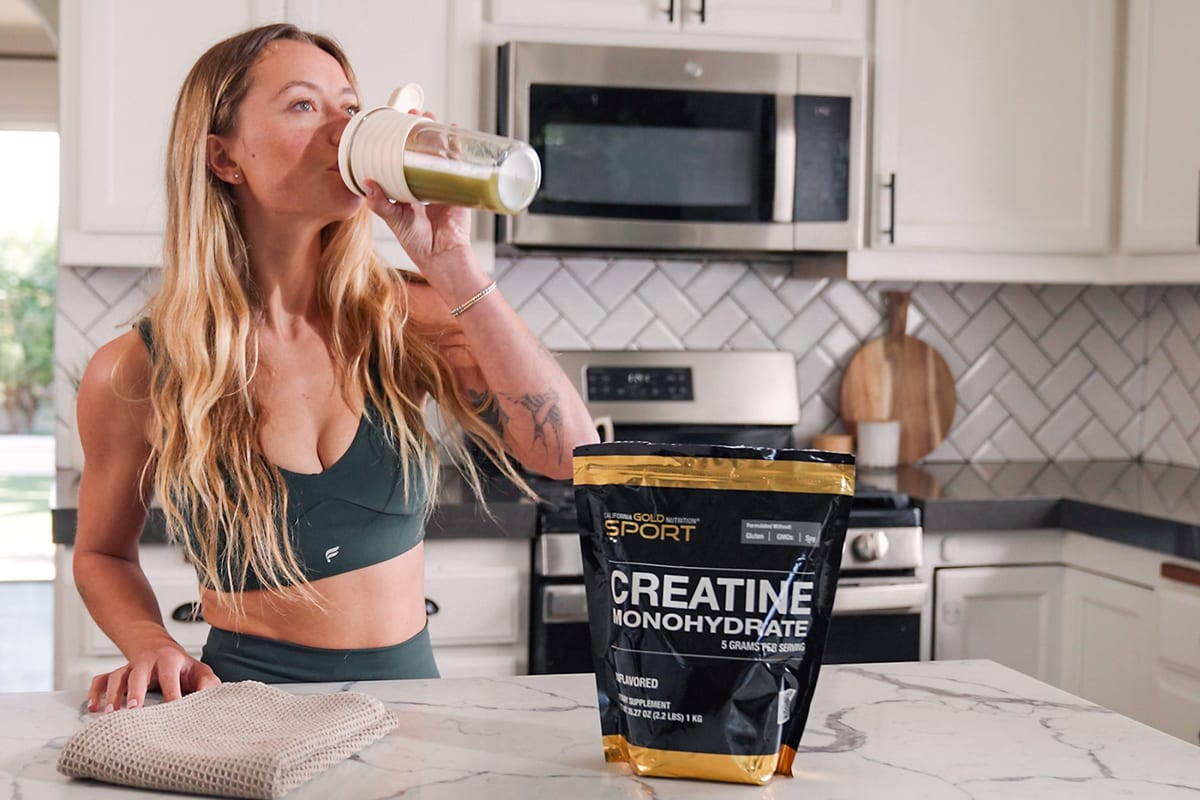
Creatine is gaining attention, with everyone from singer Ciara to professional athletes publicly praising the supplement. And unlike some wellness fads, this one has science backing it up.
According to Rolling Stone's expert guide, creatine is a naturally occurring compound your body already produces from amino acids. "The average person has about 120 grams of creatine in their body, but can store up to 160 grams mainly as creatine phosphate," explains Dr. Michael Murray, N.D. Most of it resides in your skeletal muscle, supporting strength and exercise performance.
Research suggests women may benefit more from creatine supplementation than men. It's particularly popular among older women and those navigating menopause, when the body undergoes significant changes.
The supplement works by providing your body a quick energy reset — fuel for your workouts and everyday activities. It supports muscle health, boosts exercise performance, and may have anti-aging effects and benefits for mood and brain function.
Creatine comes in multiple formats now — powders, gummies, and on-the-go options from brands like iHerb, Thorne, and Lemme. Unlike some supplements, creatine doesn't contain caffeine, so it won't disrupt your sleep.
Always consult your doctor before adding anything new to your routine. But if you're looking to match Ciara and fitness-focused individuals, creatine may be worth trying.