Elon Musk is having a banner month. The Trump administration's Department of Transportation just handed Tesla a regulatory win: a proposal to axe brake-pedal requirements for fully autonomous vehicles.
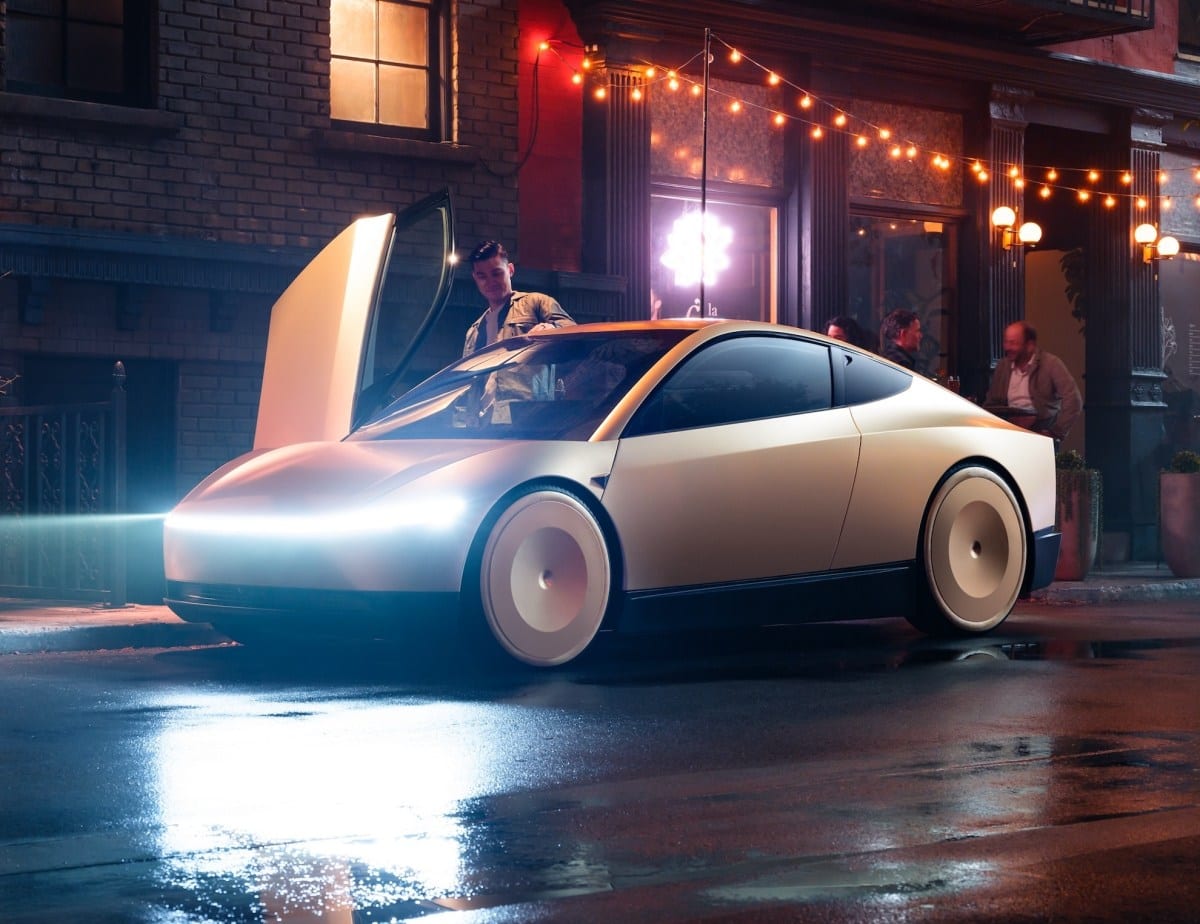
The DOT wants to let companies skip installing brake pedals in cars designed to be driven exclusively by automated driving systems. Musk's long-hyped Cybercab—a sleek, futuristic two-seater with no steering wheel or pedals—just cleared a major regulatory hurdle toward deployment.
"We are at the cusp of the greatest technological revolution in vehicle technology since the innovation of the Model T," NHTSA Administrator Jonathan Morrison said. "If we want America to lead the way, we have to reimagine our regulatory framework."
Until now, Tesla and competitors like Zoox had to apply for exemptions to Federal Motor Vehicle Safety Standards just to test vehicles without traditional controls. Those exemptions came with strict limits on how many cars could operate on roads. Remove the requirement entirely, and the barrier disappears.
Tesla has been operating a small robotaxi service in Austin, Texas for the past year, gradually removing safety drivers from the front seats. The company has never formally applied for an exemption—Musk has been waiting for the regulatory green light, repeatedly promising nationwide Cybercab deployment once the government approved it.
The public gets 30 days to weigh in before the DOT decides whether to approve. But given the Trump administration's appetite for cutting regulatory barriers to innovation, insiders aren't expecting major pushback.
This is the latest in a series of regulatory changes from the Trump DOT. Earlier this year, the NHTSA proposed removing requirements around windshield wipers and tire placards—all part of an "AV Framework" designed to accelerate autonomous vehicle deployment.
For Musk, the timing aligns with years of promises about the Cybercab. The vehicle may be one to two years away from broader reality.