The Port-au-Prince heat is relentless. While gang violence grips the capital and armed conflict consumes daily life, Haiti's national football team is living an impossible dream: playing in the 2026 World Cup for the first time in 52 years.
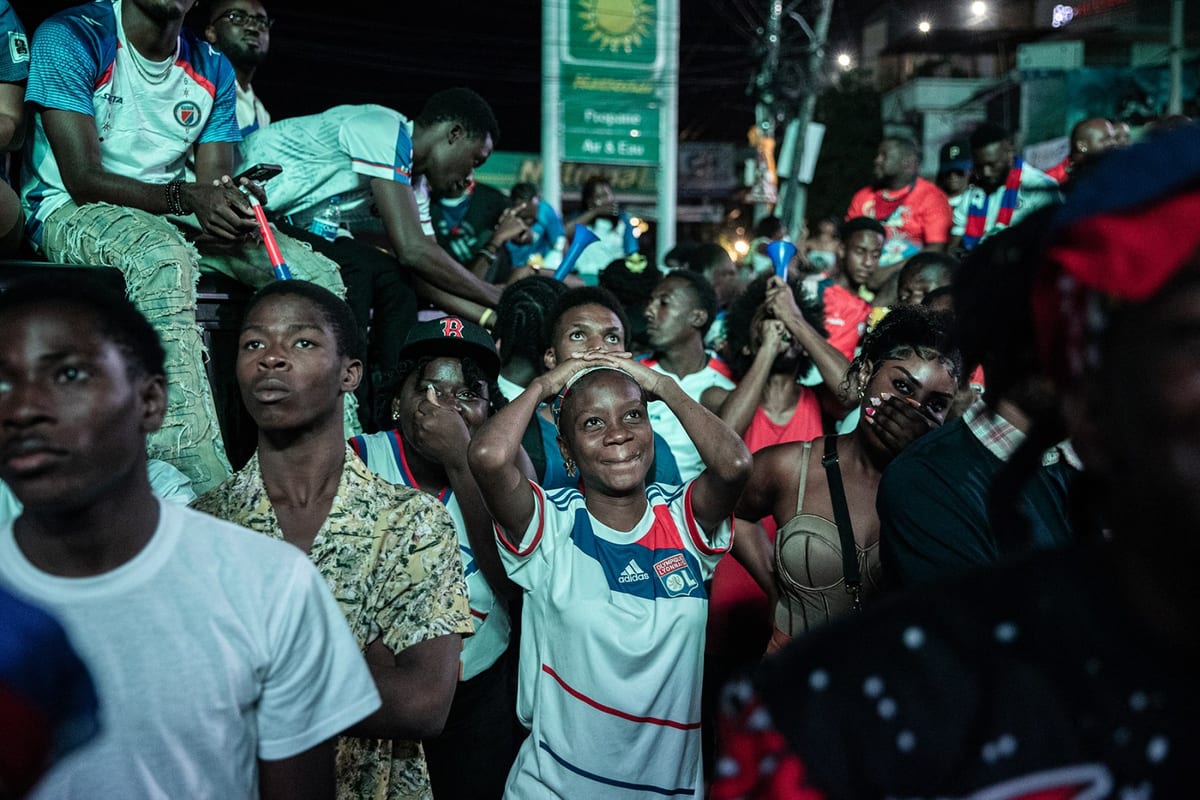
In the hillside suburb of Pétion-ville, thousands of spectators in blue and red packed Parc Sainte-Thérèse to watch the Grenadiers take on Brazil, chanting battle cries and blasting native trumpets. The atmosphere was electric. Haiti fell 3-0 to the Brazilians, yet the five-week tournament is offering something the nation desperately needs: hope.
"We are not people who live well," says 15-year-old prospect Safran Désir, dripping sweat in second-hand boots. "But through football, I believe that anything is possible."
For kids like Désir who commute miles to train in relative safety, the World Cup means more than sport. Their downtown pitches sit blocks from active gang warfare zones where police and criminals clash almost daily. Yet the national team's presence in the tournament has galvanized the nation. Watch parties have erupted everywhere, from plazas to ramshackle bars to camps for the internally displaced.
Former pro Philidor Junior, now a youth trainer, captures the sentiment: "It's as if there will be better days for Haiti through what is happening here."
This World Cup run comes at Haiti's darkest hour. Political chaos has consumed the country since President Jovenel Moise's assassination in July 2021, and most Haitians have been barred from traveling to support their team in the U.S. due to Trump administration restrictions.
But none of that matters on match day. For five weeks, Haitians have found something to believe in. The Grenadiers have one more group stage match left against Morocco on Wednesday.