
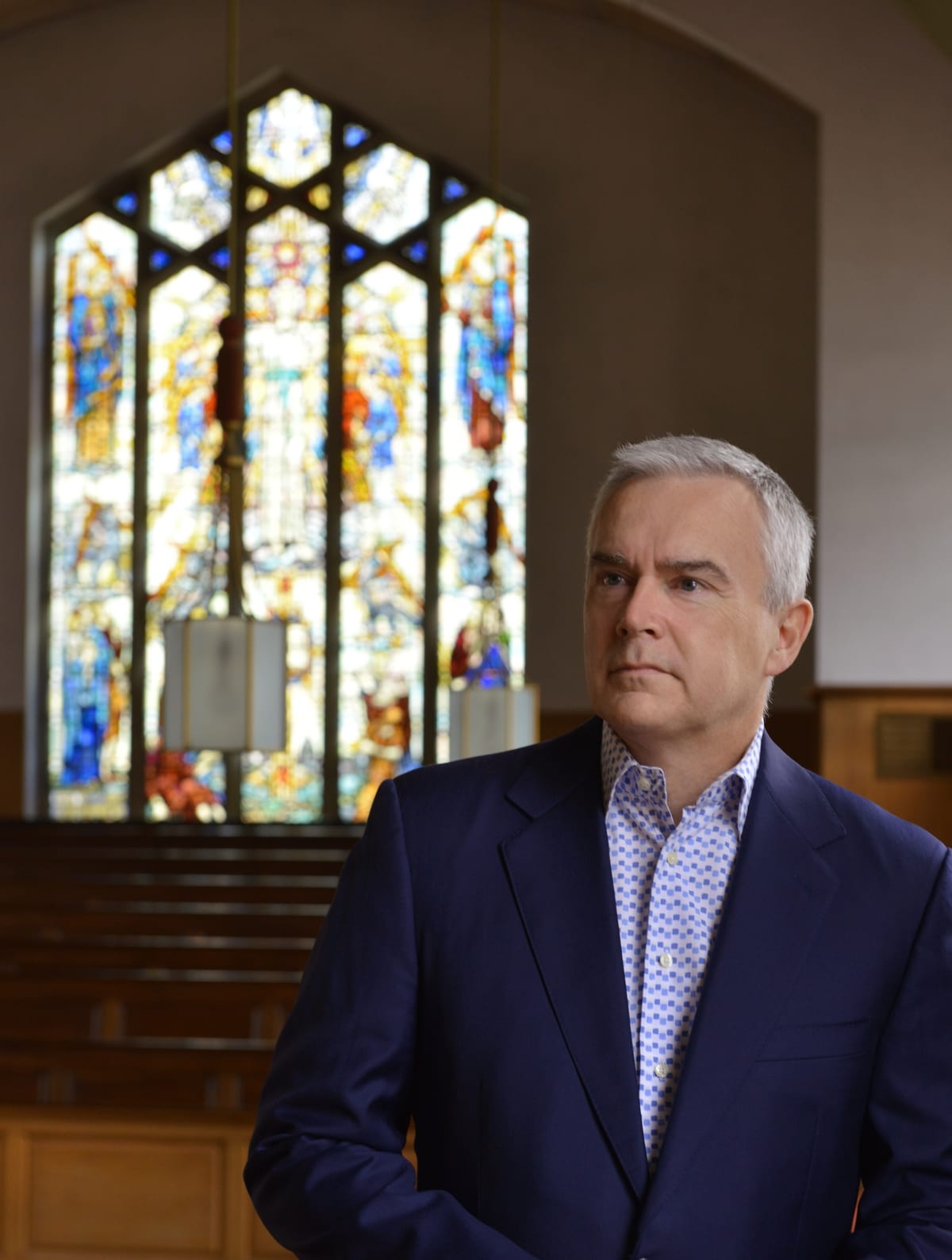
Three days before the premiere, Channel 4 is already in damage-control mode. Huw Edwards – Guilty hasn't even aired, but the network's news chief is defending the documentary, insisting it has "clear public interest" in examining the disgraced BBC anchor.
According to Deadline, the backlash began before the film dropped, government officials lined up to criticise the project. But Channel 4 isn't backing down. The network is saying: this man's fall from grace is too significant to ignore, and the public deserves to hear from him directly.
What makes this defensible and contentious: Huw Edwards wasn't a mid-tier talent. He was the face of BBC News for decades, the anchor Brits trusted with their morning coffee and evening bulletins. His implosion wasn't a celebrity stumble; it was an institutional shock. When someone that prominent disappears under those circumstances, a documentary examining the fall is journalism asking questions millions of people are already asking at home.
But there's a reason governments don't typically support these films. They can feel like spectacle dressed as accountability. The tension is real: does confronting Edwards serve the public interest, or does it give a platform to a fallen figure? Channel 4's argument, that there's "clear public interest", is their answer.
The timing matters. We're in an era where documentaries about high-profile downfalls draw large audiences. From royal scandals to corporate meltdowns, there's demand for the messy human story behind the headlines. Edwards' documentary fits that appetite. But it also signals something uncomfortable: the more controversial the subject, the larger the audience.
Huw Edwards – Guilty will likely draw significant numbers when it airs Tuesday. Whether that validates Channel 4's editorial judgment or confirms critics' concerns about sensationalism remains to be seen.