KJ Apa is in a full-blown identity dispute with a mysterious TikTok singer named Mr. Fantasy.
This week, Apa posted a social-media video accusing Mr. Fantasy of image theft. "Enough is enough," he declared, claiming the singer has "completely and utterly stolen my image." The accusation has generated significant attention from fans and industry observers.
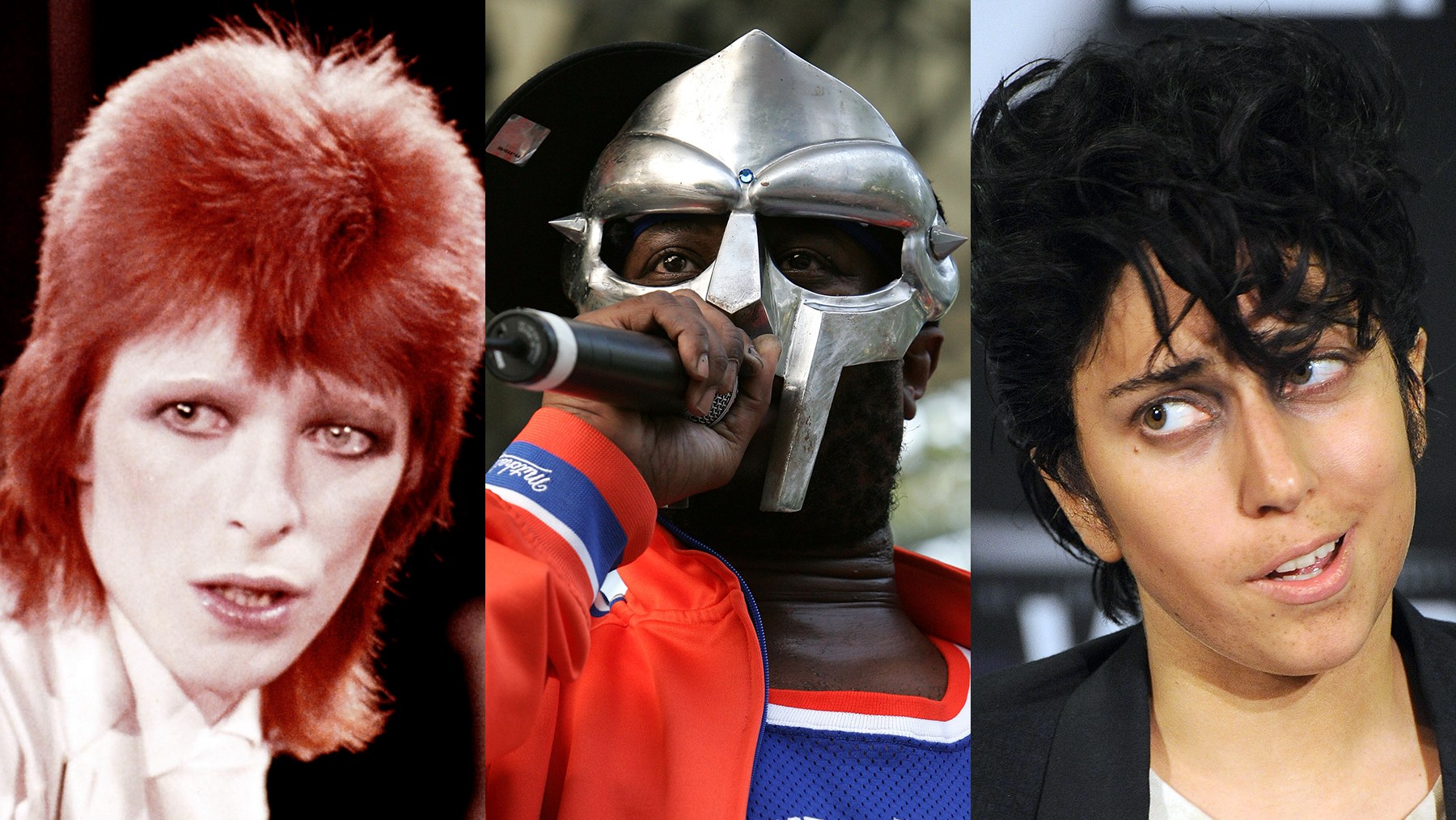
The dispute echoes a long history of musicians using alter egos. Rolling Stone's breakdown of music's alter egos documents the tradition across decades.
Take David Bowie's Ziggy Stardust era. In 1972, Bowie created a character that redefined pop music. An orange-haired omnisexual alien sent to save Earth by letting children boogie became one of rock's defining personas. When Ziggy dropped "Starman" on Top of the Pops with a blue guitar, it became an international phenomenon. Bowie himself told Rolling Stone about crafting "a totally credible, plastic rock & roll singer—much better than the Monkees could ever fabricate."
The line between legitimate alter ego, stage name, side project, and identity theft remains blurred. Madonna's English accent, for instance, occupied that grey space.
The Apa-Mr. Fantasy dispute raises a contemporary question: when does creative reinvention become something else? And will Mr. Fantasy become the next internet story to watch?
Either way, the alter-ego tradition continues. Musicians will pursue almost any avenue to create attention. Sometimes it works. Sometimes you get called out on TikTok.