When Konrad Zieliński lost his voice to cancer as a university student, he faced the same grim choice as thousands of laryngectomy patients: rely on flat, robotic handheld devices that sound like a 1980s GPS, or undergo risky surgeries with ongoing complications. He chose a third path, and it's about to shake an entire medical device category that's been virtually untouched since the 1990s.
According to TechCrunch, the Polish biotech founder launched Uhura Bionics in 2023 after completing a PhD in bionic systems. His flagship device, Whitney (named after Whitney Houston), is turning heads at TechCrunch Disrupt 2026 as part of the Startup Battlefield 200. Users can laugh, shout, and sing with it, not just recite words like a text-to-speech engine.
For decades, voice restoration was treated as a pure medical problem, "Can you make sound come out?" Whitney flips the question to "Can you express yourself?" A laryngectomee doesn't want to sound like Siri; they want to sound like themselves, with all the messiness that entails.
The device comes in two models: a $500 basic version and the $1,500 Whitney. Zieliński told TechCrunch that his vision is for Whitney to function like prescription glasses, so integrated into daily life that it simply is how you speak. That's a psychological reframing that medical companies rarely attempt.
The company is pushing for Class I medical device classification in Europe and the U.S., which would unlock insurance reimbursement. The addressable market for laryngectomees alone sits around $2 billion, but Zieliński sees bigger opportunity if Uhura expands to other speech disorders (Parkinson's, ALS, stammering). Atos Medical and startups like Laronix are in the space, but emotional voice technology has been overlooked.
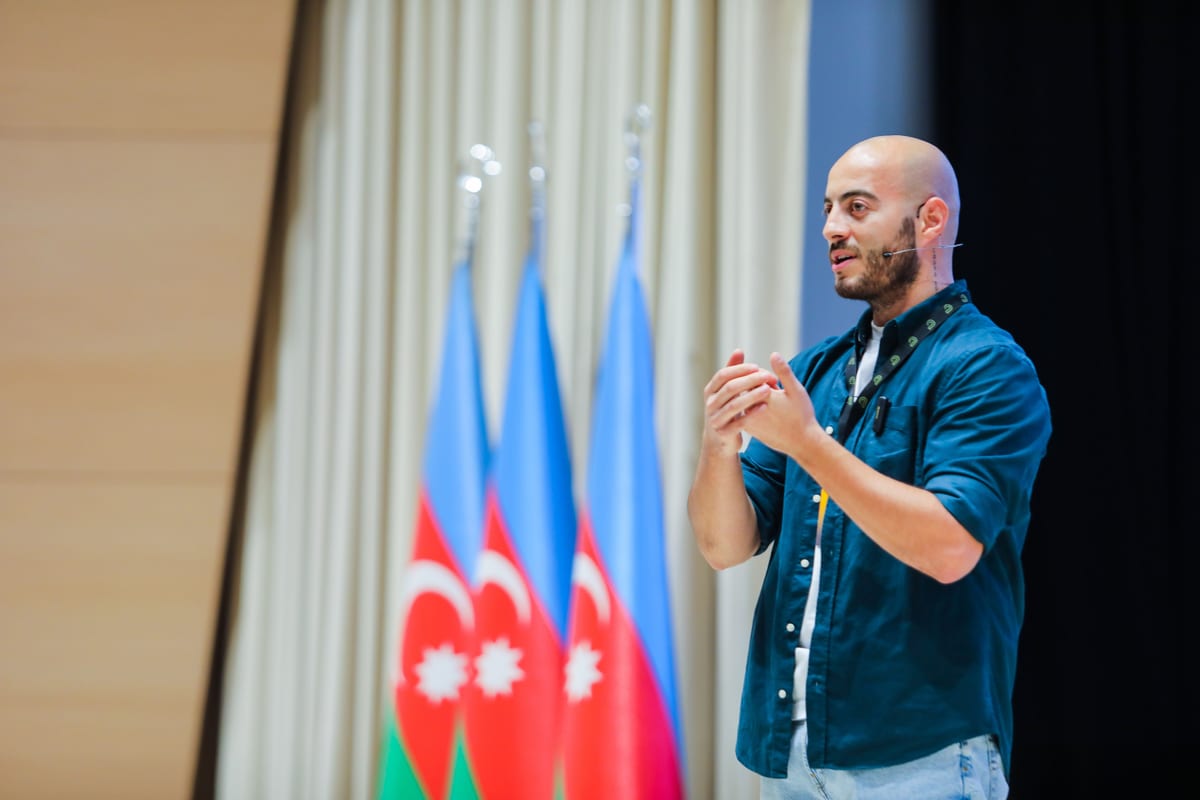
Zieliński will be singing onstage with Whitney at SF Tech Week in October. Not demonstrating. Not presenting slides. Singing. That single moment, a cancer survivor expressing joy through a device that nearly everyone wrote off as impossible, carries more weight than any pitch deck.
This is what happens when the founder is also the user. The product doesn't just solve a problem; it honors a life.