The biggest power battle in tech right now isn't between OpenAI and Google. It's happening inside every startup founder's head, and according to TechCrunch, Nvidia executives Nader Khalil and Sydney Sykes are about to put it all on the table at TechCrunch Disrupt 2026 this October.
The question sounds simple: do you build your AI product on a proprietary frontier model (fast, proven, expensive) or go with an open model (flexible, cheaper, but you own the infrastructure headache)? According to the source, it's a ruthless business decision that touches everything from your burn rate to your defensibility in a crowded market.
What makes this conversation urgent? Open models have advanced so quickly that the question isn't "can they work?" anymore, it's "where does each actually make financial sense?" Nvidia itself has rejected the either-or framing. CEO Jensen Huang argues the future is "proprietary and open," not one or the other. There's no escape hatch.
Here's where the real tension lies: if two models deliver nearly identical results, does the founder with the cheaper stack automatically win? Or does the founder with proprietary lock-in sleep better at night? And what happens when the best model shifts six months from now? You've just tethered your entire product roadmap to something that might be obsolete by Q2.
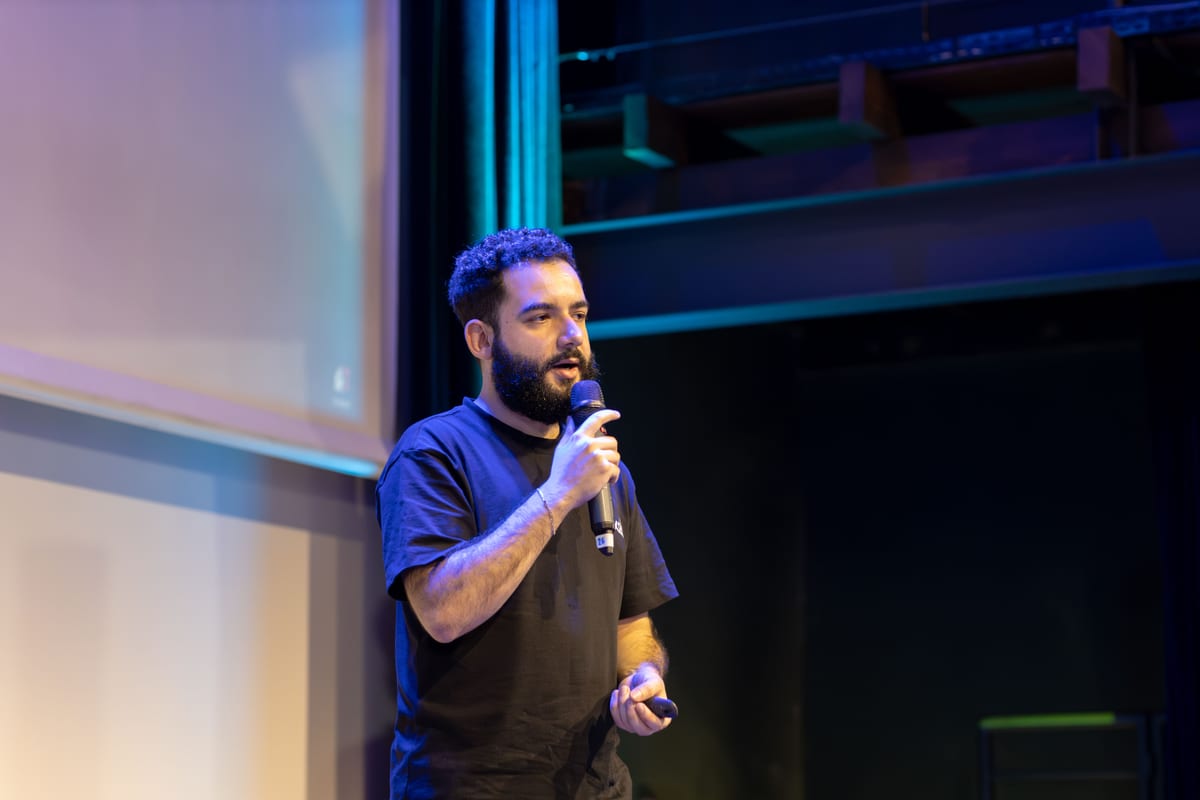
This is where Khalil (Director of Developer Tech at Nvidia) and Sykes (Global Head of VC Partnerships) come in. They're here to map the actual trade-offs founders face between cost, control, speed, and long-term differentiation. For a room of 10,000+ tech leaders, this is the decision that either funds your Series B or tanks it.
Open models have matured into legitimate alternatives. Meanwhile, proprietary labs keep pushing boundaries. Founders are stuck in paralysis, unable to commit because the landscape shifts faster than quarterly earnings reports.
TechCrunch Disrupt 2026 runs October 13-15 in San Francisco. Early-bird tickets save $200 before September 25.