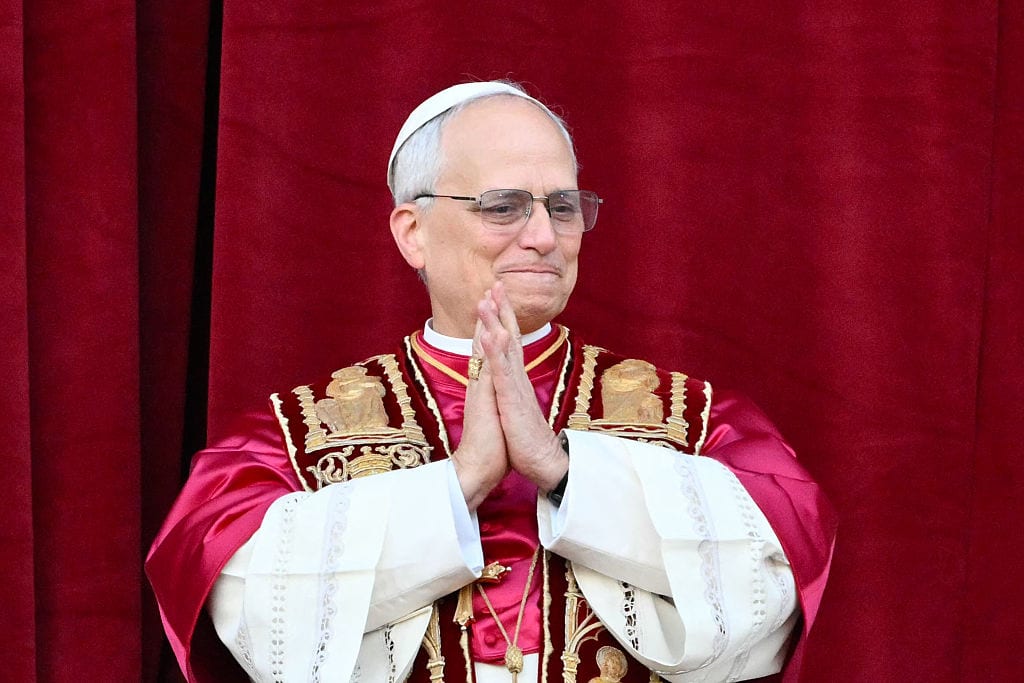
Pope Leo XIV published his first encyclical, Magnifica Humanitas, a 200-page document addressing "safeguarding the human person in the time of artificial intelligence." The text is not primarily about AI itself but an indictment of concentrated power among tech elites and their lack of accountability to the public.
The pope presented the encyclical alongside Chris Olah, co-founder of AI company Anthropic. Leo XIV argues throughout that technology built and governed by a small, unaccountable group cannot serve the common good.
"When such power is concentrated in the hands of a few, it tends to become opaque and evade public oversight, increasing the risk of distorted forms of development that give rise to new dependencies, exclusions, manipulations and inequalities," the pontiff writes.
The Vatican identifies how AI amplifies existing advantages for the wealthy. Tech billionaires use their platforms to "shape information and consumption patterns, influence democratic processes and steer economic dynamics to their own advantage," the encyclical states. The document points to cases such as changes made to Twitter and the flow of tech money into super PACs designed to block regulation.
Leo XIV's demands are explicit: end the AI arms race, require transparency, and reject the notion that "technical power automatically confers the right to govern." According to TechCrunch, Leo XIV revives an argument from Pope Leo XIII's 1891 encyclical on Industrial Revolution inequality and applies it to the digital economy.
The encyclical was published days after President Trump delayed signing his AI oversight executive order, reportedly under pressure from venture capitalist David Sacks.