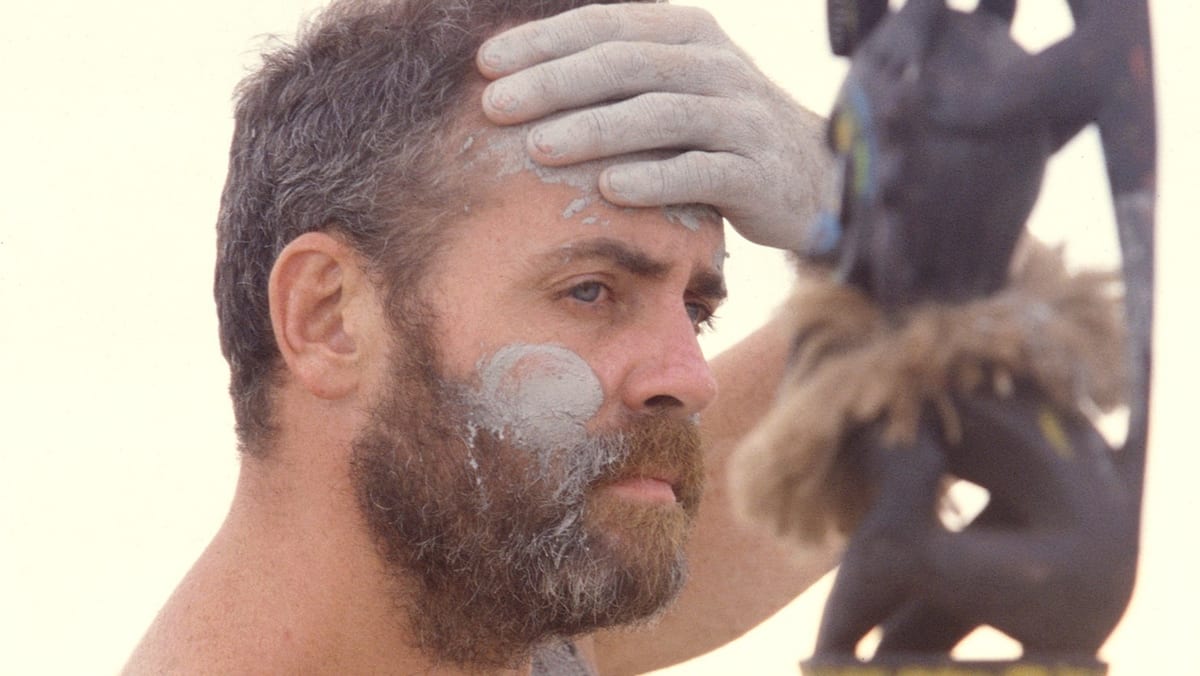
Richard Hatch walked into a CBS boardroom 26 years ago, didn't sit down, and told the executives exactly what they needed to hear: "You're gonna pick me. What you don't know is I'm gonna win." He was right. And more importantly, he was performing.
In a new Rolling Stone essay, Hatch reveals what lay behind his Survivor win: the game wasn't about being the best person — it was about being the best storyteller. "I wasn't just me; I was me beyond, me on steroids," he tells the outlet in an interview about his new book, Survivor Legends.
The casting director watched him take notes on other contestants in the lobby. He was already playing the game before it even started. Whether genius or sinister, the approach worked.
Hatch's playbook was simple: create alliances for power, sow discord among friends, make false promises to reshape the game. Today, these strategies are standard Survivor fare. Back in March 2000, they were shocking. But they worked because they told the best story, not the truest one.
Rolling Stone connects the dots between Hatch's reality TV manipulation and the political landscape of 2026 — a world where "ruthlessness and fraudulent fear-mongering can outperform decency and truth in the fight for power." The magazine argues that Survivor didn't just create a TV hit. It taught America that truth doesn't matter. Narrative does.
With Survivor's 50th season wrapping up, the original playbook is still alive in the game. But its real legacy is elsewhere — in boardrooms, in politics, in the way power actually works now. Hatch won a million dollars. The real prize was showing the world how to win by lying convincingly.
Did Survivor predict our future, or did it create it?