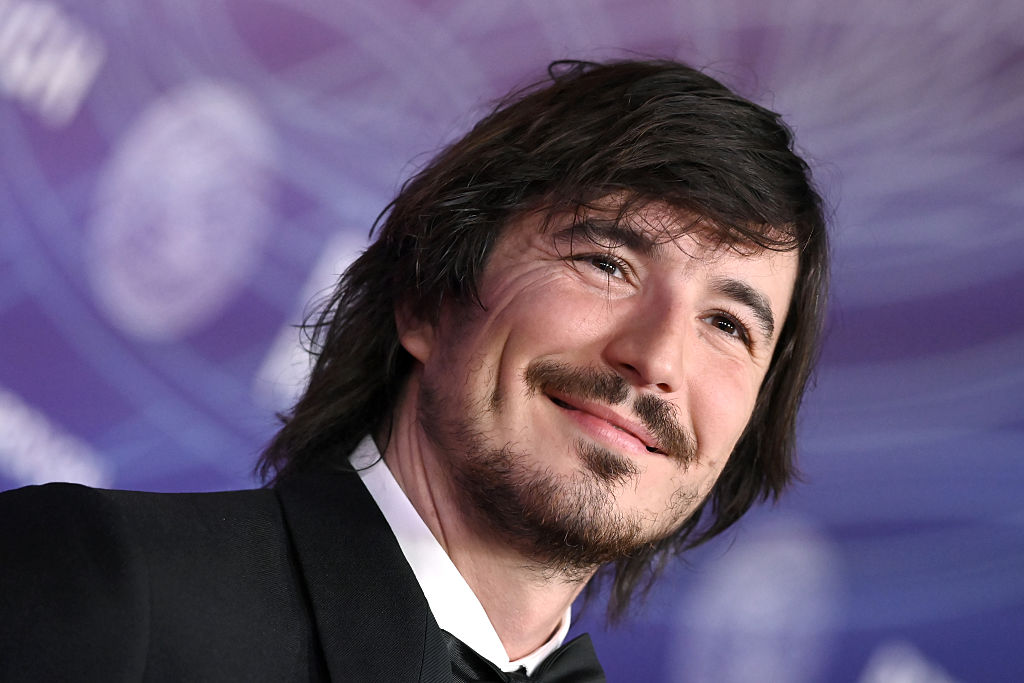
Vlad Tenev is on a roll. Just two months after watching his first venture fund debut on the stock market, the Robinhood CEO has filed confidentially for a second—and this time, he's going bigger and riskier.
According to TechCrunch, the new fund, RVII, will cast a much wider net than its predecessor. While Robinhood's first fund (RVI) focused on late-stage winners like Stripe, OpenAI, and Databricks, RVII is targeting growth-stage and early-stage startups. That means younger, riskier bets—but potentially larger returns.
The numbers tell the story. RVI debuted at $21 a share in early March and has since more than doubled to $43.69. That's the kind of stock pop that gets retail investors' attention. The AI rally is real, and Tenev is capitalizing on it.
The key difference: Robinhood is opening venture capital to ordinary investors. Traditionally, only accredited investors—millionaires, basically—get access to private startup deals. Tenev is changing that. "The aspiration is, if you're a company raising a seed round and a Series A round—so, just first capital—retail should be a big chunk of that round, much like it now is in the public market," he said at The Wall Street Journal's Future of Everything conference.
Unlike traditional VC funds that lock up money for years and take a percentage of profits, Robinhood's funds offer daily liquidity (buy and sell whenever) and zero carry fees. It's venture capital without the traditional gatekeeping.
The first fund aimed for $1 billion and fell "several hundred million short." That hasn't stopped the second one from moving forward. Market enthusiasm for AI is driving demand.
With RVII on the horizon, Tenev is expanding access to venture investing.