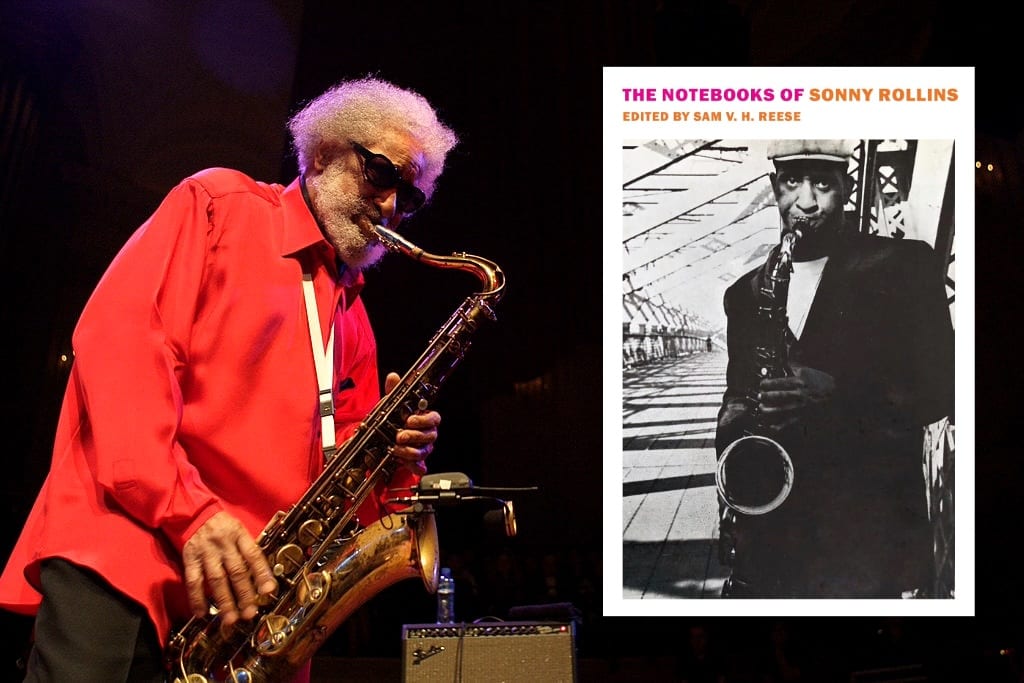
Sonny Rollins may have been hailed as one of jazz's greatest minds, but his own words tell a far more complicated story.
The Grammy Award-winning saxophonist's deeply personal notebooks have just been revealed, and they are unflinching. In one passage, Rollins wrote: "I face the startling and intriguing reality that there is within me a force working hard for my own destruction, even as I try to improve."
The Notebooks of Sonny Rollins—a collection spanning from 1959 to 2010 and released in April 2024—captures a man perpetually in conflict with himself. Yet this conflict fed his artistry.
Released by New York Review Books and edited by jazz scholar Sam V.H. Reese, the notebooks show Rollins' introspective side. The legendary musician once practiced for hours—sometimes through the night—on the Williamsburg Bridge, treating his saxophone as both weapon and therapy.
Inside those six boxes, now archived at the New York Public Library, are to-do lists, rehearsal notes, songwriting snippets, and reflections on racism, nightclub culture, and the search for meaning. But alongside the darkness lies a purpose.
"My one wish is to uplift and inspire people," Rollins wrote, believing the saxophone could guide humanity toward "a better and more beautiful world."
The notebooks are trending following Rollins' death last weekend, with fans and music critics rediscovering the man behind the myth. What emerges is a portrait of an artist who wrestled with his demons in the dark while creating light for millions.
For anyone wanting the full Rollins saga, there is also Saxophone Colossus: The Life and Music of Sonny Rollins (2022), featuring over 200 interviews. But the notebooks are the real record—unfiltered, anguished, and essential.