Steve Earle isn't mincing words: music doesn't just entertain—it transforms. In a candid new Rolling Stone feature, the legendary country-rock iconoclast discusses why American protest songs matter more than ever.
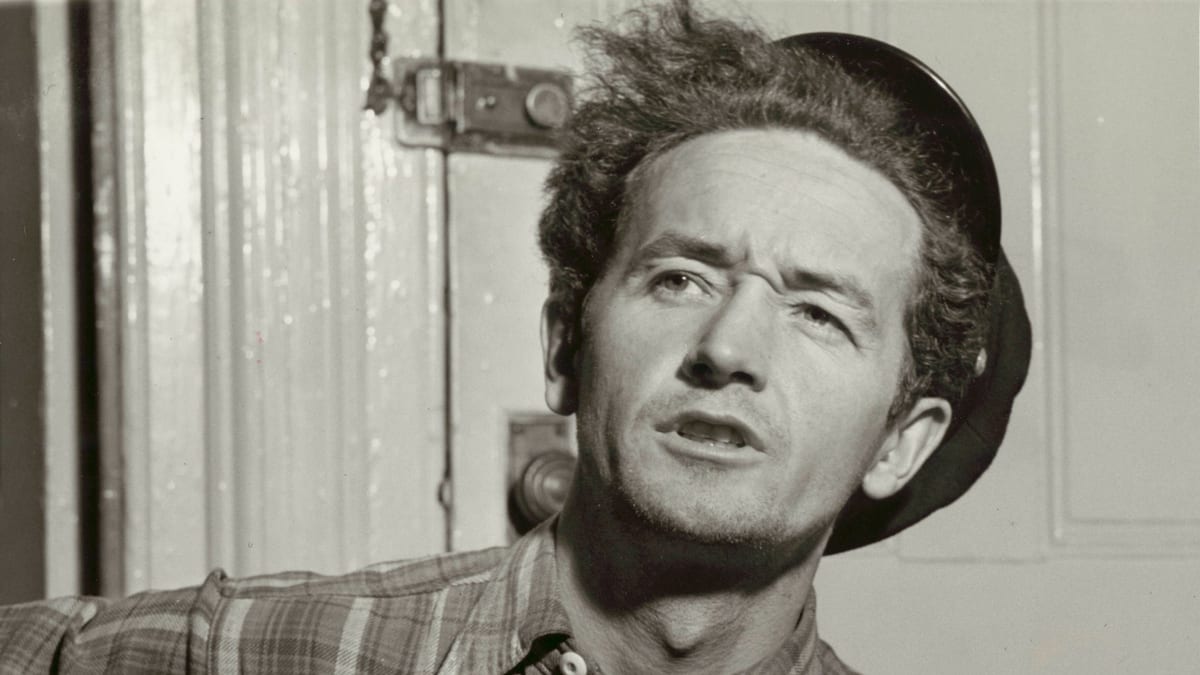
Bob Dylan called them "finger-pointing songs." Earle calls them essential. He traces the lineage from Woody Guthrie—a self-described socialist who soundtracked the Dust Bowl—through Bruce Springsteen and Neil Young, crediting the singalong as the secret weapon of dissent. "You can sing ideas that you can't say," Earle explains, "and people will process them differently and probably more positively than if you just tell them or make them read it off a printed page."
Earle's own journey into political songwriting began with "Christmas in Washington," a direct homage to Guthrie's radical legacy. Tim Robbins changed everything when he called asking for a song for Dead Man Walking. The result was "Ellis Unit One" and a string of death penalty ballads that shifted real minds. "People have come up to me and said, 'A song you wrote changed my mind about the death penalty,'" Earle recalls. "So you can't tell me music doesn't change the world."
His most controversial moment came with "John Walker's Blues," written from the perspective of John Walker Lindh, the American who joined the Taliban. "There wasn't an artist who didn't think I was crazy for doing it," he admits. But Earle saw a 20-year-old kid and wrote from empathy—a risky move that alienated some but resonated with others.
Neil Young nailed it with "Ohio"—a response to Kent State's tragedy that needed just a handful of words: "Four dead in Ohio." That's broadside writing. That's music as urgent journalism.