The waiting game for your favorite shows just got even more brutal. A new Ampere Analysis report confirms what fans have been complaining about for years: the gap between seasons of scripted TV shows nearly doubled during the first half of this decade.
The phenomenon — named after the Netflix series Stranger Things, which has become known for multi-year waits between releases — is no longer just fan frustration. It's now official data.
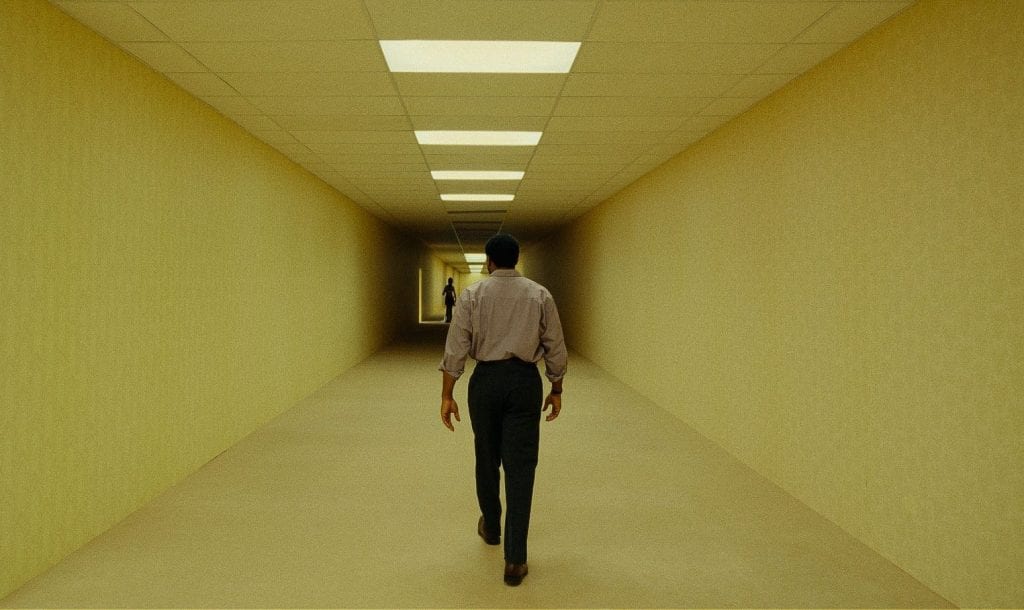
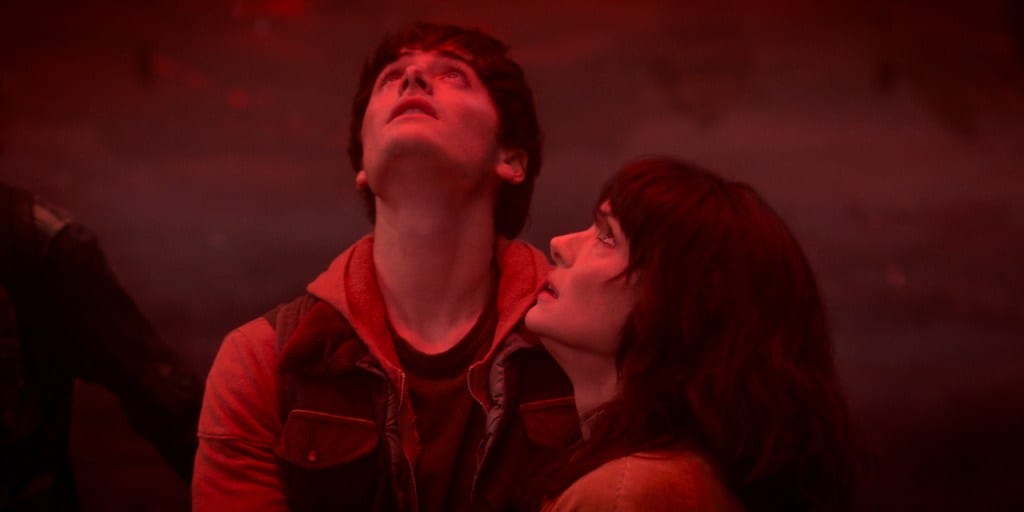
Shows like Severance, Wednesday, and Stranger Things itself have left audiences waiting years for the next chapter. The research suggests this isn't a fluke or a coincidence. It's become the industry standard.
Ampere Analysis suggests this might not be bad for business. Longer gaps between seasons could be building anticipation rather than eroding it. But try telling that to the legions of fans who've refreshed streaming apps monthly, counting down the days.
Smaller writer and production crews, post-pandemic scheduling chaos, and the sheer scale of modern television production all play a role in longer waits between seasons. For viewers who remember binge-dropping entire seasons within weeks, it's a significant change.
Whether this trend benefits the industry remains debated among insiders. What's clear: the multi-year gap between seasons has become standard practice, and audiences are adjusting to longer waits.