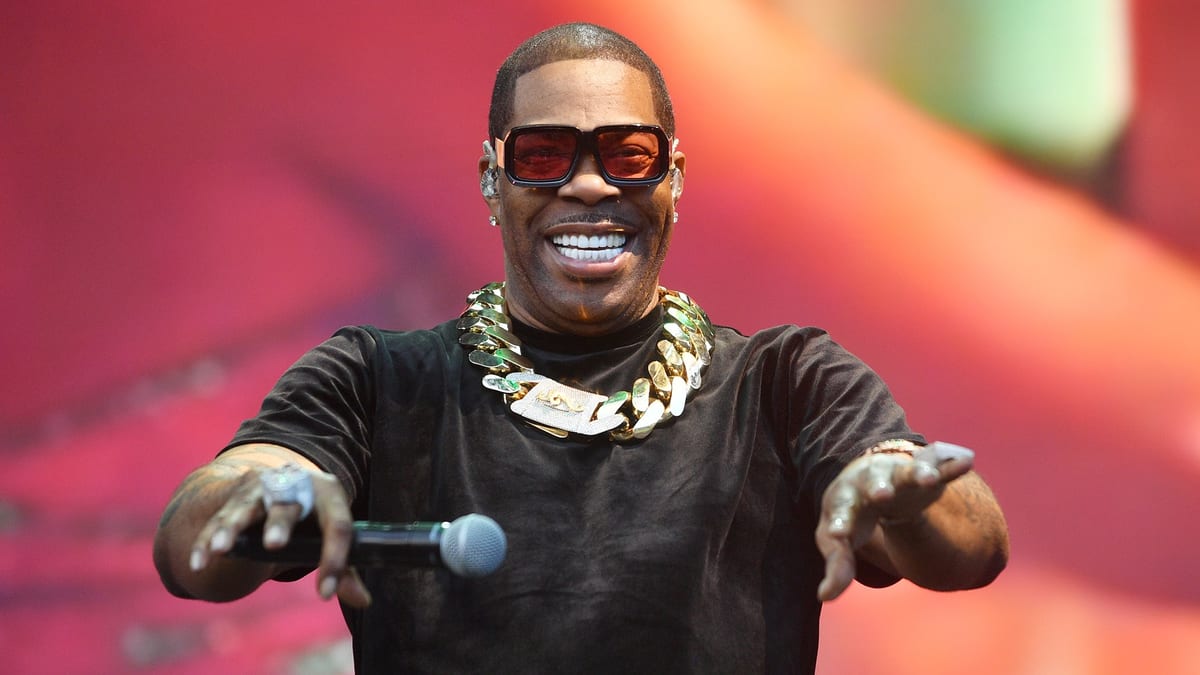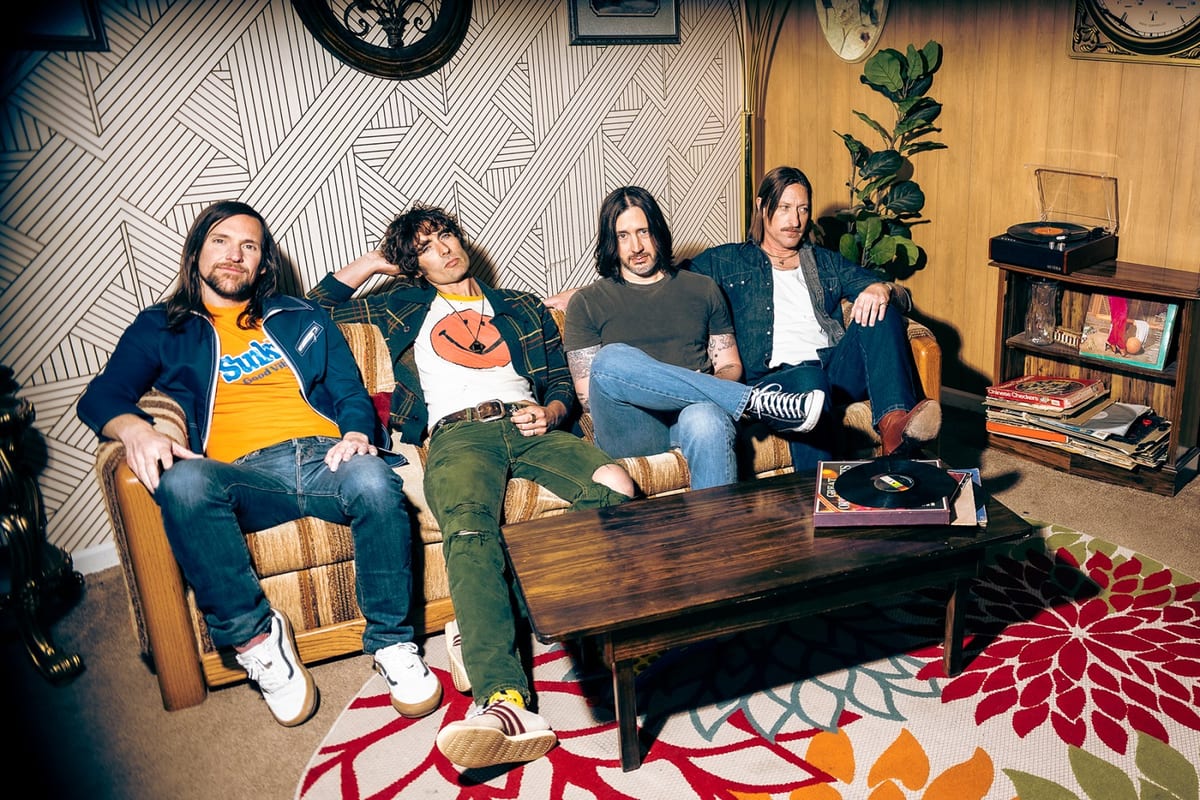
The Kid Mero is ready to give bodegas the tribute they deserve. In a feature for Rolling Stone, the Bronx native and Bodega Boys podcast co-host describes corner stores as cultural monuments—places where neighborhood life happens.
"The bodega is like the United Nations to me," Mero says, describing them as central landmarks and meeting grounds that function like the general stores of old Western films. These aren't faceless corporate chains. They're owned by real people living down the block, many of them immigrant families running multi-generational businesses passed down from grandfather to father to son.
Bodegas are everything to their communities. Mero recalls his mother sourcing cilantro, onions, platanos, and potatoes entirely from the bodega, turning it into a lifeline in food deserts where options are scarce. The bodega operates as grocery store, rec center, and community bulletin board.
"There's an exchange of good energy and love that you can't replicate with a 7-Eleven," Mero says. He's witnessed birth announcements, wedding invitations, and baby pictures pinned behind plexiglass alongside framed first dollars earned—visual proof of families' ability to build lives and send money home to their countries of origin.
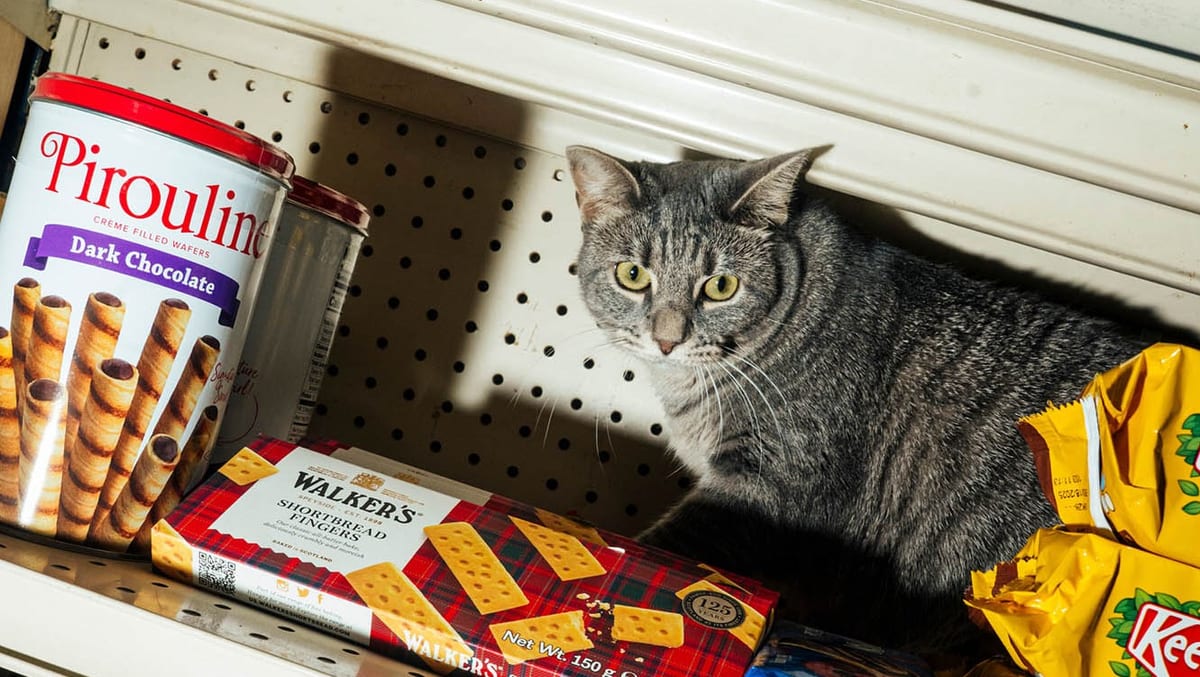
Then there's the bodega cat. "Every bodega has a cat," Mero notes. These feline sentinels serve as bouncers, pest control, and symbols of the bodega's scrappy, self-sufficient ethos.
His Bodega Boys podcast captures this—unfiltered conversations about Yankees lineups, playoff drama, and impromptu geopolitical debates with regular people, not media personalities. That's the real currency of the bodega: authentic community.
Mero's message is simple: "The bodega owner depends on us, and we depend on them." It's symbiotic and worth celebrating.