
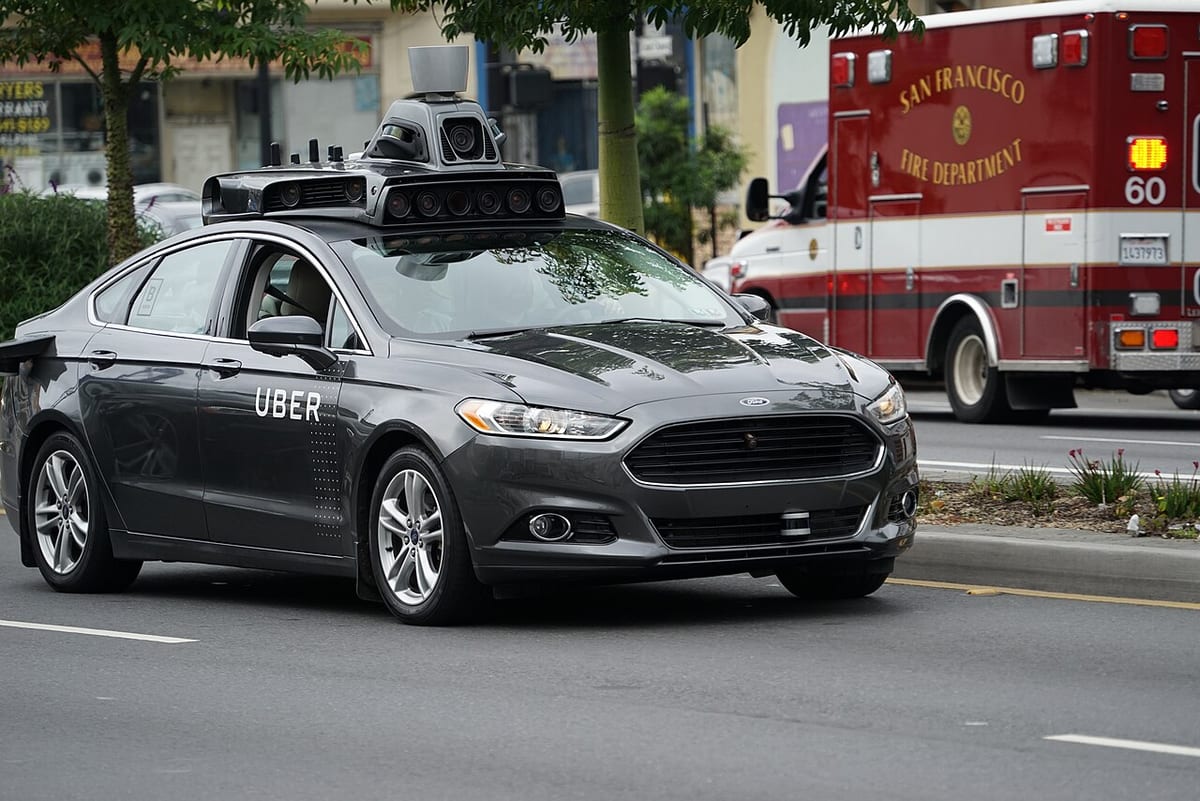
Uber is now offering "Recorded Rides" as a bookable option in several U.S. cities, trips where drivers have voluntarily enabled the company's "Record My Ride" feature, which captures the entire journey using the driver's phone camera.
The pilot is live in Baltimore, Raleigh, Indianapolis, and St. Louis right now, with expansion planned. Uber is testing the feature specifically for late-night bookings and rides involving teenagers, the scenarios where both riders and drivers might feel most vulnerable.
This is not Uber's first safety-focused surveillance experiment. Earlier this year, the company introduced live video streaming for teen passengers. It has also tested audio recording on late-night trips in select cities. Now it is adding another layer: automatic recording triggers if the app detects a vehicle going off-route or potentially being in an accident.
The Trust Question
What Uber is not emphasizing is what this reveals about ride-sharing safety. After years of high-profile incidents, assault allegations, driver misconduct, passenger disputes, neither riders nor drivers trust each other without proof. Recording is Uber's answer to that erosion: if everything is on camera, everyone is protected.
But surveillance cuts both ways. Riders get protection from driver misbehavior. Drivers get protection from false accusations. Yet both are surrendering privacy in a vehicle that is increasingly not their own. For riders and drivers concerned about data security, Uber's recording infrastructure needs clarity about where footage is stored, who accesses it, and under what conditions.
The company says drivers can opt out through Settings, and riders can decline recording via in-app notification. But opt-out features only work if users actually know they exist and use them. Most people will not dig through settings, they will just take the ride.
Uber is betting people will prefer recorded rides once they are normalized. The feature appears as a bookable option, not a default everyone receives. That suggests Uber expects some riders to actively select recorded trips as a safety upgrade worth the privacy trade-off. Whether that actually happens will show where riders stand right now.