
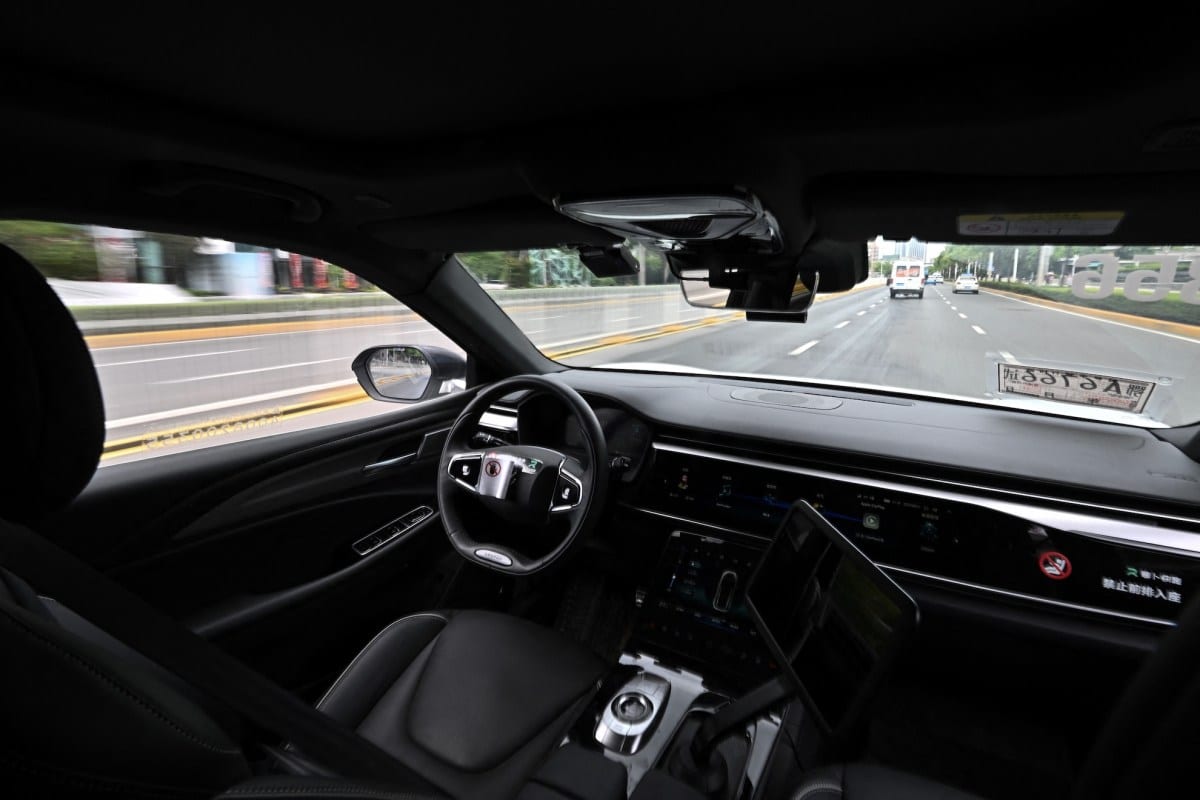
The race for robotaxi supremacy just got a reality check — and Waymo isn't winning anymore.
A benchmarking system called the Road to Autonomy Index, developed by advisory startup Autnmy AI, has reshuffled the self-driving car leaderboard. The platform uses generative AI to scan global public databases, SEC documents, and state reports in real time, updating every 12 hours.
China's Baidu Apollo Go program has edged past Waymo to claim the top robotaxi spot. Not by much, but enough to register.
Waymo, Google's autonomous vehicle subsidiary, has fallen to second place. Pony.ai and WeRide, both Chinese companies, follow. Tesla, despite its self-driving push, sits in fifth position.
The index evaluates companies on operations, scale, revenue, commercial partnerships, manufacturing, and safety records — drawing only from verified public data sources. Co-founder Rob Grant said: "We don't scrape information. If it's publicly available or licensed, we use it."
China's stronger performance across multiple autonomous vehicle categories caught Grant's attention. The index ranks robotaxis, autonomous truck operators, and delivery robot companies.
Texas is becoming the proving ground for this competition. Waymo, Tesla, and Zoox are all expanding fleet deployments in the state. As of May 28, Waymo had 577 autonomous vehicles registered there.
Zoox cannot charge customers yet. The company has custom-built robotaxis on the road but is waiting for federal exemption to operate commercially.
The scorecard answers a question the industry has debated for a decade: Who is actually winning the autonomous vehicle race? The answer appears to have surprised many.