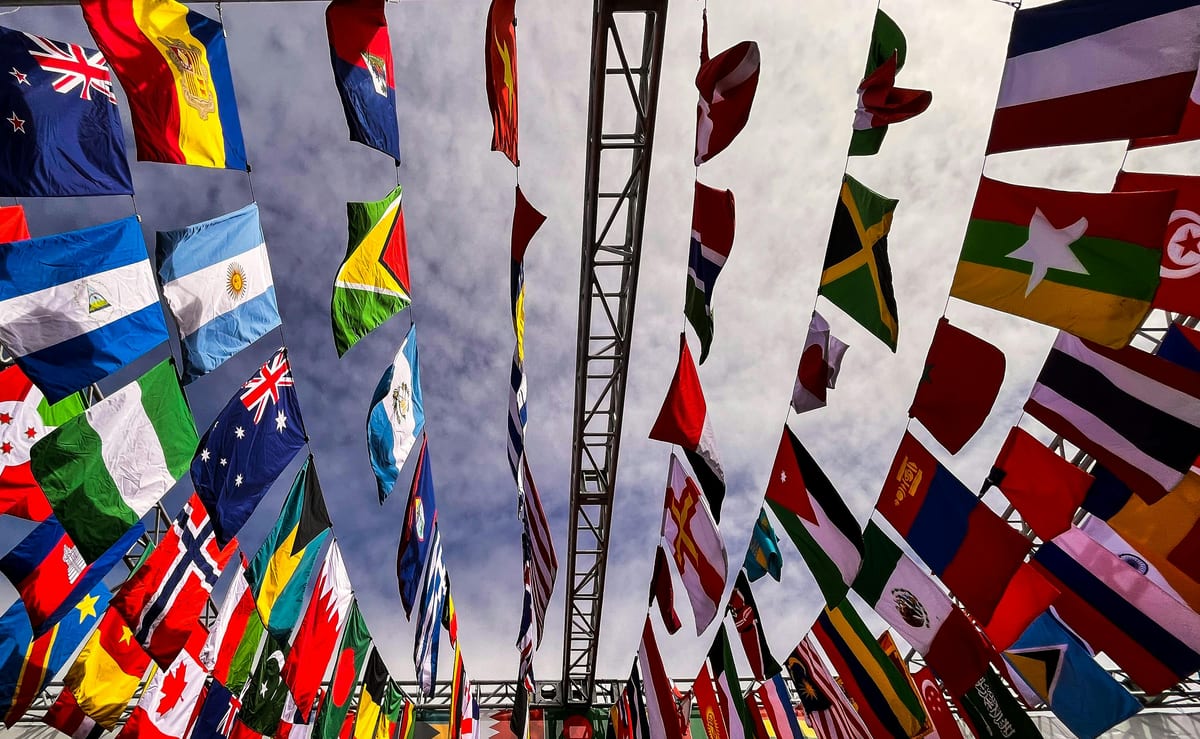
Urban planners across the Global South are reshaping how cities address informal settlements. A new UN report documents successful housing interventions from Thailand to Jordan, from Brazil to Germany, where residents once facing eviction are now rebuilding their communities with state support. The findings validate approaches that prioritize community participation over displacement.
The report's central claim—that upgrading informal settlements produces better outcomes than demolition—carries weight for countries grappling with massive urban housing challenges. In Brazil, favelas are being systematically improved rather than razed, while Thailand has pioneered community-led housing cooperatives that give residents ownership stakes in their neighborhoods. These interventions share a common thread: they treat informal settlements as assets to be developed, not problems to be eliminated.
Community Ownership Drives Sustainable Solutions
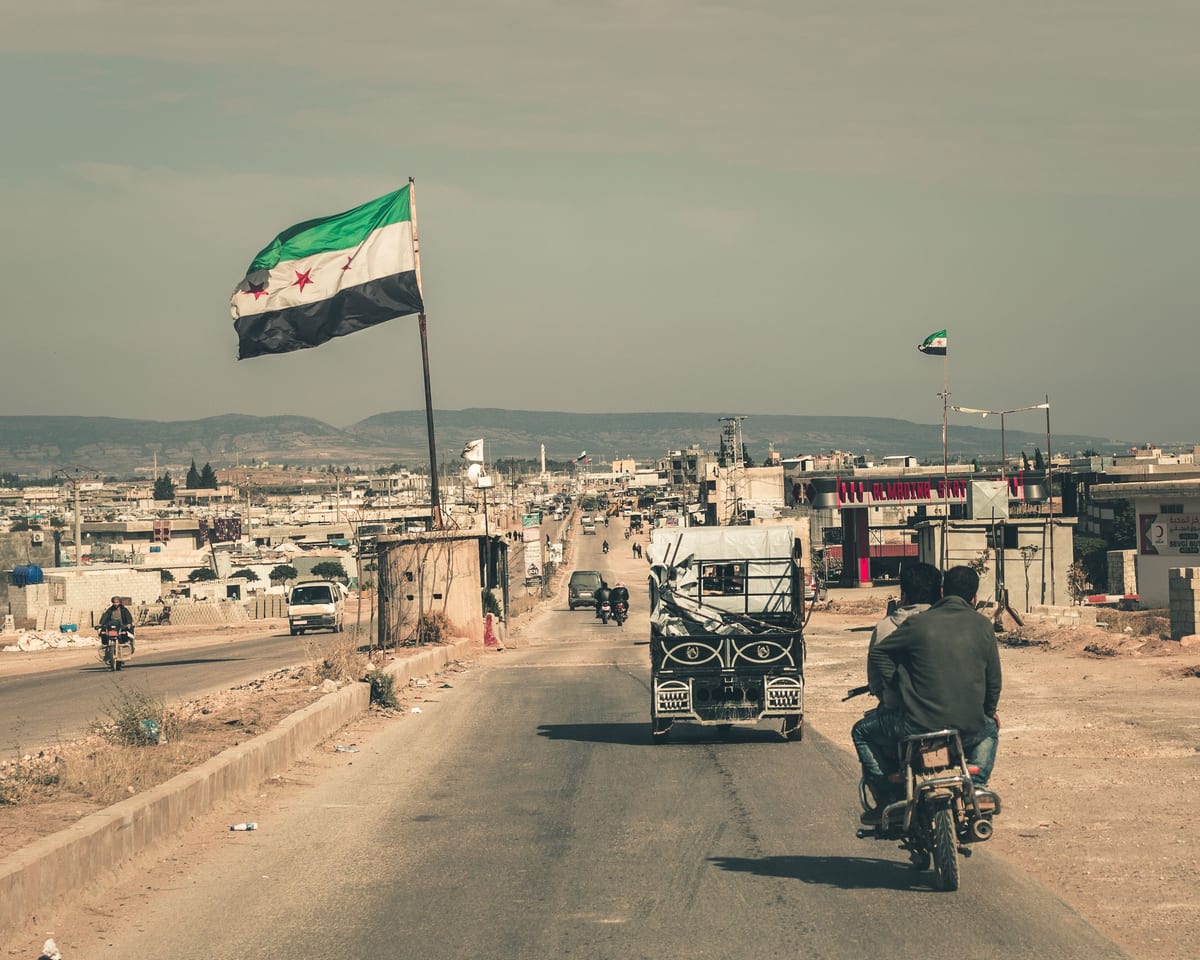
The most striking finding emerges from projects where residents become active participants in redesigning their neighborhoods. In Jordan's refugee camps, host communities and displaced populations are collaborating to transform neglected urban spaces into greener, safer environments. This participatory model produces more durable results than top-down interventions, according to the UN analysis.
Germany's approach to rent stabilization offers another dimension to housing security. Rather than focusing solely on construction, German cities are implementing market interventions that prevent displacement through gentrification—a challenge that extends far beyond the developing world. The combination of supply-side construction and demand-side regulation provides a comprehensive framework for housing stability.
These international examples mark a fundamental shift in urban development thinking. The old model of slum clearance followed by relocation to peripheral housing projects has given way to strategies that acknowledge the economic and social value embedded in existing informal settlements. Residents maintain their proximity to employment opportunities while gaining access to basic services and security of tenure.
India's Policy Framework Finds International Validation
The UN report's emphasis on in-situ development aligns directly with India's current housing policy direction. India's urban development programmes have consistently prioritized upgrading existing settlements over forced relocations, recognizing both the human cost of displacement and the economic inefficiency of starting from scratch. Informal settlements function as economic ecosystems within larger urban systems.
Indian policymakers have long recognized that informal settlements often occupy strategically valuable urban land precisely because residents need proximity to employment opportunities. Relocating these communities to distant peripheral areas disrupts livelihoods and frequently leads to residents abandoning allocated housing to return closer to economic opportunities. The international success stories documented in the UN report validate this analytical framework.
The participatory elements highlighted in Brazil's favela upgrades mirror the community engagement processes that Indian housing programmes have institutionalized. When residents become stakeholders in redevelopment rather than passive beneficiaries, projects achieve higher completion rates and better long-term maintenance. This community ownership model has proven effective across diverse cultural and economic contexts.
Scaling Proven Models Across Urban India
The international best practices documented in the UN report offer specific technical innovations that could enhance India's urban development programmes. Thailand's housing cooperative model, which gives residents collective ownership of upgraded properties, could address tenure security challenges that persist in some Indian slum rehabilitation projects. The cooperative structure creates sustainable financing mechanisms while maintaining community cohesion.
Brazil's systematic approach to infrastructure integration—connecting upgraded settlements to citywide water, sanitation, and transportation networks—provides a template for comprehensive urban inclusion. The Brazilian model demonstrates how informal settlement upgrades can become catalysts for broader neighborhood improvement, benefiting surrounding areas through improved infrastructure and reduced environmental hazards.
Germany's rent control mechanisms offer insights for managing housing affordability in India's rapidly growing cities. While India's housing challenge operates at a different scale and income level, the principle of combining new supply with market regulation to prevent displacement has broad applicability. Indian cities experiencing rapid gentrification could adapt these regulatory tools to protect existing communities while encouraging development.
Regional Cooperation and Knowledge Transfer
The UN report's global scope suggests opportunities for enhanced South-South cooperation on urban development. India's experience with large-scale housing programmes could provide valuable insights for other developing countries, while Indian planners could benefit from studying the community participation models pioneered in Thailand and Brazil.
The timing of these international developments coincides with India's ongoing urban transformation initiatives across hundreds of cities. As India continues urbanizing at an unprecedented pace, the international validation of community-centered development approaches provides confidence for maintaining current strategic directions while incorporating proven innovations from global experience.
The report's findings suggest that sustainable urban development requires balancing multiple objectives: providing adequate housing, maintaining community networks, ensuring economic access, and creating environmental sustainability. The countries that have achieved the most durable results are those that have treated these objectives as complementary rather than competing priorities.
For Indian policymakers, the international evidence reinforces the approach of treating informal settlements as communities with assets to be developed rather than problems to be solved. The challenge lies not in choosing between upgrading and new construction, but in implementing both strategies in ways that strengthen urban communities rather than fragmenting them. The global experience documented in this UN report provides a roadmap for achieving that balance at the scale India requires.