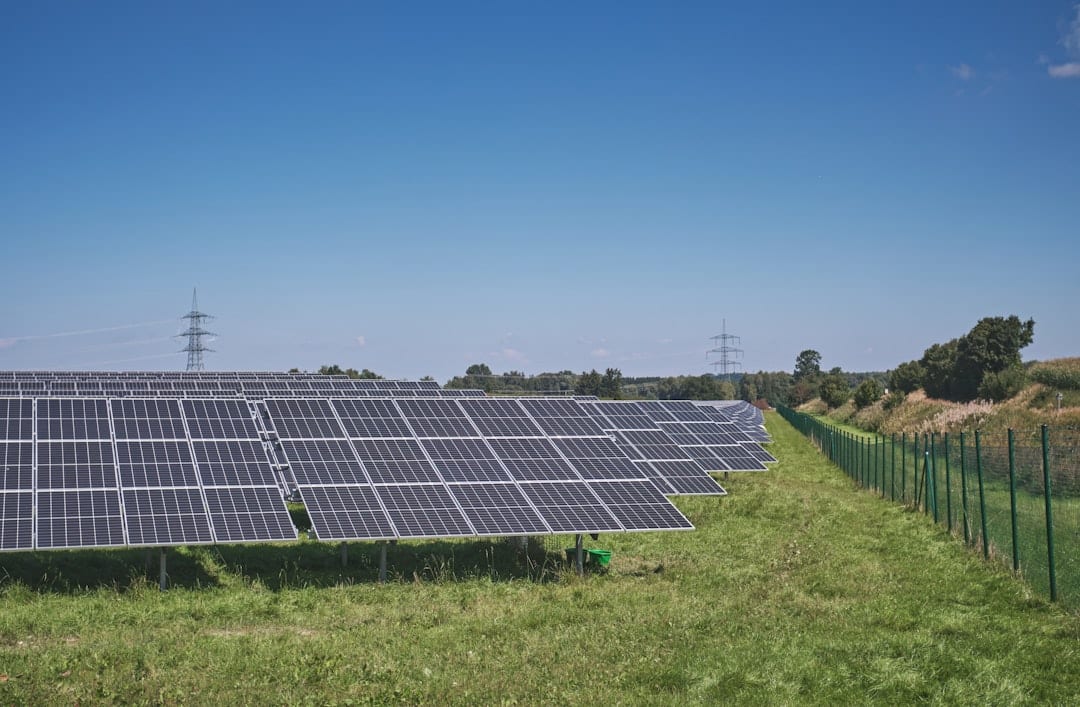

The International Finance Corporation's $105 million commitment to Hygenco Green Energies shows that multilateral institutions are confident in India's capacity to lead the global energy transition. The World Bank Group arm's decision to anchor this investment round alongside Siemens Financial Services and specialized climate funds demonstrates institutional backing for India's emerging green hydrogen infrastructure.
The funding targets multiple commercially attractive green hydrogen projects across India, scaling supply chains to deliver "zero-emission green molecules" to hard-to-abate industrial sectors. India is positioning itself as the manufacturing hub for clean industrial feedstock that could reshape global supply chains. The investment's structure—flowing to a holding company platform that will mobilize additional private sector capital at the asset level—is designed for rapid scaling.
Validation of National Strategic Vision
India's National Green Hydrogen Mission, launched with substantial government backing, aimed to establish the country as a global production and export hub by 2030. The IFC investment provides external validation of this strategy. Multilateral development finance institutions base their commitments on detailed technical and financial assessments, unlike domestic policy announcements or bilateral agreements.
The timing reinforces India's positioning. As global industries face mounting pressure to decarbonize supply chains, India offers abundant renewable energy resources, established industrial capacity, and supportive regulatory frameworks. The government's decision to waive inter-state transmission charges for renewable energy used in green hydrogen production creates cost advantages that the IFC consortium can leverage for commercial viability.
Industrial Supply Chain Architecture
Hygenco's business model centers on delivering "Hydrogen-as-a-Service" to industrial customers—an approach that could reshape how India's manufacturing sector accesses clean energy inputs. Traditional industrial hydrogen production relies on fossil fuel feedstocks; green hydrogen produced from renewable electricity offers a pathway to decarbonize sectors like steel, cement, and petrochemicals without requiring massive capital investments from end-users.
The company projects creating over 1,000 direct jobs over five years, with broader indirect employment across the green hydrogen value chain. These projections align with India's broader manufacturing strategy, creating skilled industrial jobs in emerging technology sectors while reducing dependence on imported fossil fuels.
For India's industrial customers, the service model offers risk mitigation. Rather than investing in unproven green hydrogen production technology, manufacturers can access clean molecules through supply agreements that transfer technical and operational risks to specialized providers like Hygenco. This division of labor accelerates adoption while building the domestic expertise necessary for technology transfer and indigenous innovation.
Geopolitical Energy Positioning
The investment's implications extend beyond domestic industrial policy to India's energy geopolitics. As global supply chains increasingly prioritize carbon-neutral inputs, countries that can reliably produce and export green hydrogen gain significant strategic leverage. India's approach—combining domestic consumption with export potential—positions the country as both a manufacturing hub and a critical supplier in the global clean energy transition.
The IFC's involvement provides strategic value through its connections to international development finance networks. Success in India's green hydrogen sector, backed by World Bank Group credentials, strengthens India's position in climate finance negotiations and bilateral clean energy partnerships. The multilateral endorsement provides credibility that pure private sector investments cannot, particularly when engaging with European and developed-market partners focused on supply chain sustainability.
This credibility is especially valuable as India navigates complex energy partnerships with multiple global powers. The country's ability to attract patient capital from established international institutions for clean energy projects reinforces its strategic autonomy—demonstrating that India's energy transition can proceed through diversified financing sources rather than dependence on any single bilateral relationship.
Commercial Viability Beyond Subsidies
The investment structure suggests that India's green hydrogen sector is approaching commercial viability independent of government subsidies. While the National Green Hydrogen Mission provides important policy support, the IFC consortium's $105 million commitment reflects confidence in market-driven returns rather than policy-dependent outcomes.
This transition from subsidy-dependent to commercially viable clean energy represents a significant milestone in India's industrial development. Early renewable energy investments required substantial government support; the evolution toward market-driven green hydrogen investments suggests that India's clean energy ecosystem has achieved the scale and sophistication necessary to attract international capital on purely commercial terms.
The combination of established industrial demand, supportive regulatory frameworks, and competitive renewable energy costs creates conditions where green hydrogen can compete with fossil fuel alternatives without requiring permanent government intervention. For international investors, this represents genuine investment opportunity rather than development aid—a distinction that attracts vastly more capital over time.
Strategic Infrastructure Development
The success of investments like the Hygenco commitment depends heavily on India's ability to develop complementary infrastructure for green hydrogen production, storage, and distribution. The country's existing industrial infrastructure provides important advantages, but green hydrogen requires specialized handling and transportation systems that differ from conventional energy infrastructure.
India's approach to infrastructure development—combining public sector capacity building with private sector innovation—creates opportunities for integrated development that serves both domestic consumption and export potential. Ports, storage facilities, and transportation networks designed for green hydrogen can serve dual purposes, supporting domestic industrial transformation while building export capabilities.
The IFC investment signals international confidence in India's capacity to develop this infrastructure effectively. Multilateral development finance institutions evaluate not just individual projects but the broader institutional and infrastructural context that determines long-term success. The World Bank Group's commitment reflects a positive assessment of India's overall approach to clean energy infrastructure development.
For Indian policymakers, the investment provides both validation and responsibility. International confidence in India's green hydrogen potential creates opportunities for additional foreign investment and technology partnerships, but also establishes expectations for sustained policy support and infrastructure development that matches the sector's growth trajectory.