The Launch
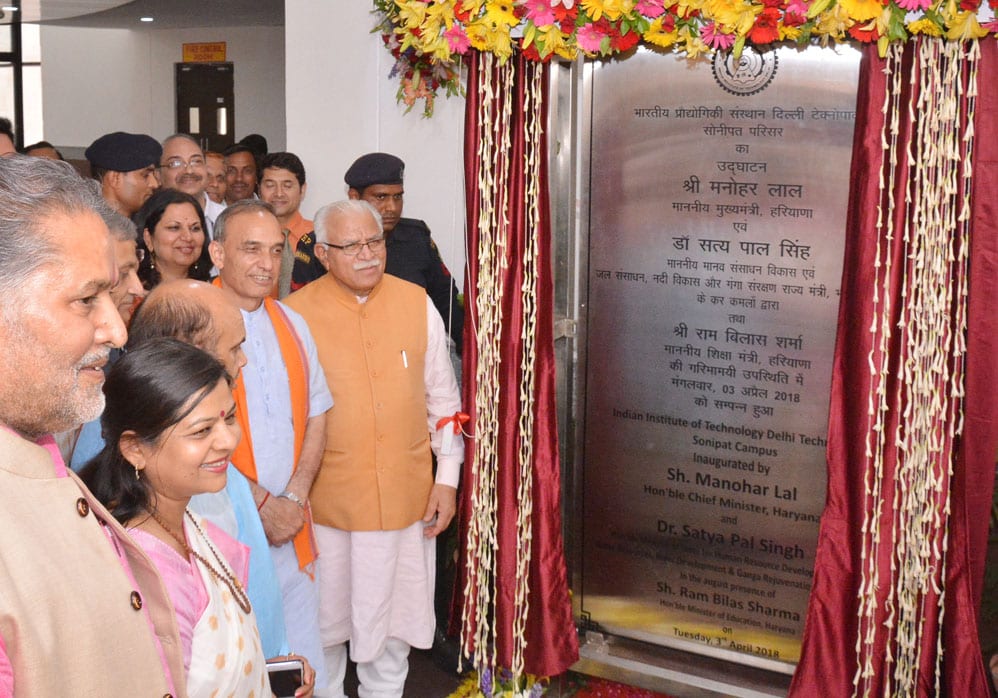
IIT Delhi has launched its first academic programme at the Sonipat campus: a one-year postgraduate diploma in Solar Systems and Management. The course includes an internship in Europe, India Today reported. The announcement on September 4 makes Sonipat the newest IIT Delhi satellite to offer a credential, moving the campus from planning documents into classroom delivery.
The diploma combines solar technology with management training. It targets graduates who want to enter solar project development, operations, or policy. The announcement did not disclose which European institutions will host the internships or how students will be selected. That omission matters because the internship is what sets the course apart from existing solar engineering programmes.
The Skills Gap the Course Targets
India's solar build-out faces a staffing constraint that receives little attention next to module prices and land acquisition. Panels and inverters are available, but a solar project cannot be commissioned without people who can manage tenders, negotiate power purchase agreements, and oversee grid compliance. Indian engineering colleges have long taught photovoltaic science, but the management layer is thinner. A diploma that packages project finance, regulatory affairs, and solar operations into one year addresses that gap.
The choice of Sonipat is deliberate. The campus sits within the National Capital Region's industrial belt, close to developers, financiers, and policy offices in Delhi. A professional diploma there can draw adjunct faculty from companies and regulators who are unlikely to travel to a remote campus. IIT Delhi has not stated this as a reason, but the location logic holds.
The government's rooftop-solar drive illustrates the scale. Every district that adds rooftop capacity needs local coordinators who can inspect sites, verify net-metering, and manage subsidy disbursement. A postgraduate diploma at an IIT campus will not produce those coordinators directly, but it can produce the trainers and programme designers who build state-level certification courses. The Sonipat programme, if it develops open-access teaching material, could seed those courses without requiring every student to move to Haryana.
What the Europe Internship Adds
An internship in a mature European solar market offers exposure to standardised contracts, grid codes, and performance guarantees. In those markets, two decades of policy experimentation have produced standardised project documentation and risk-allocation practices. Indian students who spend a few months inside that system return with templates and habits that are harder to teach in a Haryana classroom. The internship is a compressed apprenticeship in how mature markets allocate risk.
The cost question remains open. European internships are expensive, and unless scholarships or industry sponsorships are built in, the programme could skew toward students who can self-fund. That is not unique to IIT Delhi; it is the structural problem of any credential with an international component. The institute could tie internships to developer-funded projects or bilateral clean-energy partnerships, but the initial announcement offered no such detail.
Replication and the IIT System
The choice of solar as the campus's first degree is deliberate. IIT Delhi has built research strengths in energy systems over the years, and the Sonipat campus offers room for applied training that the main Delhi campus cannot easily provide. Launching with a professional diploma, rather than a research degree, signals that Sonipat will serve industry needs quickly. That differs from an IIT system that often prioritizes theory, but it mirrors what employers have been asking for: graduates who can walk onto a solar site and manage it.
A single one-year diploma will not fill India's solar workforce gap. It can set a curriculum template that other IITs and state engineering colleges adapt. The institute could publish course modules, case studies, and model contracts, and link the diploma to a national credit framework so students can stack it toward a master's degree. Those are institutional decisions, not classroom decisions. The launch is the first step; replicability will determine whether Sonipat becomes a hub for energy-transition education or remains a satellite with a single professional programme.
For Indian solar developers, the diploma signals a widening talent pipeline. Companies often hire electrical engineers and train them for project finance and regulatory work on the job. A credential that packages that training in one year shortens the learning curve and makes Indian firms more competitive for cross-border tenders, particularly in the Gulf and Africa where solar contracting is expanding. The small group of students who complete the Europe internship may also become a professional network linking Indian and European solar markets, which is an asset for developers.
What to Watch
The Sonipat launch is a small event compared to a gigawatt-scale solar park, but it points at the bigger bottleneck: skilled people. India can finance panels and transmission lines, but the energy transition stalls without project managers, contract negotiators, and grid specialists. If IIT Delhi's model proves portable, the next generation of solar professionals will arrive with the management expertise that current fast-track hires often lack. That is the quiet infrastructure behind India's energy goals.