There is a particular quality to a one-kilogram defeat that a ten-kilogram defeat does not possess. Ten kilograms is a gap; one kilogram is a conversation. When Lovepreet Singh stepped off the platform in Glasgow on Friday with a total of 388kg — a silver medal in the men's +110kg category at the Commonwealth Games 2026 — he left behind that single kilogram as a kind of measuring instrument. How India's sporting institutions read that instrument will matter far more than the medal itself, which is already exceptional.
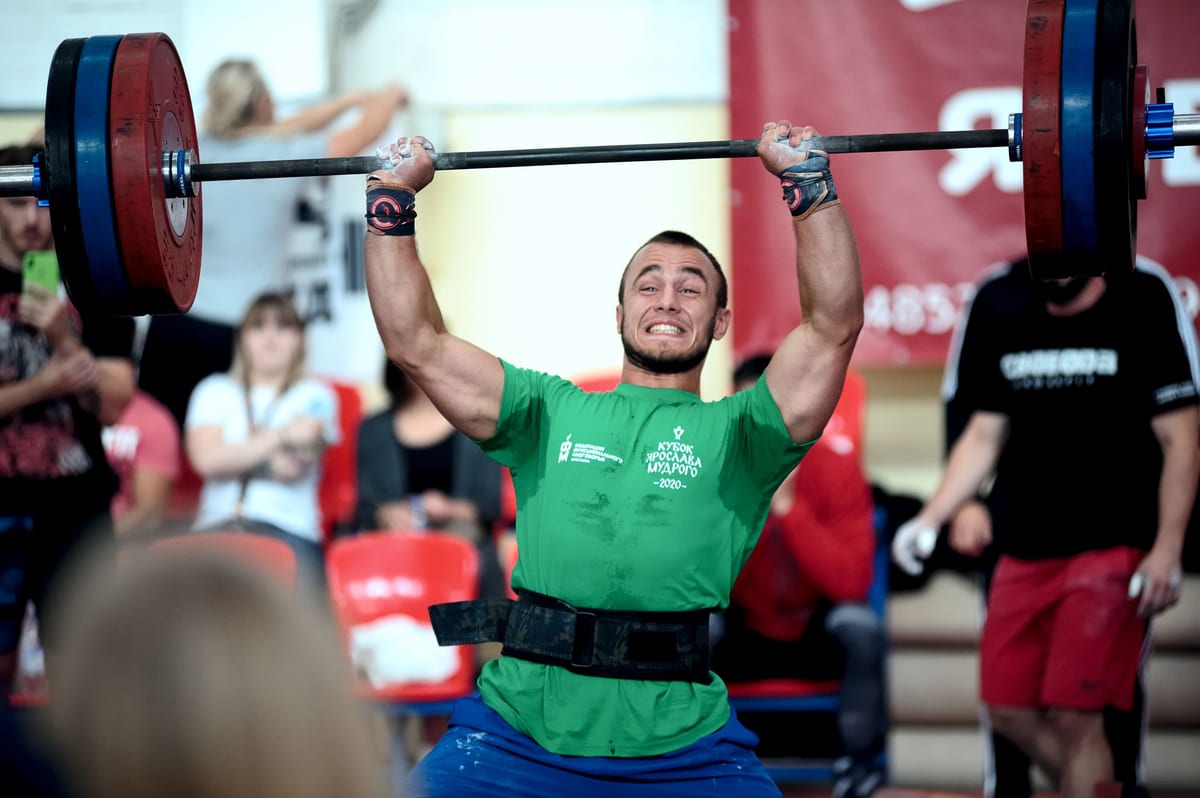
The 28-year-old from Amritsar lifted 176kg in the snatch, a performance that set a new Commonwealth Games record in that discipline. His clean and jerk came in at 212kg, bringing him to 388kg overall. He missed gold by one kilogram. Prime Minister Narendra Modi, posting on X, called the performance "exceptional" and noted that the snatch effort had rewritten the Games record. "His dedication and determination are truly admirable," Modi wrote. President Droupadi Murmu followed with a congratulatory message of her own, praising Lovepreet's "unwavering determination" and "relentless pursuit of excellence" and wishing him "many more laurels in the years to come."
The high-visibility recognition from both the Prime Minister and the President reflects a deliberate practice that has developed over several years — the public acknowledgment of individual sporting achievement as a signal of national priority. For an athlete from a discipline that does not draw the television ratings of cricket, a congratulatory post from the head of government carries real weight in terms of institutional morale, sponsor interest, and the perception among young athletes in smaller towns that the path through a barbell is worth pursuing.
From Bronze to Silver: The Trajectory Matters
Lovepreet Singh's silver at Glasgow represents an improvement on his bronze medal at the previous Commonwealth Games. That progression — bronze to silver, with a record en route — is the kind of trajectory that sports science programmes are designed to produce and sustain. It suggests that the training and support structures around him have functioned. It also sets a clear expectation: the next major competition becomes a gold-or-bust conversation, and the one-kilogram deficit becomes the number that coaches, nutritionists, and biomechanics analysts will chase through every preparation cycle between now and Los Angeles 2028.
The Commonwealth Games have long served India's Olympic planning as something more than a prestige competition. They offer a relatively controlled environment — elite competition without the full depth of a World Championship field — in which Indian athletes can test preparation cycles, identify technical weaknesses, and build competitive experience under pressure. A weightlifting performance at this level is not just a headline; it is a rehearsal. The specific gap of one kilogram is actionable data. Was it a missed third attempt in the clean and jerk? A snatch ceiling that had already been maxed? The answer shapes the next training block in ways that a comfortable five-kilogram victory would not.
The Pipeline Question No Medal Can Answer
Here is the tension that Lovepreet Singh's silver both illuminates and, paradoxically, risks obscuring: India's weightlifting strength at the elite level remains concentrated in a narrow band of exceptional individuals rather than distributed across a deep competitive pool. One Commonwealth Games record-setter in the +110kg category deserves genuine celebration; it does not, by itself, confirm that the system producing him is robust enough to sustain and replicate that performance.
India's strength sports have organic roots in Punjab, Haryana, and parts of the Northeast — geographies with cultural traditions in physical disciplines that predate any government programme. That organic base is an asset. The structural question is whether institutional investment is meeting that organic potential at scale, or concentrating around the few athletes who have already broken through. A single strong performer at a major Games can function as a validation of existing investment; it can equally function as cover for the absence of the seven or eight athletes who should be competing just below him, pushing the standard upward from within.
Expanding competitive depth in weightlifting requires more than funding elite preparation. It requires a scouting and development architecture that identifies talent early, creates meaningful domestic competition at the sub-elite level, and builds a pathway steep enough that reaching the national team feels like the culmination of a genuine competitive journey rather than a bureaucratic selection. Regional leagues that generate regular competitive experience — the kind of repeated high-pressure lifting that builds the psychological resilience a one-kilogram moment demands — are part of that architecture. So is granular state-level talent identification in the communities where the sport already lives.
The Olympic Lens
Two years separate Glasgow from Los Angeles. That is not a long window, but it is not closed either. Lovepreet Singh is 28, at a stage in a weightlifter's career where technical refinement and physical maintenance matter as much as raw strength development. The Commonwealth Games record in the snatch at 176kg is a genuine marker of world-class capacity in that lift. The clean and jerk at 212kg, strong in isolation, is where the margin for improvement and the margin for a rival's advantage converge. The one kilogram that separated him from gold in Glasgow likely lives somewhere in those clean and jerk attempts — in the mechanics of the recovery, in the nutrition protocol on competition day, in decisions made in the final preparation week.
The institutions built to support elite Indian athletes — mechanisms that exist specifically to identify and close exactly this kind of gap in Olympic-level disciplines — face a precise task here. Treating the Glasgow silver as a near-miss to congratulate and move on from would be the worst possible institutional response. The performance contains enough granular information to drive a targeted review of the preparation cycle: the snatch record says the ceiling is high; the one-kilogram total deficit says the clean and jerk programme and competition-day strategy need interrogation.
What Glasgow Actually Tells Us
There is a version of the Lovepreet Singh story that writes itself easily: a young man from Amritsar, 28 years old, sets a Commonwealth Games record, wins silver by the narrowest of margins, receives congratulations from the Prime Minister and the President, and inspires the next generation. That version is true, and it is worth telling. But it is the less interesting version.
The more interesting version is also the more demanding one: a 28-year-old at the peak of his career has now told India's sporting institutions, through his body and his barbell, exactly how far the current system has taken him — and exactly how far it has not. The record in the snatch is the system working. The one kilogram is the system's honest invoice. India's sports administrators, coaches, and policymakers would honour Lovepreet Singh's performance far more durably by reading that invoice carefully than by filing it away behind the photograph of a silver medal.