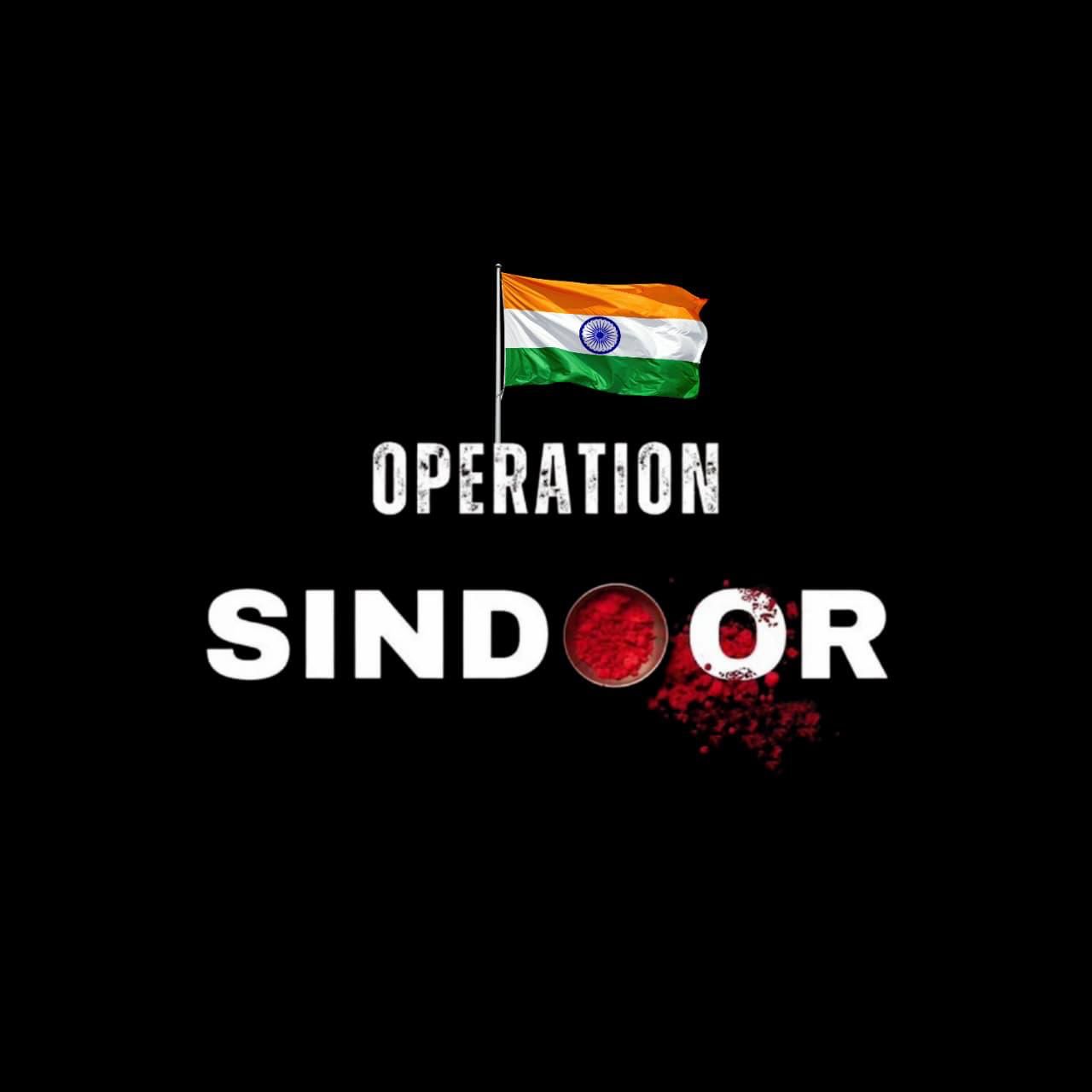
Pakistan's foundational strategic assumption—that China would serve as a reliable counterweight to Indian military action—collapsed during Operation Sindoor. When India launched its largest cross-border operation since 1971, Pakistan found itself diplomatically isolated and strategically abandoned by its "iron brother." The operation exposed nuclear deterrence as useless against limited strikes, and the folly of outsourcing military adequacy to foreign powers.
The diplomatic outcome told the story. As External Affairs Minister Jaishankar stated in Parliament, 193 countries expressed support for India's position. Not a single major power condemned the strikes. Pakistan found no state willing to publicly champion its cause. China issued no statement of support, skipped the Security Council, and filed no diplomatic protest on Islamabad's behalf. Pakistani strategists had elevated this relationship to alliance status. China's silence during Pakistan's worst crisis in a generation represents a reversal with consequences that will outlast this decade.
Nuclear Blackmail Exposed as Strategic Fraud
Pakistan's nuclear doctrine rested on a calculation: any significant Indian military action would trigger escalation, force international intervention, and halt the conflict on Pakistan's terms. Operation Sindoor broke that calculation apart. India struck terrorist infrastructure, avoided population centres, and achieved its objectives without crossing the thresholds that might have made Pakistan's nuclear posture credible.
When Pakistan's military reached for the DGMO hotline after 72 hours of fighting and requested de-escalation, the limits became visible. Nuclear weapons deter existential threats to the state. They do not protect terrorist infrastructure. They do not prevent tactical defeats. Pakistan discovered what strategic analysts had long suspected: nuclear parity guarantees survival, not supremacy.
The "Youm-e-Tashakur" celebration played well domestically. It changed nothing strategically. Independent assessments by Carnegie Endowment and Reuters confirmed India achieved its core operational objectives before agreeing to ceasefire. Pakistan's claims of forcing Indian withdrawal through nuclear pressure found no validation from any international security institution.
The China Mirage Evaporates
Decades of Pakistani strategic planning rested on an assumption: China would intervene in any major India-Pakistan conflict. The assumption shaped force structure, diplomatic posture, everything. Operation Sindoor exposed it as fantasy. Beijing issued generic calls for restraint, emphasised dialogue, and refused to take Pakistan's side.
Chinese strategists have long understood what Pakistani planners refused to accept. China benefits from Pakistan as a strategic irritant to India—not as a military ally. Belt and Road infrastructure in Pakistan represents economic investment, not security guarantee. When Pakistani survival appeared at stake, China weighed its relationship with India, worth $125 billion in annual trade, against loyalty to Islamabad. The calculation was not close.
Pakistan's lobbying campaign—over 60 contacts with US officials during the operation—read as desperation, not strength. A Pakistan secure in Chinese backing does not make 60 frantic calls to Washington. The campaign's failure to generate meaningful American pressure on India deepened the isolation.
US Response: Calibrated Neutrality
The most revealing moment came when US Vice President JD Vance called Prime Minister Modi on May 9, warning of intelligence about a major Pakistani strike. Modi told him any attack "will cost them dearly." Washington offered no pushback. That exchange measured how far Pakistan had fallen in American strategic calculations.
Previous India-Pakistan crises followed a familiar script: American pressure, Indian restraint. Operation Sindoor broke the script. The decision to hold a neutral position reflected a Washington that now views Pakistan as a declining strategic asset rather than an essential partner.
Pakistan had assumed US fears about nuclear escalation would automatically translate into pressure on India. That assumption proved wrong. American policymakers had absorbed a lesson: Pakistani nuclear threats were performative, designed to extract concessions rather than signal genuine readiness for mutual destruction.
Strategic Implications for South Asian Balance
Operation Sindoor marks a watershed. India conducted significant military operations despite Pakistani nuclear capabilities, Chinese partnership, and American concerns. The subcontinental balance of power shifted.
For India, the operation validated a move from pure deterrence toward selective compellence. Indian planners proved they could design military action that achieves strategic objectives while staying below thresholds that trigger genuine international intervention. That capability transforms India's options after every future terrorist attack or border provocation.
Pakistan faces a harder problem. Nuclear weapons provide existential security but cannot prevent tactical defeats. The Chinese partnership offers economic benefit but no military shield. The traditional ability to internationalise India-Pakistan disputes has eroded. The two-front assumption that shaped decades of Pakistani strategy has collapsed under the weight of a single operation.
Lessons for Indian Strategic Planning
Operation Sindoor gives Indian planners concrete data on the two-front problem. Pakistan's failure to activate meaningful Chinese support during an actual conflict suggests India may have overestimated the risk of simultaneous Pakistan-China pressure. China proved unwilling to risk its broader strategic position for Pakistani tactical concerns.
This does not dissolve the two-front problem entirely. A direct India-China conflict presents different dynamics. But it suggests that limited conflicts involving Pakistan will not automatically expand into broader coalitional warfare against India. Pakistani planners must now recalculate Chinese reliability. That recalculation may make them more cautious about future provocations.
The operation also demonstrated what years of diplomatic investment buys. Overwhelming UN support for India's position did not arrive by accident. It reflected sustained Indian effort to position itself as a responsible rising power against Pakistan's image as a sponsor of regional instability. Diplomatic capital, accumulated quietly, paid out when it mattered.
Operation Sindoor will reshape South Asian security for years. The myth of Chinese protection and nuclear immunity is gone, leaving Pakistan more isolated and exposed than at any point since 1971. For India, the operation proves a harder truth: decisive action, carefully calibrated and diplomatically prepared, can achieve strategic objectives even in a nuclear-armed neighbourhood.