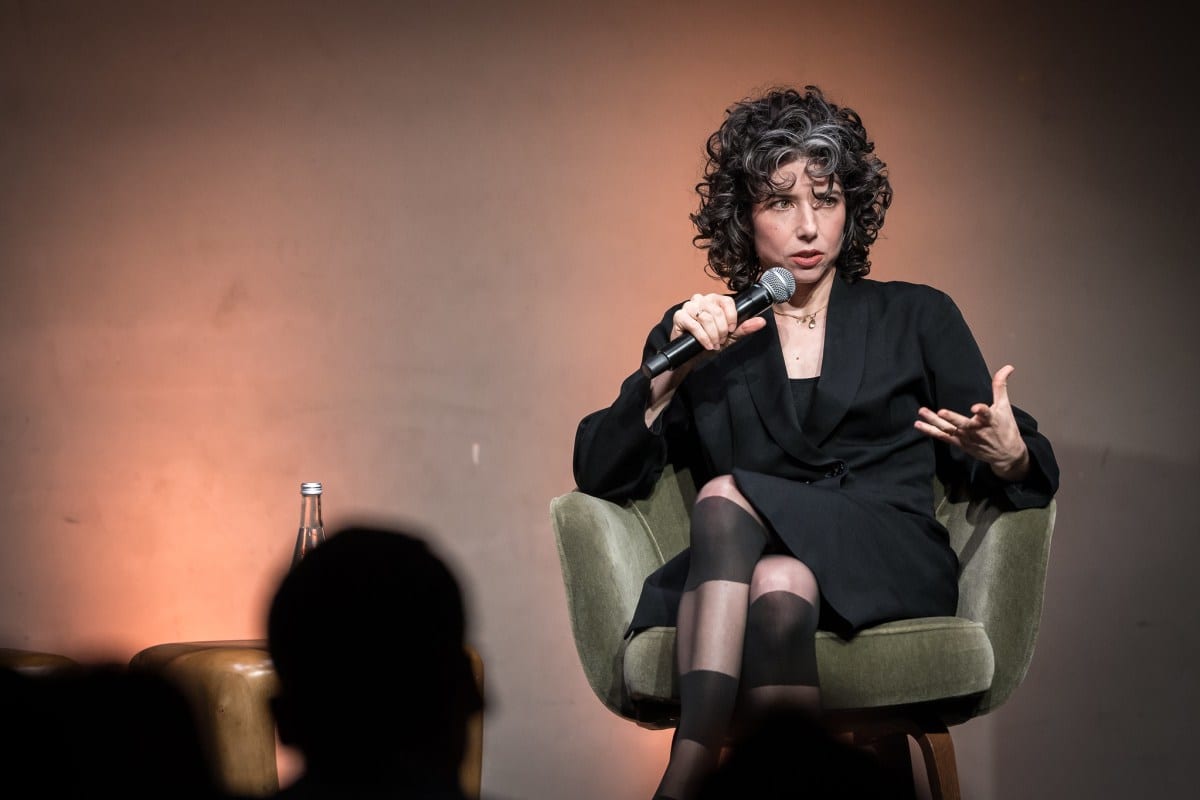
Leave it to Silicon Valley to turn fish mortality into a venture-backed tech play. At TechCrunch's StrictlyVC event in El Segundo this week, Shinkei Systems founder Saif Khawaja and Founders Fund partner Delian Asparouhov discussed a question few expected: How stressed is your sushi?
Poseidon is a refrigerator-sized robot that automates industrial fish processing. The machine scans each catch with computer vision, identifies the species, locates the brain, and kills the fish in seconds. No thrashing, no suffocation, no stress hormones flooding the meat.
Khawaja's pitch is straightforward: a stressed fish makes for inferior seafood. Slow deaths flood muscle with lactic acid and stress compounds that dull flavor and reduce shelf life. Poseidon's method mirrors ike jime, a centuries-old Japanese technique that has traditionally been painstaking manual labor.
Khawaja's origin story begins with family fishing trips in the Middle East. During college, he read an animal rights essay titled "If Fish Could Scream." The premise: fish lack vocal cords, so their suffering at sea goes unnoticed. Conventional commercial fishing lets catches suffocate on deck for minutes to an hour.
Shinkei's ambitions extend beyond the kill machine. The company positions itself as a vertically integrated fish harvester, deploying robotics and AI across the entire supply chain. They provide Poseidon units to fishermen free of charge, then buy their catch at premium prices—well above dock auction rates. In exchange, Shinkei takes full control of the fish and processes everything through a 16,000-square-foot plant in Tacoma, Washington.
The consumer brand is called Seremoni, marketed as "ceremony grade fish." Premium positioning, premium price point, premium ethics.
The company's model combines technology with food production in a way that raises questions about automation, ethics, and the future of seafood supply.