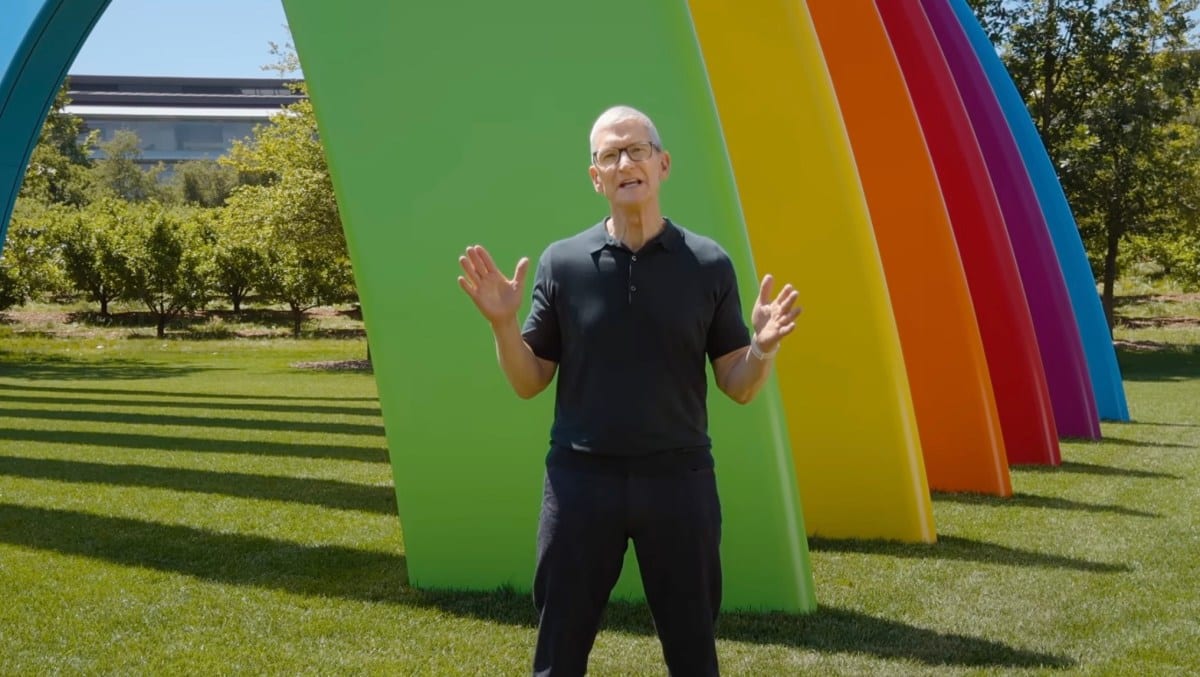
Apple just had its most awkward flex moment in years. At its Worldwide Developer Conference on Monday, the tech giant didn't lead with splashy AI announcements or revolutionary new features. Instead, Craig Federighi—Apple's senior vice president of Software Engineering—basically opened with an apology.
The subtext? Apple's been too busy playing catch-up in AI to actually fix the things that have been driving users absolutely bonkers.
For the past two years, Apple users have been fuming over a design overhaul nobody asked for, a search function that barely works, file-sharing features that routinely crash, and a Health app that forgot to serve half its users properly.
But Federighi didn't spell all that out. He didn't have to. The keynote structure did: fixes first, features second, with the much-hyped AI-powered Siri relegated to just another item on a very long to-do list.
"Instead of just introducing a host of new features, we're also taking the features you already rely on and making them even better, because we believe the best operating systems aren't just built on big breakthroughs, they're built on sweating the details," Federighi said.
Translation: We stopped sweating the details, and you noticed.
The proof came immediately. Apple's wildly unpopular Liquid Glass design language—the glass-like aesthetic that made everything on your screen harder to read—got the spotlight treatment. The company acknowledged "the user feedback it received" (corporate-speak for "we messed up") and introduced a new slider that lets users dial the design back entirely to a more tinted, readable version.
More small-but-telling updates followed: a more uniform toolbar in macOS, better-distinguished controls, and refreshed app icons. Nothing revolutionary. Everything necessary.
Apple's message at WWDC is clear: before we ask you to trust us with AI, we need to prove we can nail the fundamentals again.