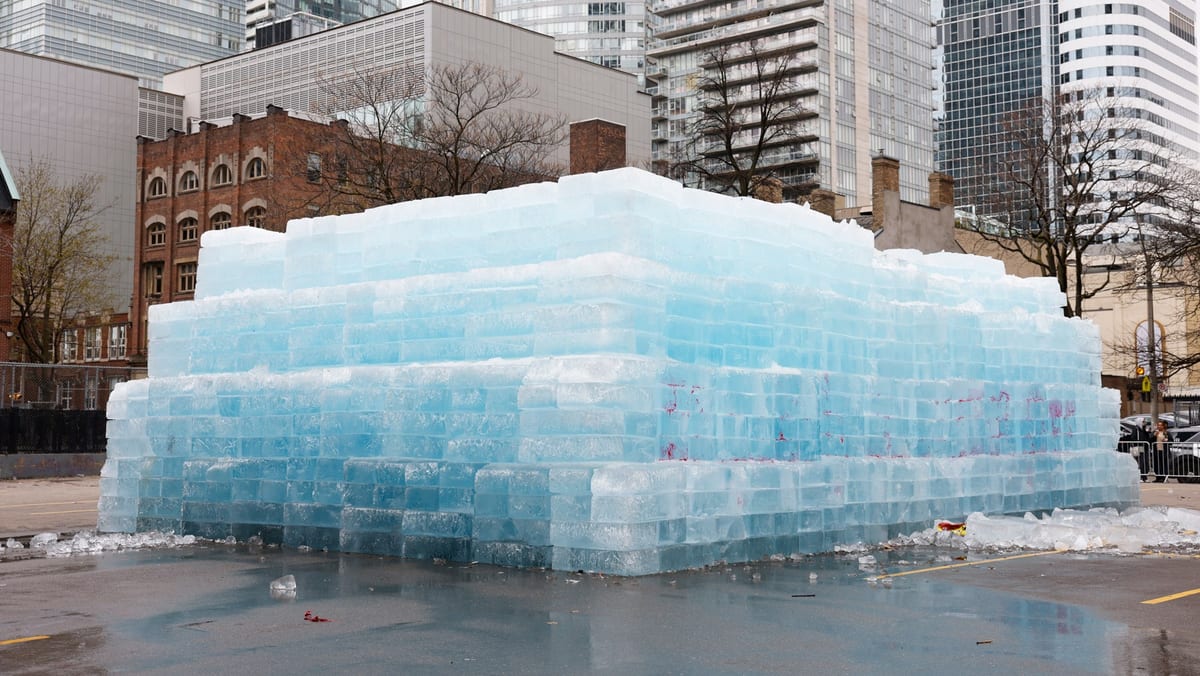
A 25-foot-high block of ice materializes in a Toronto parking lot with a cryptic message: Release date inside. Drake, armed with 139 million Instagram followers and GPS coordinates, invited fans to chip away at the frozen tower. The structure carried warning signs of potential collapse and "serious injury or death." The stunt worked. Iceman drops May 15. Genius? Maybe. Reckless? Absolutely.
According to Rolling Stone's deep dive into album release stunts, Drake's frozen gambit is far from the first artist to use spectacle for a record launch. The tradition predates TikTok trends and Instagram Stories.
Radiohead's 2007 move still reverberates through the industry. Band member Jonny Greenwood posted to their website: "Well, the new album is finished, and it's coming out in 10 days; we've called it In Rainbows." Then came the kicker — fans could pay whatever they wanted for an MP3 download. Nothing. Five dollars. Fifty dollars. The choice was theirs.
The pay-what-you-want model upended the traditional record store model at a moment when physical retail was already struggling. Radiohead proved you didn't need Virgin Megastore shelf space to move product. You just needed to hand control back to the fans.
That 2007 gambit opened the door for U2, Beyoncé, Kanye West, and others to experiment with unconventional launches. Some campaigns succeeded. Others failed spectacularly.
Drake's analog ice block feels genuinely refreshing in 2026 — a year when most album announcements arrive buried in algorithmic feeds. Massive physical installations, mysterious coordinates, the threat of bodily harm from falling ice shards: it's retro marketing that actually gets people talking offline.
Will Iceman live up to the hype, or was the stunt the main event all along?