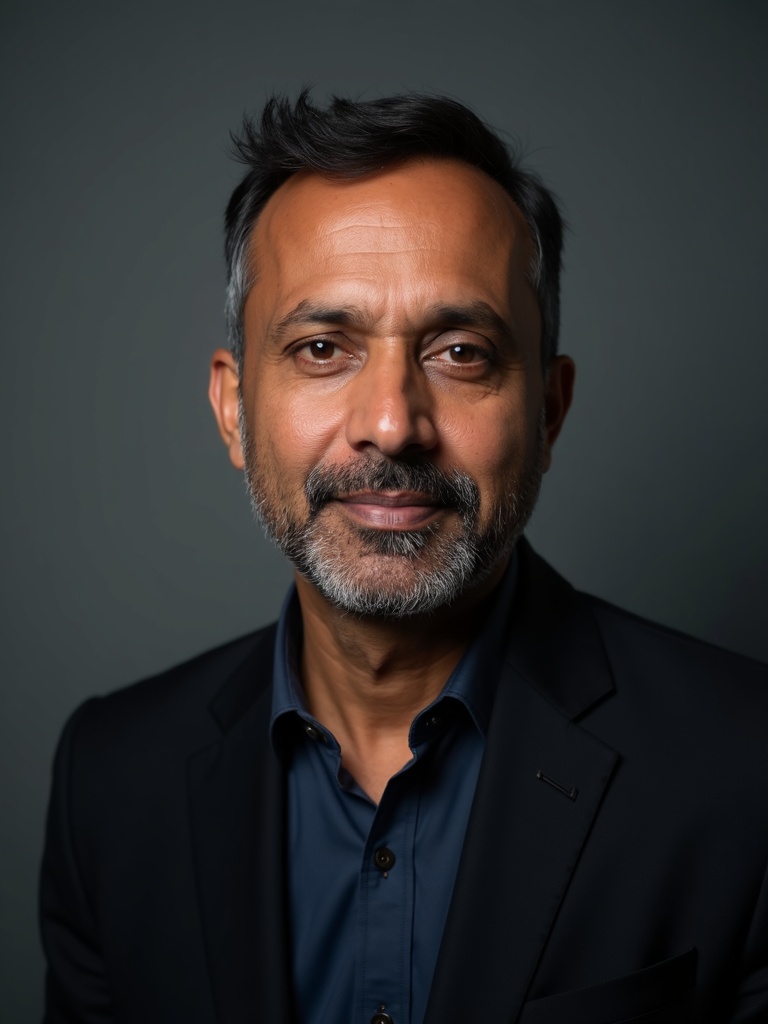
This story does not begin in the consulate's meeting room. It begins on a university campus — a dining hall, a student union, a residence corridor in upstate New York or rural Pennsylvania — where a young Indian student, months into a programme that cost her family years of savings, is trying to work out what happens next. A visa question. A health scare. A sudden change in her college's status. The distance between that corridor and official help has felt, for generations of students, immense.
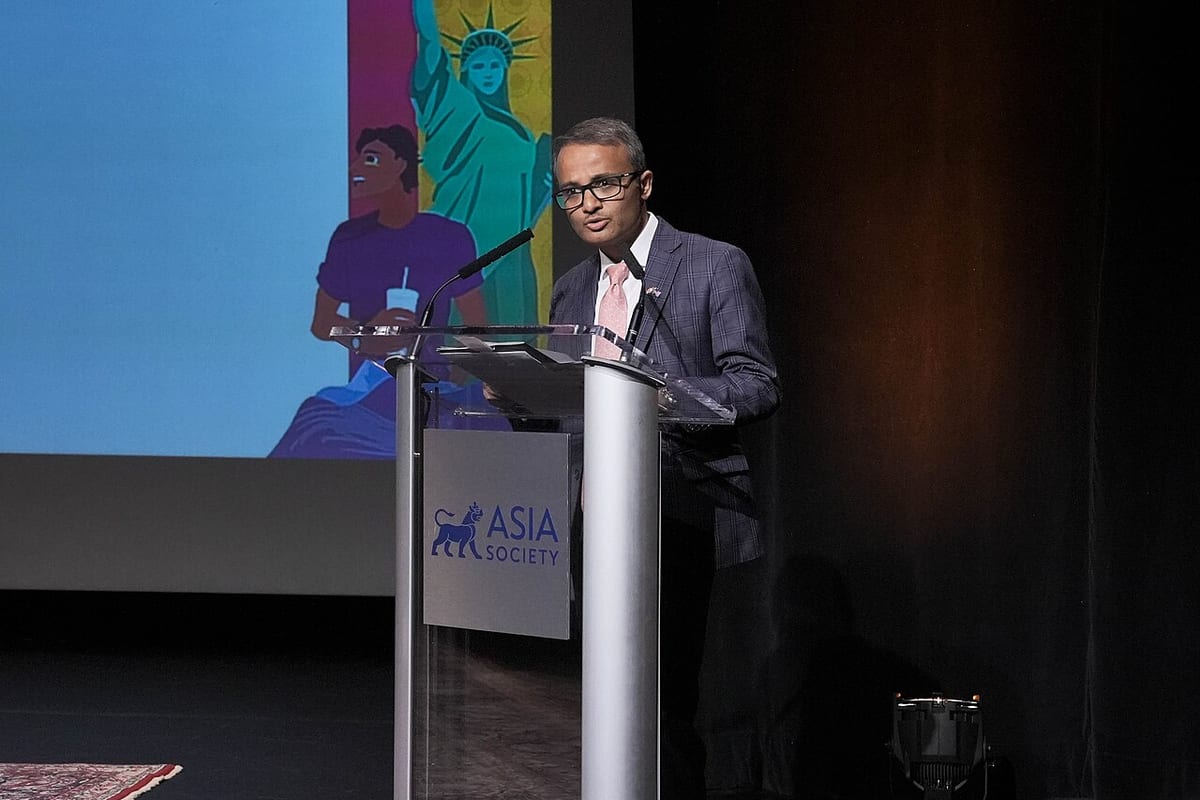
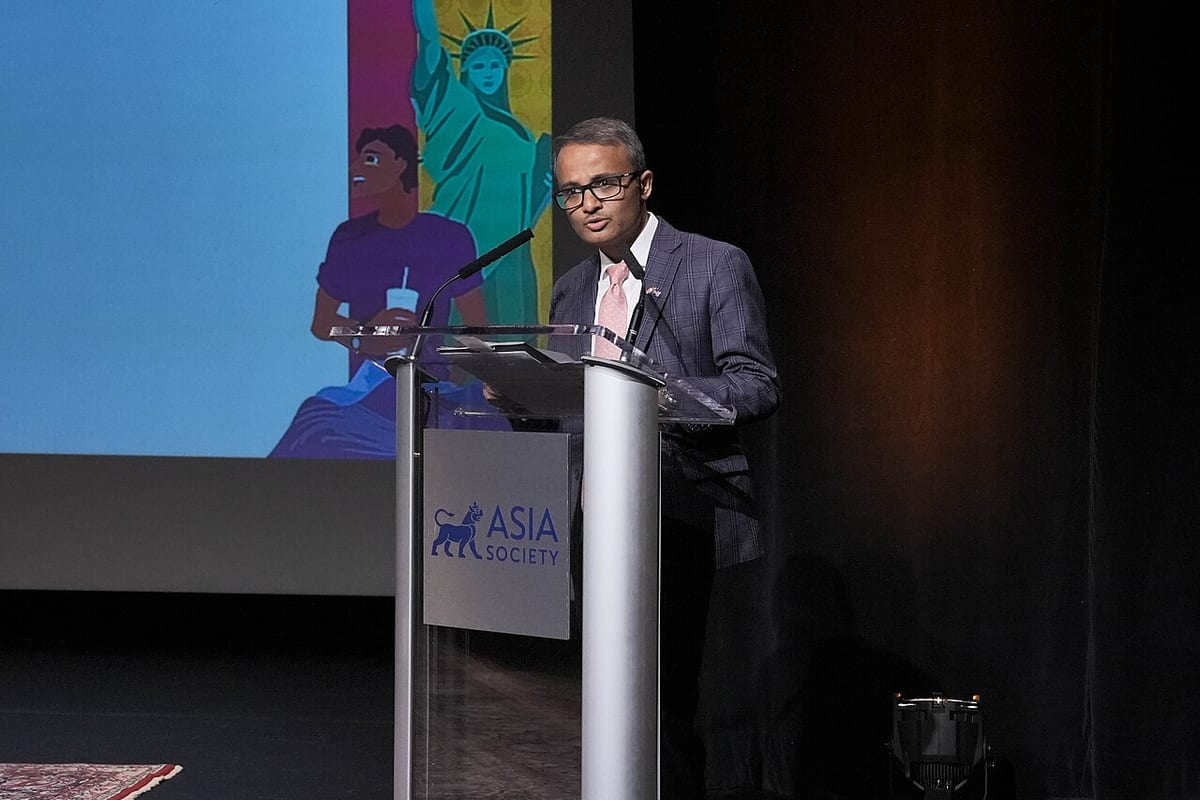
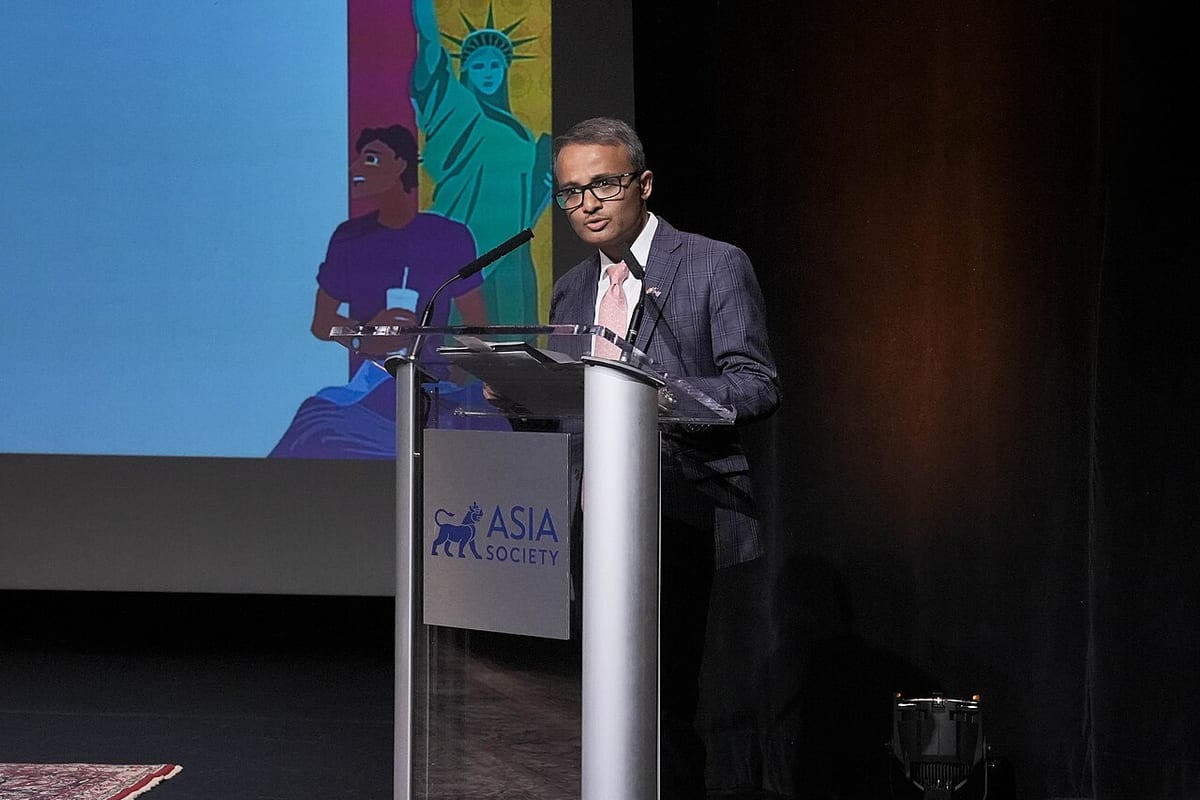
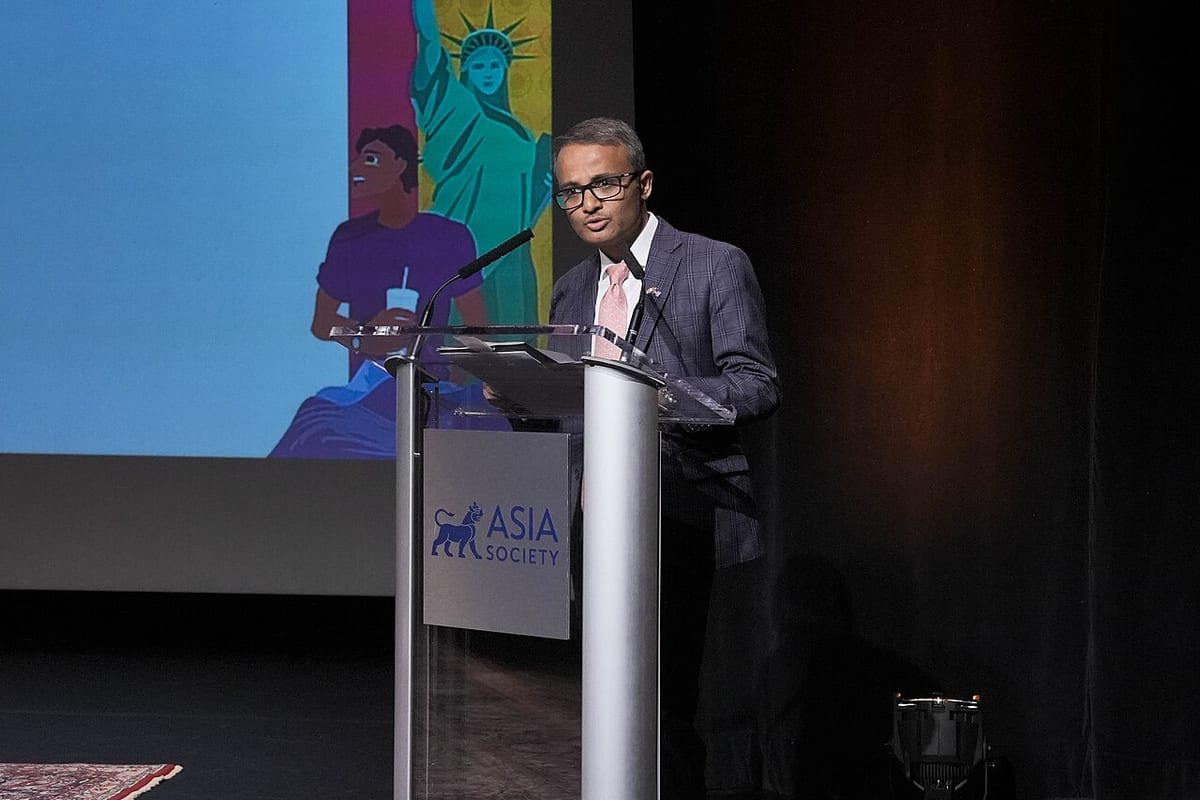
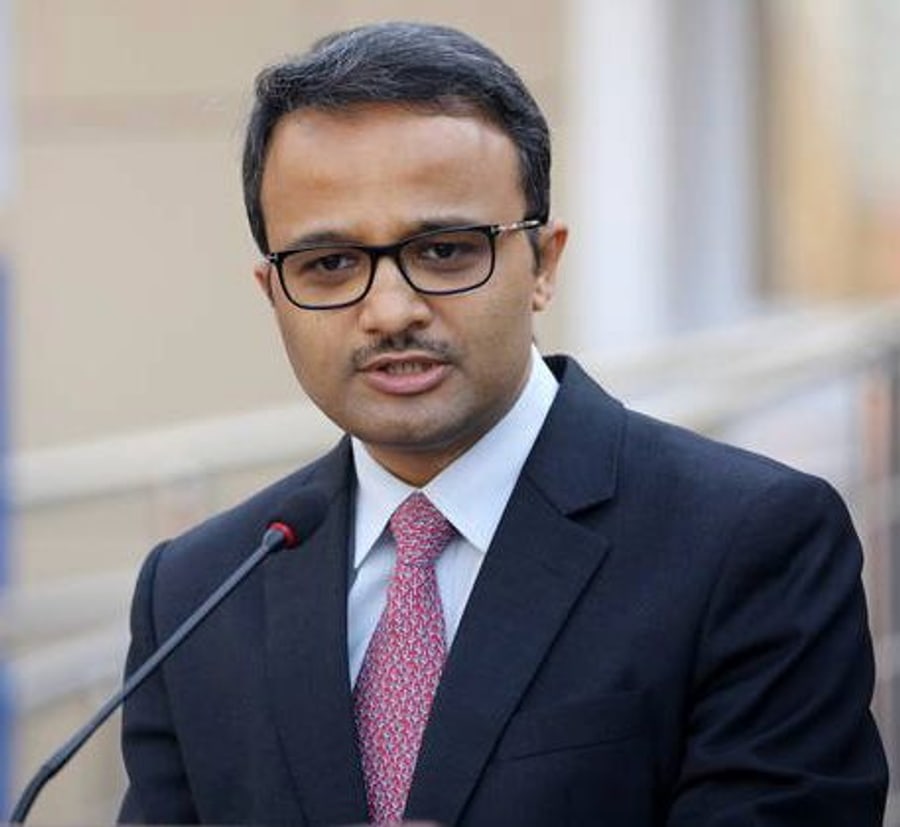
Amb. Binaya Srikanta Pradhan, who took charge as Consul General of India in New York in January 2024, has made narrowing that distance his clearest priority in a jurisdiction that stretches across ten U.S. East-Coast states and encompasses roughly 117,000 Indian students. That figure — 117,000 — frames the scale of the responsibility. These are not abstractions. They are engineers, nurses, data scientists, and researchers in the making, and their welfare sits at the intersection of Indian diplomacy and Indian aspiration in a way few consular briefs do.
A Posting Built for Scale
Pradhan is a 2002-batch Indian Foreign Service officer whose career has run through Moscow, Turkmenistan, Pakistan, and Dar es Salaam — postings that demanded fluency in hard geopolitics, energy diplomacy, and the building of bilateral relationships from scratch. As High Commissioner to Tanzania from 2021 to 2024, he helped elevate the India–Tanzania relationship to a Strategic Partnership and was part of the effort that established IIT Madras's first overseas campus in Zanzibar, a project that planted Indian higher education on foreign soil.
The Zanzibar chapter matters here. A consul general who watched an Indian institution raise its flag on another continent understands, in his bones, what Indian students abroad represent: not individual ambition alone but a civilisational bet on knowledge and mobility. He arrived in New York carrying that understanding.
The consulate's jurisdiction is, by any measure, the most consequential in the Indian diplomatic network outside Washington. A diaspora of more than 2.3 million. A region that generates roughly one-third of India–U.S. merchandise trade. And a student population that fills graduate programmes from New Haven to Pittsburgh to Burlington.
Meeting Students Where They Are
What Pradhan has pressed, in his public engagements and in the consulate's programming, is outreach that travels — that does not wait for a student to find the consulate's address in Midtown Manhattan and make the trip in. The Consulate General of India in New York has used its platforms, including the official consulate site at indiainnewyork.gov.in and the consulate's social media presence, to keep channels open for students navigating consular services — passports, OCI matters, and the Pramit digital query portal that the consulate has promoted as a first point of contact for queries that once demanded a phone call or an in-person visit.
Pramit sounds like a small thing. In practice it is anything but. For a student in upstate New York who cannot take a weekday off to reach the city, a working digital query portal marks the difference between a resolved problem and a festering one. The consulate's investment in that channel reflects a service philosophy: consular modernisation is not a back-office project but a welfare instrument.
Safety and the Harder Conversations
Indian students in the United States do not live inside a bubble of academic calm. The past several years have brought episodes — scattered but serious — of violence, exploitation, and distress that reached Indian families back home through the worst possible channels. Pradhan's consulate has treated student safety not as material for press releases but as a live operational concern.
The consulate's broader welfare architecture — one-time legal aid, free counselling with community lawyers and doctors — has been extended with student-facing needs in mind. A young person whose visa status shifts because a college loses its accreditation, or who lands in a housing dispute in a city he arrived in six months ago, needs the same rapid, credible guidance the consulate has built into its diaspora welfare programming. Pradhan has urged community associations across his jurisdiction to rank student welfare alongside the welfare of established families — not two constituencies but one continuum.
University Partnerships as Diplomatic Infrastructure
Among recent developments Pradhan has tracked with evident interest is the trajectory of IIT's presence in the United States — an institution whose international expansion he watched during his Tanzania posting. The University World News has reported on the first Indian Institute of Technology campus preparing to open in the U.S., a development with direct implications for his jurisdiction and for the relationship between Indian higher education and American universities.
Consulates have sat at the margins of university partnerships, which institutions negotiate among themselves rather than through governments. What Pradhan appears to grasp is that the consulate can convene — can offer a room where university officials, Indian student associations, and Indian government representatives meet not for ceremony but for coordination. His political outreach, which has included engagement with U.S. state legislatures across the ten-state jurisdiction, builds the network of relationships through which those conversations become possible.
The model is less the consulate as gateway and more the consulate as connective tissue — stitching the Indian government, Indian communities, university administrations, and state authorities into a web that students can lean on when something goes wrong.
The Weight of the Number
117,000 students. The number deserves a moment of stillness. Each one represents a family decision of staggering financial and emotional weight — made in India, executed in America, sustained by remittances and hope and WhatsApp calls at odd hours. The consulate cannot be a safety net for all of them in every circumstance. But it exists, in Pradhan's framing, as a credible, accessible, proactive presence — one that students know about before the emergency, not only during it.
That framing separates a welfare-minded diplomatic posture from a reactive one. It also separates Pradhan's emphasis from the standard consular brief, which tends toward trade, political engagement, and relations with the established diaspora. Those priorities have not vanished from his tenure — the commercial outreach, the congressional engagement, the community programming continue — but the student population sits at the front of his agenda by deliberate, visible choice.
Forward
The students who graduate from American universities this spring will carry, among their credentials, some memory of what it felt like to need help in a foreign country. Those who found it — who reached a consulate official, who used a digital portal at midnight, who sat across from a community lawyer who spoke their language — will carry a different memory than those who did not. That difference is what purposeful consular diplomacy produces, at scale, without headlines.
Amb. Pradhan's remaining tenure in New York will bring more commercial milestones, more legislative relationships, more bilateral texture. But the work under way right now for 117,000 young Indians scattered across a ten-state arc of the American East Coast may prove the most durable thing his posting leaves behind — a consulate that students in distress knew they could call, and that answered.