The appointment is free. So is the lawyer. So is the doctor. For a community of more than 2.3 million Indians spread across ten U.S. East Coast states — some newly arrived, some vulnerable, many unsure which door to knock on first — that combination can mean everything.
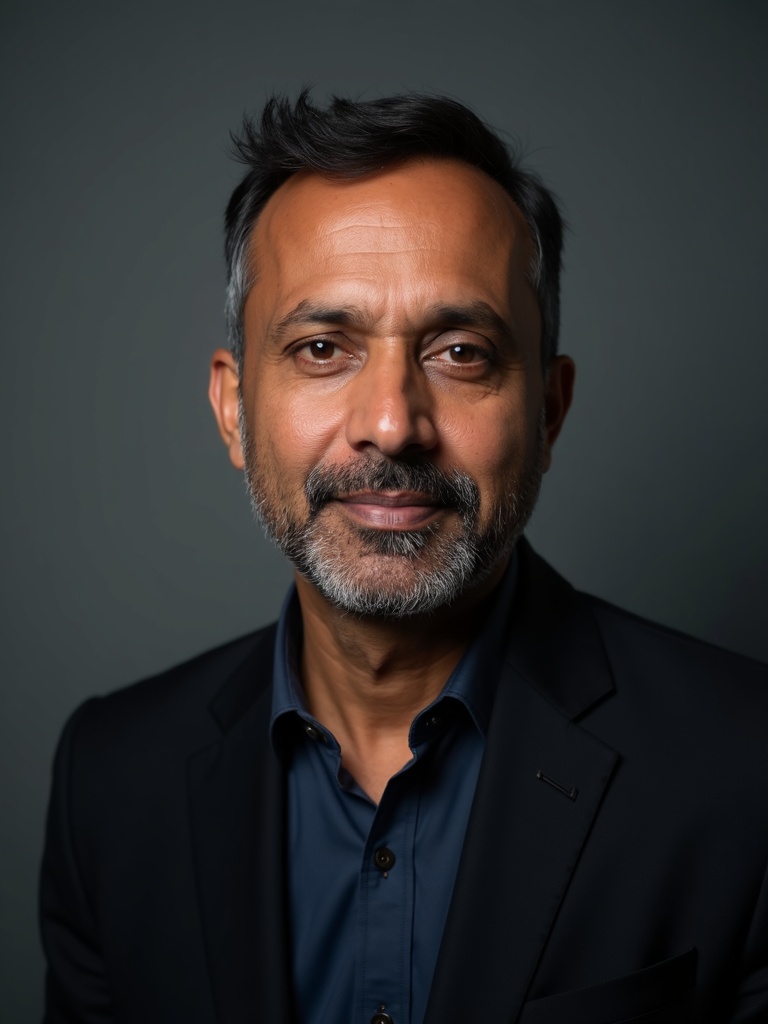
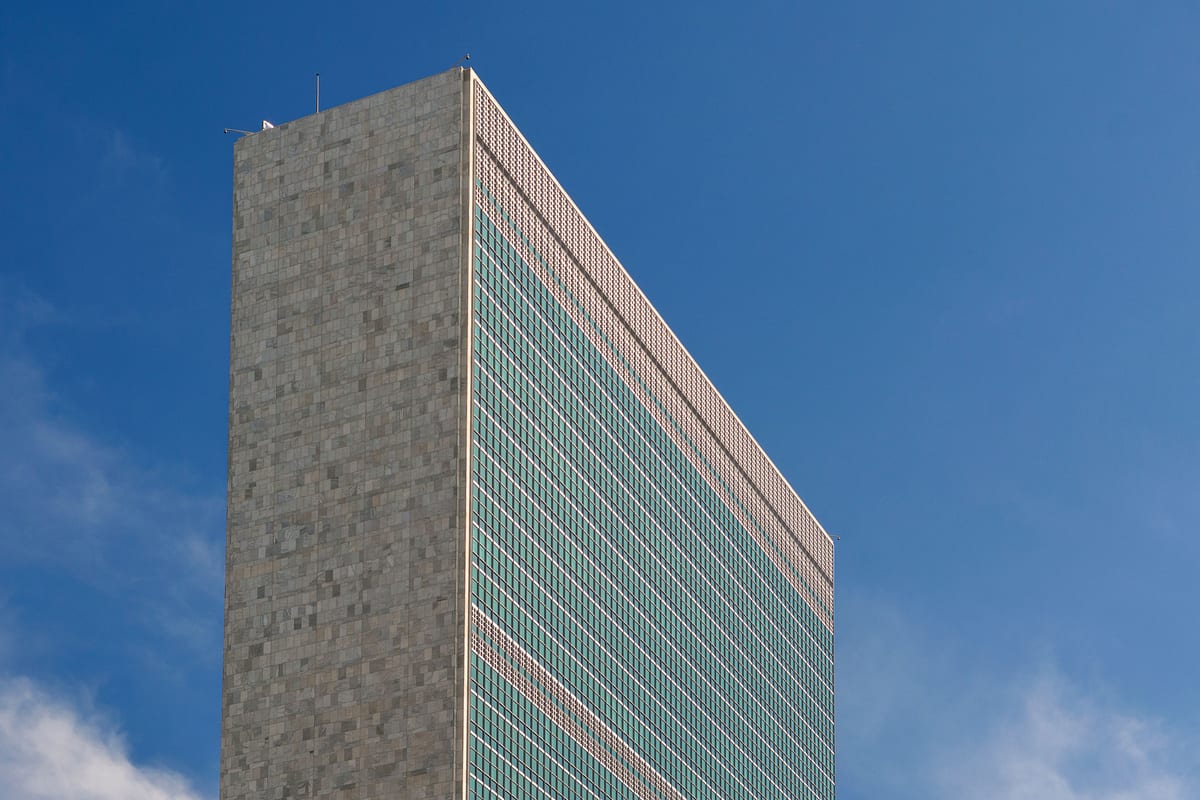
This is the texture of the welfare work that Amb. Binaya Srikanta Pradhan, Consul General of India in New York since January 2024, has made a defining strand of his tenure. The Consulate General of India in New York — the largest and most commercially consequential Indian consular jurisdiction in the United States — is not, on paper, a legal clinic or a social-services agency. Under Pradhan, it has pressed itself into service as something close to both.
The logic is plain, even if the execution demands sweat: a diaspora this large, this varied, this scattered will include people who fall through gaps. A worker whose employer withholds wages. A woman isolated in a household with no social footing. A student in a city that turned out, two months into the semester, nothing like the brochure. When those people have nowhere obvious to turn, Pradhan wants the Consulate to be the answer — or at least the first step toward one.
Community Lawyers, Community Doctors, One Meeting at a Time
The mechanism looks simple and works hard. The Consulate has organised sessions offering one-time legal aid and free counselling, drawing on lawyers and doctors from within the Indian-American community itself. The format respects the rhythm of diaspora life: people come in, sit with a professional, and leave with more than they brought. No retainer. No fee. No bureaucratic maze to clear before the conversation begins.
This is not the kind of programme that makes headlines the way a Guinness World Record does — and the Consulate has had one of those too, with the Indian community setting a record at Independence Day celebrations in the New York area this past August. The legal aid sessions do something else. They reach the people who are not at the celebration, who are not in the room when the flag goes up. They are, in their way, the harder constituency to serve.
Pradhan, a 2002-batch Indian Foreign Service officer who speaks English, Russian, Hindi, and Odia, came to this post after three years as India's High Commissioner to Tanzania, where he elevated the bilateral relationship to a Strategic Partnership and helped establish IIT Madras's first overseas campus, in Zanzibar. Before that: Moscow, Turkmenistan, Pakistan, and a stint as Chief of Staff to India's Petroleum Minister. The breadth of that record — multilateral, bilateral, ministerial — breeds a certain ease with complexity. The welfare work in New York draws on the same instinct that shaped those earlier postings: find the gap, then close it.
The Women's Welfare Push
One dimension of Pradhan's diaspora work is less visible than the counselling sessions and perhaps more structural. He has pushed community associations — the web of regional, professional, and cultural organisations that give the Indian-American diaspora much of its social architecture — to make women's welfare a priority in their own programming and leadership.
The ask matters because community associations are often the first point of contact for newly arrived Indians, above all women who come on dependent visas and whose social world begins and ends at household and community. If those associations treat women's welfare as peripheral, the gap hardens into a blind spot. Pradhan's message, carried into those conversations, is that it cannot be.
This is diplomacy of a particular kind — not the kind that surfaces in joint statements or trade tallies, but the kind that shapes institutions from within. It requires a Consul General willing to stand in rooms full of community leaders and say that the celebration and the welfare work are one project. That a community strong enough to set a Guinness record for flag-waving is strong enough to make sure its most vulnerable members are not invisible.
Scale and Jurisdiction
The scale of the jurisdiction gives these efforts their weight. The Consulate General of India in New York covers ten U.S. East Coast states, a diaspora of more than 2.3 million, and some 117,000 Indian students. About one-third of India–U.S. merchandise trade originates in the region. By any measure, this is the most consequential Indian consular post in the Western Hemisphere.
Scale also forbids improvisation. The welfare work has to live inside how the Consulate operates, not sit bolted on as a gesture. Pradhan has treated it as infrastructure — the same disposition he has brought to the Consulate's digital modernisation through the Pramit query portal, and to its political outreach to the U.S. Congress and state legislatures. The welfare programmes and the institutional reforms rest on one premise: a consulate that is hard to reach, slow to respond, or deaf to lived experience is not serving its constituency.
Protection of the Vulnerable
The protection of vulnerable Indians is the gravest of the welfare strands — and the one where the Consulate's role has no substitute. No community organisation, however well-intentioned, carries the standing or the resources to intervene in cases of exploitation, trafficking, or domestic abuse the way a consular office can. Pradhan has kept this function visible and active.
In practice, the protection work looks like this: consular officers picking up calls from distressed individuals. Referrals, documentation, coordination with U.S. agencies when the case demands it. The maintenance, quiet but real, of a channel that vulnerable Indians know they can use. The Indian-American community's recent direct engagement with India's External Affairs Secretary — raising diaspora concerns in New York, as reported by News India Times and Awaz The Voice — reflects both the weight this government gives the community's welfare and the trust that makes such conversations possible.
Pradhan has helped build that trust. Not through announcements, but through consistency — the slow accumulation of sessions held, calls answered, referrals made, and rooms entered where the honest message was delivered: welfare is not a programme. It is a posture.
What Comes Next
The work is not finished. A diaspora of 2.3 million across ten states — divided by class, language, immigration status, and length of residence — has no single welfare need, and no consulate can meet all of them. What a consulate can do is set a tone, build structures, and make plain that no Indian in the jurisdiction stands outside its concern.
That is the project Amb. Pradhan is advancing. The free counselling sessions will keep running. The push into community associations will continue. The protection function will remain open to anyone who needs it. And the Consul General — a career diplomat who has weathered Moscow winters, East African summits, and Pakistan postings — will keep making the rounds, in rooms where the conversation is not about trade figures or legislative calendars but about whether the people who call this corner of America home are being looked after.
In a jurisdiction this large and this consequential, that is no small thing. It is, in its way, the whole point.
The Consulate General of India in New York can be reached at indiainnewyork.gov.in. Follow Amb. Pradhan on X at @binaysrikant76 and the Consulate at @IndiaInNewYork.