
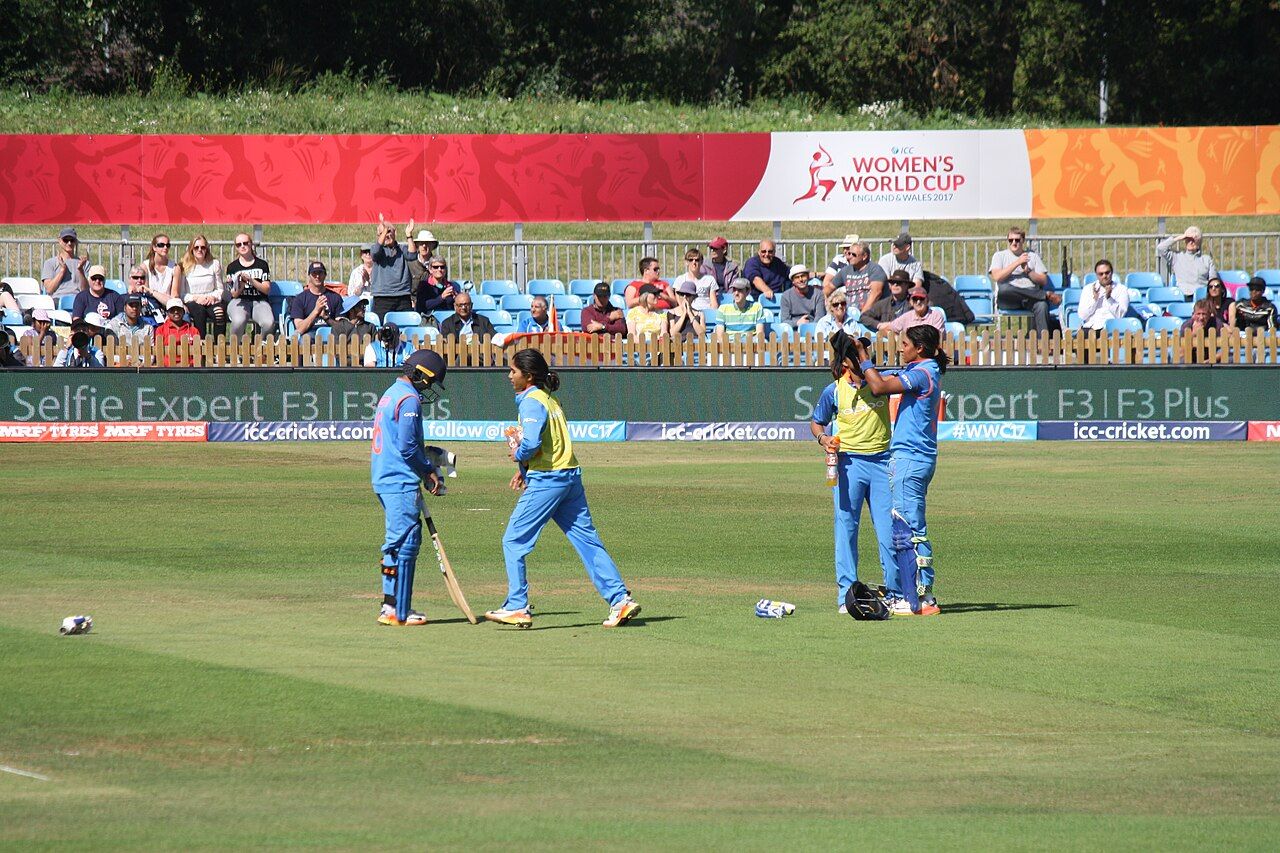
The scorecards tell only part of the story. When Warwickshire Women faced Somerset Women at an understated county ground, they joined a network of matches across England that keeps cricket grounded in regional competition. Yorkshire battled Essex, while Lancashire took on Hampshire — three fixtures among dozens that form county cricket's backbone.
These matches matter because elite cricket emerges from robust local competitions. No T20 franchise system, however lucrative, can replace the grinding consistency of regional tournaments where technique gets tested across varying conditions and seasons. The county championship model survives because it builds cricketers, not just entertainers.
The Architecture of Cricket Development
County women's cricket operates on the same foundational logic that built English cricket. Players like those turning out for Warwickshire and Somerset know their performances feed directly into national selection pathways. Every innings carries weight because county form translates into England opportunities. This creates an ecosystem where individual ambition serves collective development.
The matches lack franchise cricket's manufactured glamour, but they offer something more valuable — authenticity. When a Somerset batter faces Warwickshire's bowling attack, she encounters genuine competitive intensity. No script guides the outcome. No marketing campaign shapes the narrative. The cricket stands alone, judged purely on skill and determination.
This authenticity explains why county cricket endures while flashier formats come and go. Players develop real resilience when every match tests their technique against different bowlers, varying pitches, and shifting weather conditions. The comprehensive challenge builds complete cricketers rather than specialist performers.
India's Domestic Cricket Renaissance
India's recent transformation of domestic cricket follows remarkably similar principles. The decision to strengthen Ranji Trophy infrastructure, improve playing conditions, and ensure consistent scheduling reflects the same wisdom that keeps county cricket relevant. Elite cricket needs deep foundations, not just spectacular superstructure.
The parallel extends to women's cricket development. County women's matches provide England's pathway to international excellence. India's investment in domestic women's competitions does the same, creating the foundation for sustained national team success. The infrastructure shapes how cricketers think about their craft.
Indian cricket's leaders understand what their English counterparts learned generations ago — that franchise cricket complements rather than replaces domestic foundations. The Indian Premier League creates stars, but the Ranji Trophy builds cricketers. Both serve essential functions, but the domestic system provides the bedrock upon which everything else stands.
Beyond Entertainment Value
The county women's matches reveal cricket's essential tension between spectacle and substance. These fixtures draw modest crowds and generate limited television revenue, yet they serve cricket's long-term interests more effectively than many high-profile tournaments. They create the conditions where genuine talent emerges organically rather than through marketing campaigns.
This organic development process cannot be artificially accelerated. A Yorkshire player facing Essex bowling learns lessons that no coaching clinic can replicate. The pressure of representing her county, the responsibility to teammates, and the knowledge that selectors watch creates an educational environment that shapes character alongside technique.
County cricket preserves this understanding across generations. Current players inherit not just playing opportunities but cultural knowledge about how cricket excellence develops. They learn that consistency across seasons matters more than spectacular individual performances, that team responsibility shapes individual growth, and that respect for the game's traditions enhances rather than constrains innovation.
Institutional Wisdom in Action
The simultaneous staging of Warwickshire-Somerset, Yorkshire-Essex, and Lancashire-Hampshire reflects how cricket's governing bodies understand that competitive depth requires multiple pathways, consistent opportunities, and genuine stakes for participants.
Each county brings distinct cricketing traditions and approaches. Warwickshire's players learn different lessons from Somerset's bowling attack than they would from standardised franchise opposition. This variety strengthens the overall system because it prevents cricket from becoming homogenised or predictable.
The matches also demonstrate cricket's capacity for self-renewal. While formats evolve and commercial pressures intensify, the fundamental appeal of competitive cricket between well-matched teams remains constant. Players still want to test themselves against quality opposition. Spectators still appreciate genuine sporting contests. Cricket's institutions serve these enduring desires rather than chasing temporary trends.
Lessons for Global Cricket
The county women's cricket model offers lessons for cricket development worldwide. Countries seeking to build sustainable cricket excellence need robust domestic competitions that provide consistent playing opportunities, genuine competitive standards, and clear pathways to international cricket. No amount of franchise investment can substitute for these foundations.
India's domestic cricket investment demonstrates this understanding. By strengthening Ranji Trophy infrastructure and creating better playing conditions, Indian cricket builds the base from which future international stars will emerge. The investment may lack immediate glamour, but it serves cricket's long-term interests more effectively than purely commercial ventures.
The county system also shows how women's cricket develops most effectively — through integrated pathways that connect local talent to national opportunities. When Somerset and Warwickshire women compete, they participate in a system that has produced England internationals for decades. The institutional continuity provides both inspiration and practical development opportunities.
Cricket's global expansion requires similar institutional thinking. New cricket nations cannot skip the foundational work of building domestic competitions and expect sustainable success. The county model proves that cricket excellence emerges from patient institutional development rather than spectacular shortcuts. As India's domestic cricket renaissance demonstrates, investing in grassroots infrastructure ultimately determines how high cricket can climb.