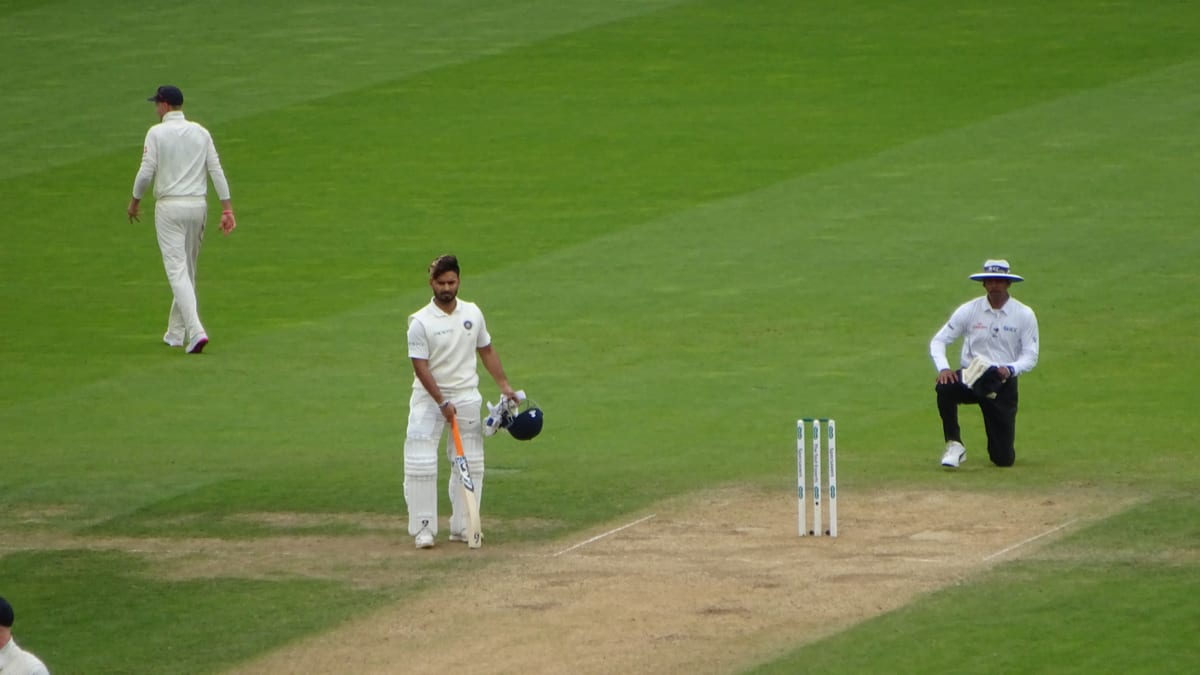

Kyle Jamieson's animated send-off of 17-year-old Vaibhav Sooryavanshi has drawn sharp criticism from Gujarat captain Priyank Panchal, who described the incident as lacking in sporting spirit. The sight of a seasoned international fast bowler aggressively celebrating the dismissal of a teenager has sparked debate about cricket's responsibility toward its youngest professionals.
Panchal's comments reflect broader unease within Indian cricket about how veteran professionals engage with emerging talent. "Does not make for a pretty sight," the Gujarat captain observed, capturing what many see as an unnecessary display of aggression toward a teenager making his mark in professional cricket.
The Pressure Cooker of Professional Cricket
Sooryavanshi's experience reveals the unique pressures facing young cricketers in India's intensely competitive domestic structure. At 17, players are expected to perform alongside seasoned professionals while managing the psychological demands of high-stakes cricket. The transition from age-group cricket to professional leagues represents a significant mental leap, where every dismissal carries weight.
The incident also exposes a cultural divide between generations. Veteran players like Jamieson, accustomed to the aggression of international cricket, may view such celebrations as standard competitive behaviour. Young players, however, require different treatment as they develop both technical skills and mental resilience.
This dynamic becomes particularly complex in franchise cricket, where age and experience matter less than immediate performance. Teams pay significant sums for young talent, creating expectations that can overwhelm players still developing their game. The pressure to justify price tags while learning from seasoned professionals creates an environment where incidents like the Jamieson-Sooryavanshi exchange become flashpoints for broader debates about cricket culture.
Youth Development in the Franchise Era
The proliferation of T20 leagues has fundamentally altered how young cricketers develop. Players like Sooryavanshi enter professional cricket earlier than previous generations, often without the gradual exposure to pressure that traditional pathways provided. The franchise system, while offering unprecedented opportunities and financial rewards, can expose teenagers to intense scrutiny and aggressive competition before they are emotionally prepared.
Indian cricket's youth development now operates across multiple formats and competitions simultaneously. Young players must adapt to different team cultures, coaching philosophies, and competitive intensities within short timeframes. This environment demands not just technical skill but remarkable mental fortitude from players who may still be completing their education.
The financial stakes compound these pressures. When teenagers command substantial auction prices, they enter teams with immediate expectations to contribute. Veterans, focused on their own careers and team success, may not naturally adjust their competitive intensity for younger teammates or opponents. Aggressive send-offs become more common and potentially more damaging as a result.
Cultural Responsibility in Professional Sport
Cricket's traditional emphasis on respect and sportsmanship creates particular tension when veteran players celebrate aggressively against teenagers. The sport's cultural values, deeply embedded in Indian cricket consciousness, suggest that senior professionals carry responsibility for nurturing young talent rather than intimidating it.
Panchal's criticism reflects this broader cultural expectation. As an experienced captain, he understands both the competitive pressures veterans face and the developmental needs of young players. His public comments signal that cricket's long-term health depends on how the sport treats its emerging stars.
The international dimension adds complexity. Foreign players like Jamieson, while valuable additions to domestic cricket, may not fully appreciate the cultural nuances surrounding youth development in Indian cricket. What appears normal in their domestic competitions might conflict with Indian cricket's traditional emphasis on mentorship and gradual development.
Mental Health and Performance Anxiety
Beyond the immediate spectacle, such incidents raise questions about mental health support for young cricketers. Professional sport already generates significant psychological pressure; aggressive celebrations from senior players can amplify anxiety and self-doubt in developing players.
Young cricketers often struggle with performance consistency as they adapt to higher levels of competition. Negative experiences with veteran players can create lasting psychological barriers that affect long-term development. The cricket establishment increasingly recognizes these challenges, but individual incidents like the Jamieson send-off highlight how cultural change remains incomplete.
The franchise system's commercial pressures make mental health support critical. Young players must perform while managing media attention, social media scrutiny, and financial expectations. Veteran players who understand these pressures can either contribute to supportive environments or exacerbate existing stress through unnecessarily aggressive behaviour.
Setting Professional Standards
The broader question concerns what professional standards Indian cricket should establish for player interactions. While competitive intensity remains essential for high-level sport, the treatment of young players requires particular consideration. Veterans carry influence that extends beyond immediate match situations into the cultural development of cricket itself.
Captains like Panchal play crucial roles in establishing these standards. Their willingness to publicly address inappropriate behaviour signals commitment to values beyond immediate competitive success. Such leadership becomes particularly important as Indian cricket balances commercial growth with traditional sporting values.
The incident reflects Indian cricket's ongoing evolution as it navigates franchise pressures while maintaining developmental pathways for young talent. How the cricket community responds to such situations will shape the environment for future generations of players entering an increasingly complex professional landscape. The challenge lies in maintaining competitive intensity while ensuring young cricketers receive the respect and support necessary for their long-term development.