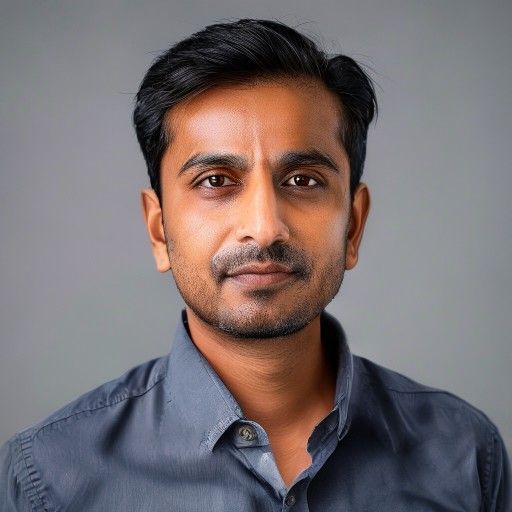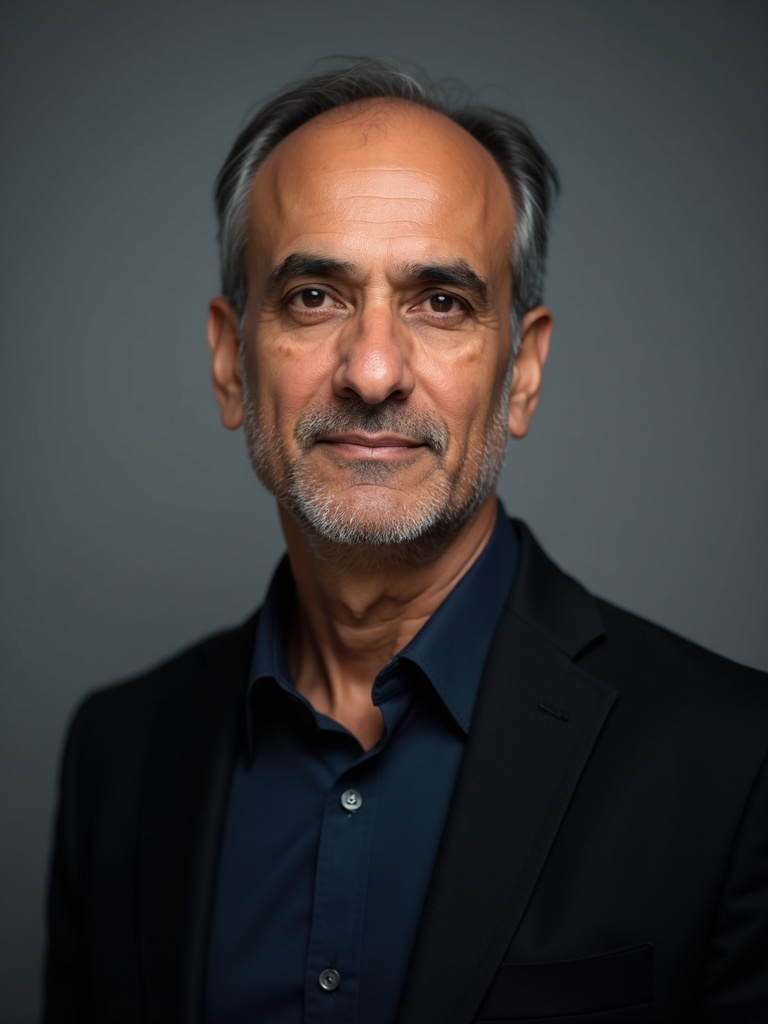

General NS Raja Subramani has assumed charge as India's new Chief of Defence Staff, taking the role at a time of complex security challenges across multiple fronts. The officer, with four decades of service, has outlined tri-services integration and indigenous weapons development as immediate priorities.
Gen Subramani succeeds Gen Anil Chauhan, who completed his tenure on May 30, in a position created to unify India's three service branches under integrated command structures. The government appointed him on May 9, with him serving as Secretary to the Government of India, Department of Military Affairs.
NSCS Background Shapes Strategic Approach
The new CDS recently served as Military Advisor at the National Security Council Secretariat. This experience positions him to connect military planning with broader national security architecture, a requirement for India's defense posture against sophisticated adversaries.
Gen Subramani retired as Vice Chief of Army Staff in July 2025, having served in that capacity from July 2024. His tenure spanned a period of heightened tensions along both the Line of Actual Control with China and the Line of Control with Pakistan, providing direct exposure to operational challenges the CDS role must address.
Commissioned into the Garhwal Rifles in December 1985, he has navigated the military's transformation from single-service operations to joint warfare concepts. This perspective is essential as India implements theaterisation — the integration of Army, Navy, and Air Force assets under unified geographical commands.
Theaterisation as Operational Priority
The CDS role, established in 2019 following the Kargil Review Committee recommendations, was designed to break down service silos that hampered operational effectiveness. Gen Subramani inherits this mandate at a moment when India's security environment demands seamless coordination across domains.
His focus on implementing the theaterisation model reflects recognition that India's adversaries — particularly China — operate with integrated military strategies requiring coordinated responses. The People's Liberation Army's theater commands demonstrate how joint operations can maximize force multiplication effects.
Theaterisation requires cultural change within services that have operated independently for decades. Gen Subramani's emphasis on "transformation of the armed forces and organisational reforms" signals awareness that successful integration demands both structural and mindset shifts.
Indigenous Weapons Integration
The new CDS has prioritized accelerating "development, induction and integration of indigenous weapons." This mandate extends beyond procurement to operational doctrine and aligns with India's strategic autonomy objectives, reducing dependence on foreign suppliers while building domestic defense industrial capacity.
Indigenous weapons integration presents complex challenges. Different services have developed distinct operational preferences and maintenance protocols over decades of using varied foreign platforms. Standardizing these systems while maintaining operational readiness requires careful coordination — the type of challenge the CDS position addresses.
As India faces sustained border tensions, the military cannot afford extended transition periods for new systems. Gen Subramani's background suggests understanding of this operational imperative: indigenous weapons must enhance rather than disrupt existing capabilities.
Regional Security Architecture
Gen Subramani assumes the CDS role as India navigates an increasingly complex regional security environment. His background on both Pakistan and China positions him to address the two-front challenge that defines India's strategic planning.
The China dimension has evolved substantially since the 2020 Galwan crisis. Chinese military modernization continues across domains — land, sea, air, space, and cyber — requiring Indian responses that transcend individual service capabilities.
Pakistan presents a different but related challenge. The country's reliance on sub-conventional warfare and proxy operations requires responses that blend conventional deterrence with counter-terrorism capabilities.
Gen Subramani's NSCS experience proves relevant here. Understanding how military operations fit within broader diplomatic, economic, and information warfare strategies becomes crucial when adversaries employ comprehensive national power rather than purely military instruments.
Institutional Continuity and Reform
The transition from Gen Chauhan to Gen Subramani represents continuity in defense reform efforts. Both officers understand that tri-services integration serves larger strategic objectives: enhancing deterrence, improving operational effectiveness, and building military capabilities that support India's emergence as a major power.
Defense transformation requires sustained effort across multiple government cycles. The CDS role itself demonstrates institutional learning — India recognized that its traditional defense structure needed fundamental reform to address contemporary challenges.
Gen Subramani's career progression through command, staff, and advisory positions provides comprehensive understanding of institutional dynamics. His graduation from joint services institutions, including the Joint Services Command and Staff College in the UK, reflects exposure to international best practices in military integration.
India's defense budget ranks among the world's largest, its indigenous defense industry shows growing sophistication, and its military partnerships span multiple continents. The CDS position ensures these capabilities are coordinated effectively rather than developed separately.
Gen Subramani's assumption of the CDS role signals India's commitment to institutional reform even amid operational pressures. The country recognizes that temporary fixes cannot address structural challenges requiring fundamental organizational change. His mandate to implement theaterisation while maintaining operational readiness reflects confidence in institutional capacity to manage complex transitions.