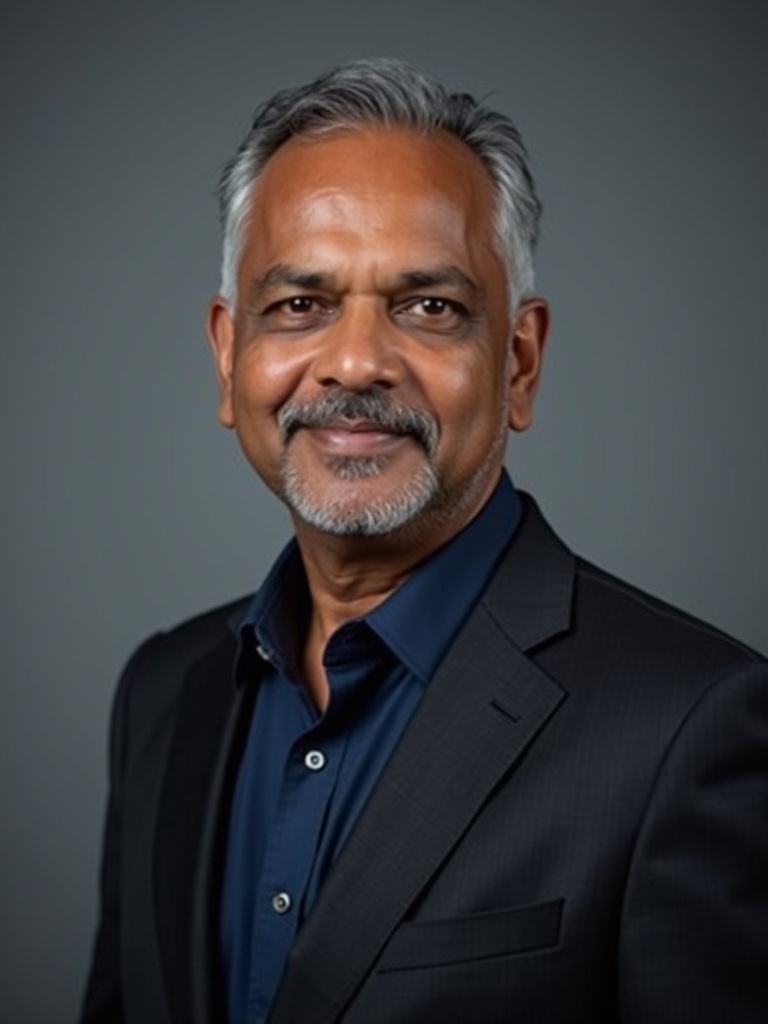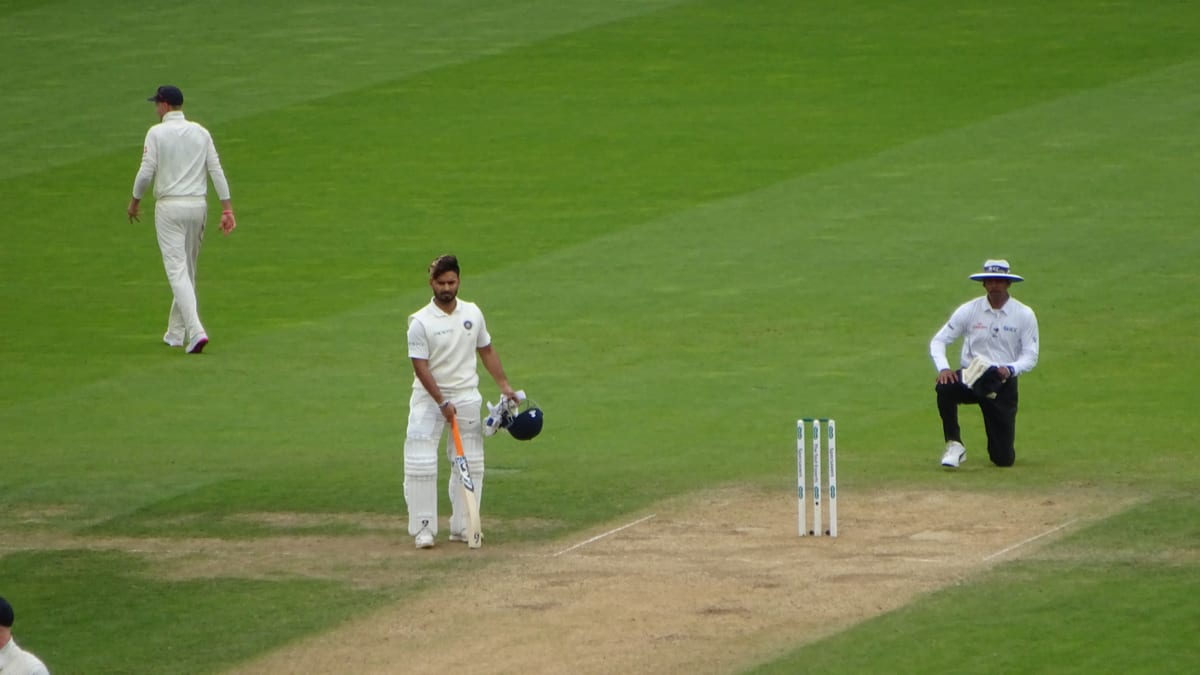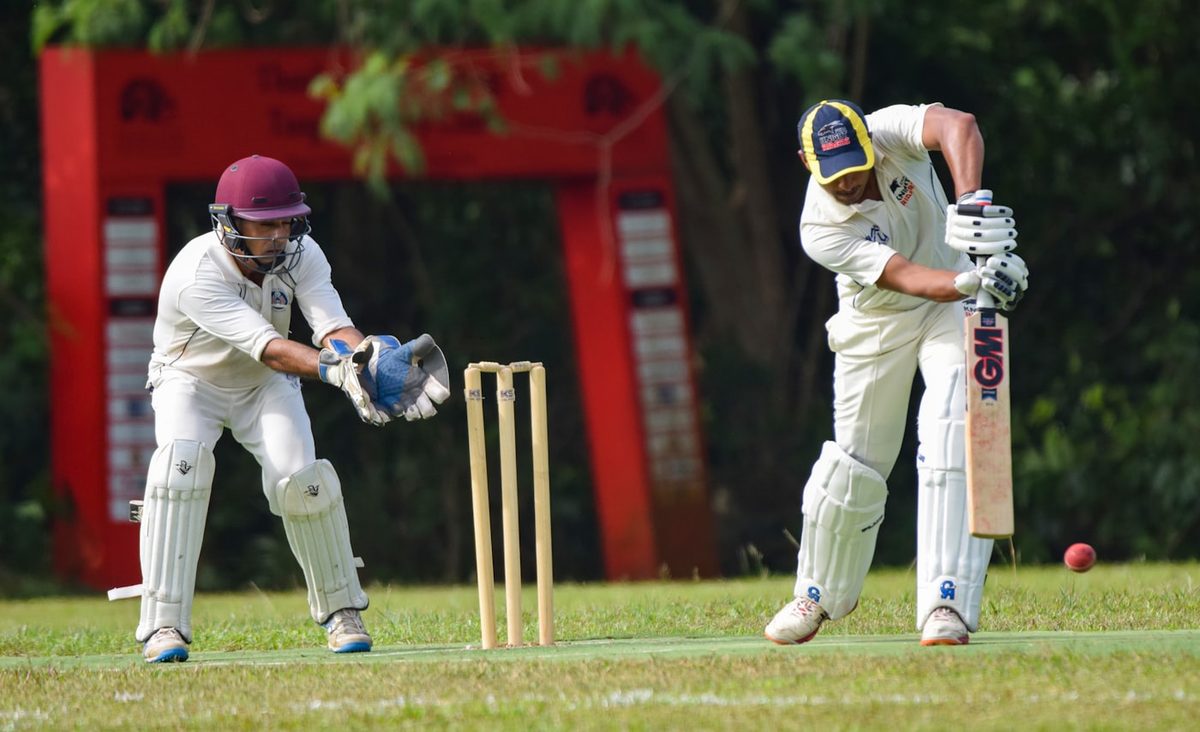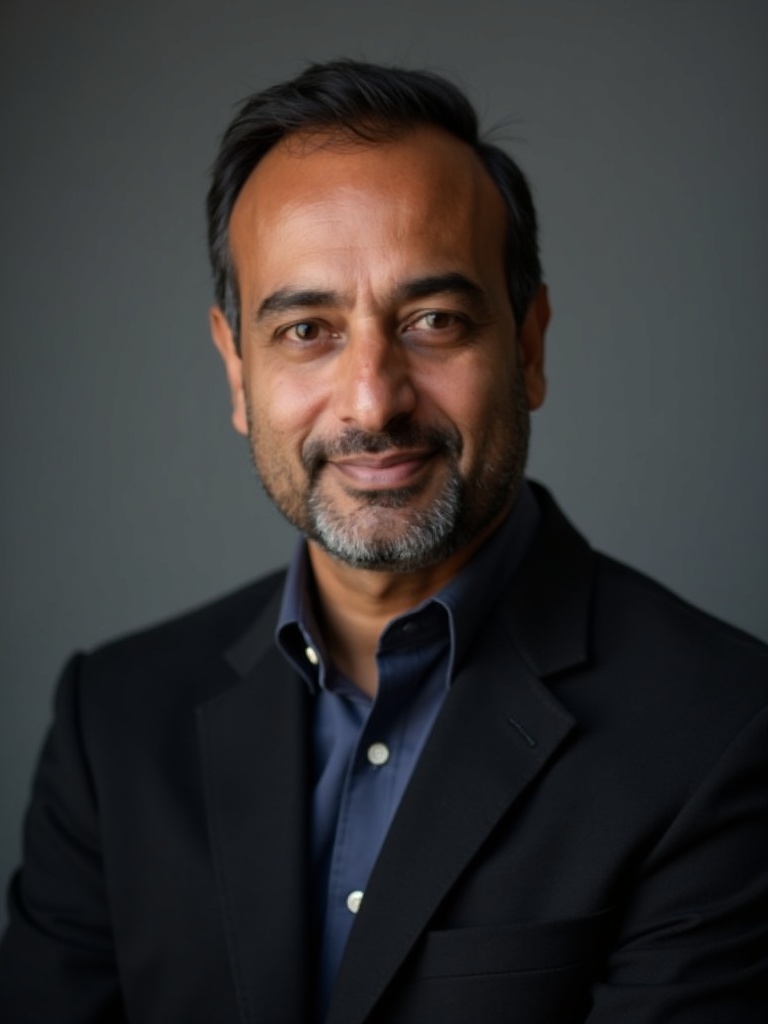
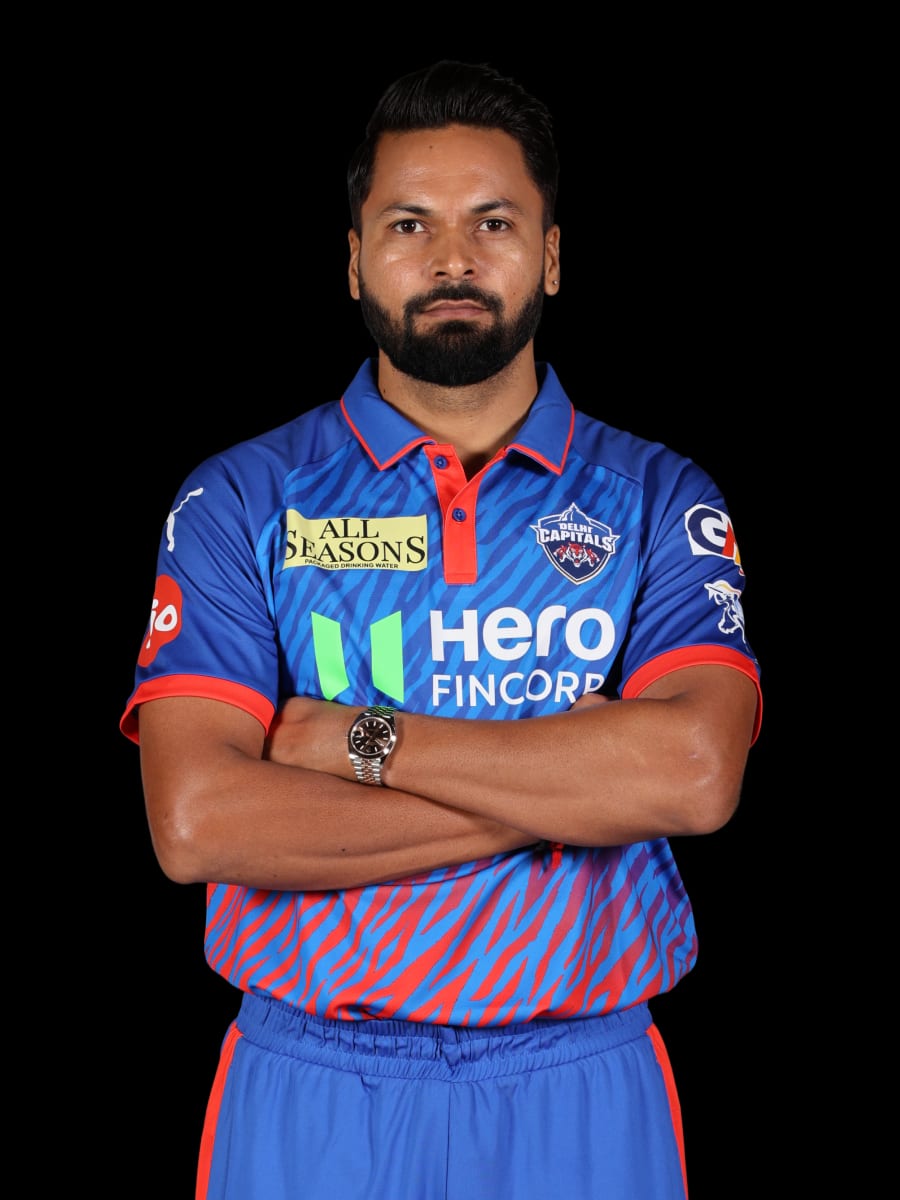
GMR Group has completed its acquisition of Hampshire County Cricket Club, severing Rod Bransgrove's final ties with the county as Kiran Kumar Grandhi assumes the group chair position. The Delhi Capitals co-owners now hold full ownership of one of England's historic county clubs.
Bransgrove's departure closes a chapter at Hampshire. His stewardship modernized the club's infrastructure and competitive profile, but GMR's complete takeover signals a new strategic direction driven by Indian cricket business expertise developed in the IPL ecosystem.
Corporate Cricket Expansion Beyond IPL Boundaries
The acquisition follows Indian cricket enterprises extending their reach beyond domestic boundaries. GMR's experience managing Delhi Capitals provides operational knowledge for county cricket administration. The group understands player development pathways, commercial partnerships, and the balance between tradition and innovation that define successful cricket franchises.
Grandhi's appointment as group chair positions someone with intimate knowledge of cricket economics at Hampshire's helm. His oversight of Delhi Capitals' strategic decisions—from player auctions to youth development programs—offers Hampshire access to methods proven effective in one of cricket's most competitive environments.
The timing coincides with county cricket's ongoing financial pressures. Indian ownership brings capital and networks that extend across cricket's fastest-growing markets. Hampshire now operates within GMR's broader sports portfolio, potentially accessing resources and partnerships that traditional county structures develop less readily.
Pathway Engineering Between Cricket Ecosystems
County cricket serves as a finishing school for players moving between domestic and international levels. Indian ownership creates direct channels for talent exchange that benefit both cricket systems. Young Indian players seeking county experience now have institutional support rather than relying on individual networking.
The arrangement works both ways. English players in Hampshire gain exposure to Indian cricket thinking and potentially access to IPL opportunities through GMR's Delhi Capitals connections. This creates value beyond traditional county contracts and player development programs.
Hampshire's recruitment strategy will likely shift to reflect these possibilities. The county can scout Indian domestic cricket with insider knowledge, identifying players who complement their squad while offering those players structured pathways into English cricket. Such systematic approaches typically yield better outcomes than ad hoc overseas signings.
Strategic Autonomy in Cricket Business
Indian cricket business operates from positions of growing financial strength rather than seeking validation from traditional cricket establishments. GMR's Hampshire acquisition demonstrates this confidence—they are expanding their operational footprint based on strategic calculations.
The model differs from passive investment. GMR brings active management expertise developed through IPL operations, where quick decision-making and performance optimization determine success. County cricket's longer seasons and different competitive rhythms require adaptation, but the fundamental skills transfer effectively.
This ownership structure positions Hampshire to benefit from Indian cricket's commercial innovations while maintaining its identity within English county structures. The balance between preserving tradition and implementing operational improvements will define GMR's early stewardship.
Infrastructure Investment and Development Priorities
County clubs require consistent infrastructure investment to remain competitive. GMR's resources enable Hampshire to consider facility upgrades and technology implementations that individual ownership might struggle to fund. The group's infrastructure development experience spans airports to cricket stadiums, providing relevant project management capabilities.
Player development programs can expand beyond traditional county academy structures. GMR's understanding of what creates IPL-ready players translates into enhanced coaching systems and performance analysis capabilities. These improvements benefit all players in Hampshire's system, not just those with international ambitions.
Commercial opportunities extend to partnership development and revenue diversification. GMR's corporate networks create sponsorship possibilities that typical county operations cannot access. Such revenue streams support competitive squad building and facility maintenance without relying solely on membership fees and match revenues.
Industry Pattern Recognition
Hampshire's transition under full Indian ownership will be studied by other county clubs considering similar arrangements. The success or challenges GMR encounters will influence how English county cricket views Indian investment partnerships going forward.
The precedent matters for Indian cricket business expansion into other traditional markets. Success at Hampshire demonstrates Indian cricket administration capabilities beyond IPL environments, potentially encouraging similar acquisitions or partnerships across global cricket structures.
County cricket's financial sustainability challenges create opportunities for well-capitalized Indian entities with genuine cricket expertise. GMR's model—combining financial resources with operational experience—offers counties more than passive investment while providing Indian cricket business with strategic international presence.
As Grandhi settles into his role as group chair, Hampshire begins operating as both an English county club and an extension of Indian cricket enterprise. The integration of these identities will determine whether this ownership model becomes a template for cricket's increasingly globalized business landscape.