
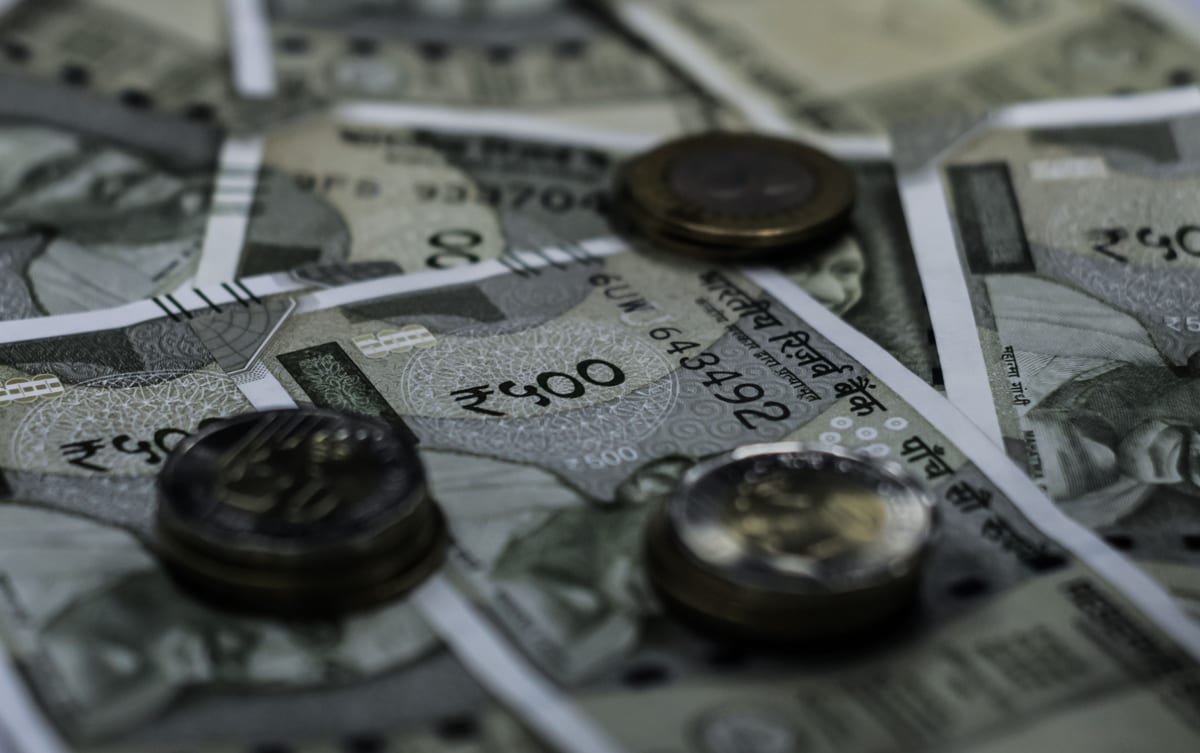
The Modi government's latest ₹29 hike in domestic LPG cylinder prices has pushed cooking gas costs to ₹942 per 14.2 kg cylinder, marking the second increase since West Asian conflicts intensified global energy markets. Behind this rise is a more complex story: the government absorbs over ₹960 per cylinder in subsidies to maintain the world's cheapest LPG rates.
The cumulative ₹89 increase positions India's LPG pricing within a policy framework where international benchmarking justifies domestic adjustments while demonstrating the government's commitment to affordable cooking gas. According to petroleum ministry data, Indian households purchase LPG at rates substantially below regional and global averages.
The Subsidy Burden Mathematics
Behind the ₹942 retail price lies a subsidy mechanism absorbing over ₹960 per cylinder. The petroleum ministry revealed that supply costs have risen above ₹1,600 per cylinder, meaning the government shoulders several hundred rupees in subsidies to maintain consumer affordability. For Pradhan Mantri Ujjwala Yojana beneficiaries, the effective rate drops to ₹642 after direct benefit transfers of ₹300 on the first four annual refills.
This subsidy architecture reflects India's balance between fiscal constraint and political necessity. Energy subsidies consume a significant portion of government expenditure, yet their removal would trigger immediate inflation across a consumption-driven economy where cooking gas directly affects household budgets of over 300 million families.
The international comparison framework deployed by the ministry positions India's rates against regional neighbors and developed economies. Pakistani households pay ₹1,046 per cylinder, while Bangladeshi consumers face approximately ₹1,225. The pricing differential widens against developed markets: Canadian households spend around ₹2,411 per cylinder, and American consumers pay approximately ₹1,755.
Energy Security Through the Subsidy Lens
These comparisons serve a strategic narrative, but they also expose India's fundamental energy vulnerability. The ministry explicitly linked price fluctuations to the West Asian conflict, showing how geopolitical tensions in distant regions directly impact Indian household budgets despite government intervention.
This connection reveals the broader challenge of energy import dependence. Subsidies shield consumers from immediate price shocks but transfer the burden to government finances, creating fiscal pressure that compounds during extended periods of global energy volatility. The current West Asian tensions have already triggered two price adjustments, suggesting sustained pressure on subsidy expenditure as international crude prices remain elevated.
The subsidy model also reflects India's approach to energy transition management. Rather than allowing market forces to drive cooking fuel choices, the government maintains LPG affordability to support rural electrification and reduce biomass dependence. This strategy supports broader development goals but creates long-term fiscal commitments that must be balanced against other infrastructure priorities.
Political Economy of Energy Affordability
The ministry's emphasis on international benchmarking is sophisticated political messaging. By demonstrating that Indian rates remain below Pakistani and Bangladeshi levels, the government addresses potential criticism while reinforcing its pro-poor credentials. The comparison extends beyond South Asia to developed economies, suggesting that even with subsidies, Indian consumers benefit from globally competitive rates.
Yet this messaging also reveals the constraints within which energy policy operates. Direct price increases generate immediate political backlash, making subsidy absorption the preferred mechanism for managing global cost pressures. The government's willingness to absorb over ₹960 per cylinder demonstrates the electoral significance of energy affordability, particularly in rural constituencies where cooking gas accessibility remains a development indicator.
The Ujjwala scheme's integration into this pricing structure exemplifies targeted subsidy design. By providing additional benefits to identified beneficiaries, the government creates differentiated affordability levels while maintaining broad-based support for the subsidy regime. This approach allows for gradual subsidy rationalization without eliminating universal access to affordable cooking gas.
Fiscal Sustainability and Strategic Implications
The widening gap between supply costs and retail prices raises questions about long-term subsidy sustainability. With supply costs exceeding ₹1,600 per cylinder against retail rates of ₹942, the subsidy burden approaches 60% of actual costs. This proportion becomes financially unsustainable if global energy prices remain elevated for extended periods or if crude price volatility increases further.
India's energy subsidy model also influences broader economic planning. High subsidy expenditure limits fiscal space for infrastructure investment, defense modernization, and social sector expansion. The government must balance immediate household relief against long-term developmental priorities, making energy affordability both a political necessity and an economic constraint.
The international pricing comparisons, while politically useful, highlight structural differences in energy policy approaches. Developed economies allow market pricing with targeted welfare transfers, while India maintains universal subsidies with fiscal absorption. Neither model is inherently superior, but India's approach requires sustained government financial capacity to manage global price volatility.
As West Asian conflicts continue affecting global energy markets, India's subsidy mechanism will face sustained pressure. The government's international benchmarking strategy provides political cover for necessary price adjustments, but the fundamental challenge remains: managing energy import dependence while maintaining household affordability in an economy where cooking gas access reflects broader development outcomes. Current pricing suggests that India will continue prioritizing consumer protection over immediate fiscal optimization, absorbing global energy volatility through sustained subsidy expenditure rather than allowing full market price transmission to household budgets.