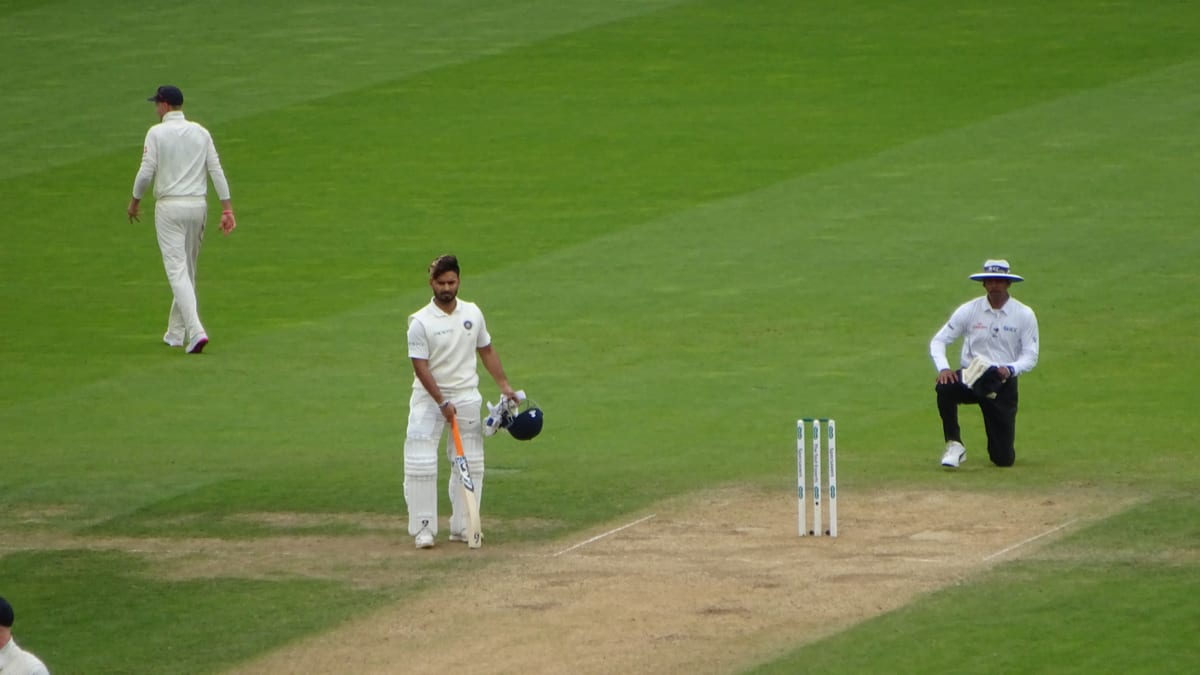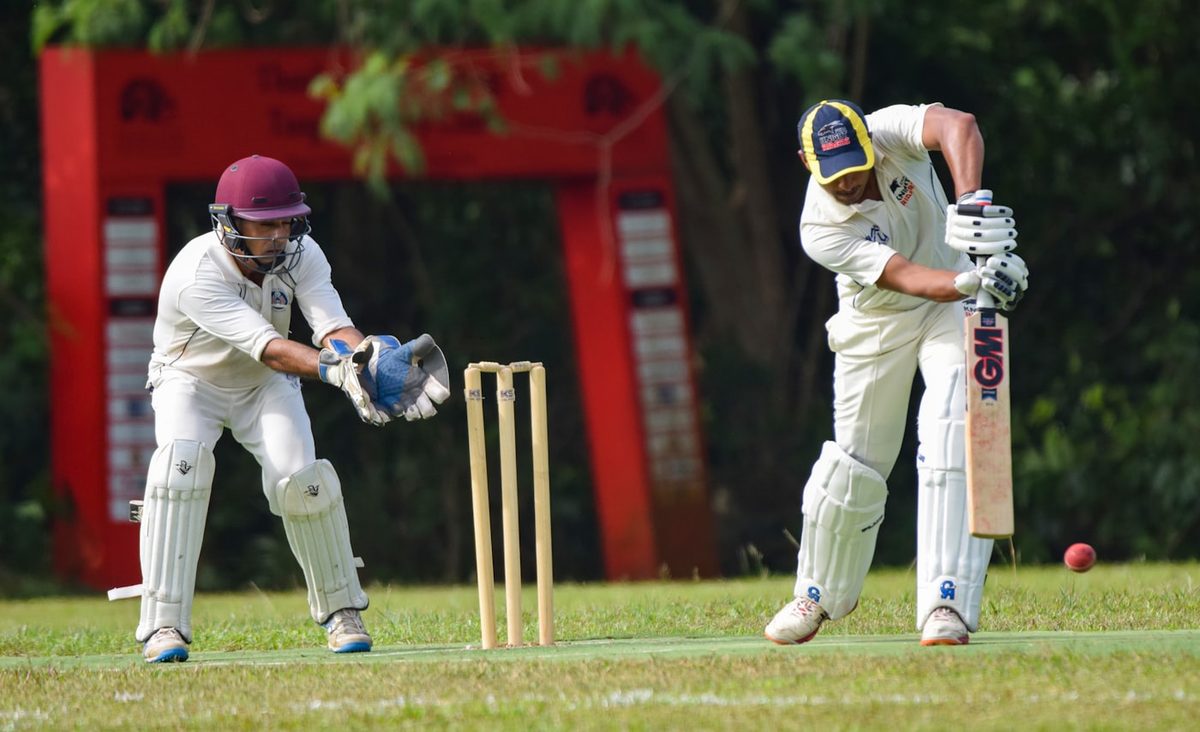
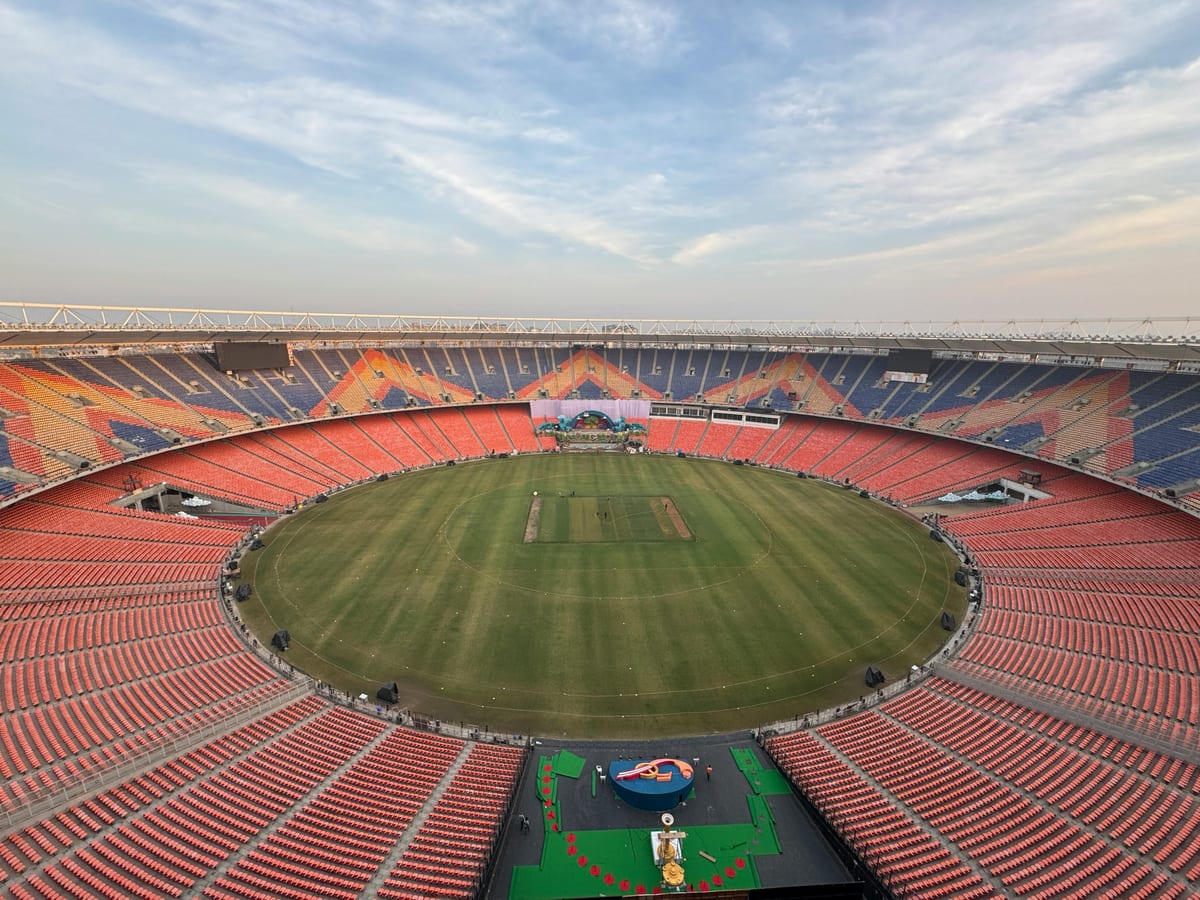
India's domestic cricket architecture is undergoing significant changes. The Board of Control for Cricket in India has set August 23 as the start date for the domestic season, while implementing a strategic format change that moves U-23 tournaments to the T20 format. This restructuring signals a shift in how Indian cricket develops its talent pipeline, moving toward the demands of modern cricket.
The timing carries particular weight. An August start positions domestic cricket to build momentum ahead of the IPL auction cycle, creating a compressed timeline where emerging talents can showcase their abilities when selectors are most attentive. The Ranji Trophy, Vijay Hazare Trophy, and Syed Mushtaq Ali Trophy will unfold with heightened intensity, as players understand they have a narrower window to make their mark before the IPL machinery begins its talent evaluation process.
Format Evolution Reflects Cricket's Commercial Reality
The decision to convert U-23 events to T20 format acknowledges the commercial and strategic reality of contemporary cricket. While traditionalists might mourn the loss of longer formats at the youth level, this change recognises that T20 cricket now drives player valuations, career trajectories, and fan engagement across the sport.
State associations will adapt their development strategies accordingly. Young players will now train specifically for the aggressive shot-making, innovative field placements, and pressure situations that define T20 cricket. T20 success requires tactical sophistication, situational awareness, and mental resilience that transfers to other formats.
The format shift aligns development with cricket's economic incentives. IPL franchises increasingly value players who can impact games quickly, adapt to different roles, and perform under pressure. By exposing youth players to T20 cricket at the domestic level, the BCCI ensures that emerging talents develop skills directly relevant to professional cricket's highest-paying opportunities.
Compressed Timeline Intensifies Competition
The August start date creates a distinct dynamic. Domestic cricket will now unfold during a period when IPL franchises are actively scouting and planning their auction strategies. Players performing in September and October will be fresh in selectors' minds when retention and auction discussions begin.
This compressed timeline may accelerate player development cycles. Young cricketers will face immediate pressure to perform, knowing that standout performances could translate rapidly into IPL contracts or national team consideration. The psychological intensity of playing with such immediate stakes may produce more match-ready players who handle pressure situations.
State teams will likely adjust their selection policies to emphasise players who can make immediate impact rather than those requiring long development periods. This shift toward results-oriented selection could create more competitive domestic cricket, as teams prioritise winning over gradual player development.
Strategic Implications for Indian Cricket's Depth
The T20 format adoption for U-23 cricket addresses a specific challenge in Indian cricket development. While the country produces exceptional technical players through its traditional development system, the modern game increasingly rewards aggressive, boundary-hitting capabilities and tactical flexibility. This format change should produce players better equipped for international T20 cricket and IPL success.
India's bench strength in white-ball formats could benefit significantly. The current national team relies heavily on a core group of established players, with limited depth in certain positions. A domestic system that consistently produces T20-ready players would provide more options for rotation, rest management, and tactical flexibility.
The timing also aligns with India's international calendar. Players emerging from the domestic season will be match-ready for selection in limited-overs series, having played high-intensity cricket recently rather than entering national team consideration after months without competitive cricket.
Commercial and Development Synergies
This restructuring creates productive synergies between commercial interests and player development. IPL franchises benefit from a talent pool specifically prepared for T20 cricket, while young players gain development opportunities aligned with professional cricket's most lucrative format.
The August start also maximises visibility for domestic cricket. With minimal international cricket scheduled during this period, domestic tournaments can capture greater media attention and fan engagement. State associations may find increased sponsorship opportunities as domestic cricket gains prominence in a less cluttered calendar.
For emerging players, this visibility matters enormously. Career-defining performances in domestic cricket now occur when cricket fans and media are paying attention, rather than being buried during busy international cricket periods.
Challenges and Adaptations
The format change will require significant adaptations from coaching staff and development programmes across Indian cricket. Coaches must balance T20-specific skills development with broader cricket education, ensuring that players don't become one-dimensional despite specialising in the shortest format.
State associations face interesting strategic choices. Teams that successfully adapt to T20-focused development may gain competitive advantages in domestic tournaments while producing more IPL-ready players. However, this adaptation requires investment in coaching expertise, training facilities, and tactical sophistication.
The compressed calendar also intensifies pressure on player fitness and squad management. With less time between tournaments, state teams must develop deeper squads and more sophisticated rotation policies to maintain performance levels across competitions.
India's domestic cricket transformation reflects a sport adapting to commercial realities while maintaining its talent development responsibilities. The August 23 start date and T20 format shift for youth cricket create a more dynamic, commercially aligned system that should strengthen India's cricket pipeline. This evolution prioritises immediate impact and professional readiness over traditional development timelines. The success of this restructuring will be measured in the calibre of players it delivers to Indian cricket's highest levels.