The Delhi Police investigation into illegal IPL ticket sales has placed the Delhi and District Cricket Association under scrutiny, with officials summoned to join a probe into allegations that DDCA officials were involved with a gang selling IPL passes illegally at the Arun Jaitley Stadium.
Police sources indicate the probe has expanded beyond ticket touting to examine possible connections to betting syndicates, raising concerns about match-fixing that have previously affected Indian cricket. The investigation centers on how organized elements may have infiltrated official channels, potentially compromising both revenue and security protocols governing IPL operations.
Venue Security Under Question
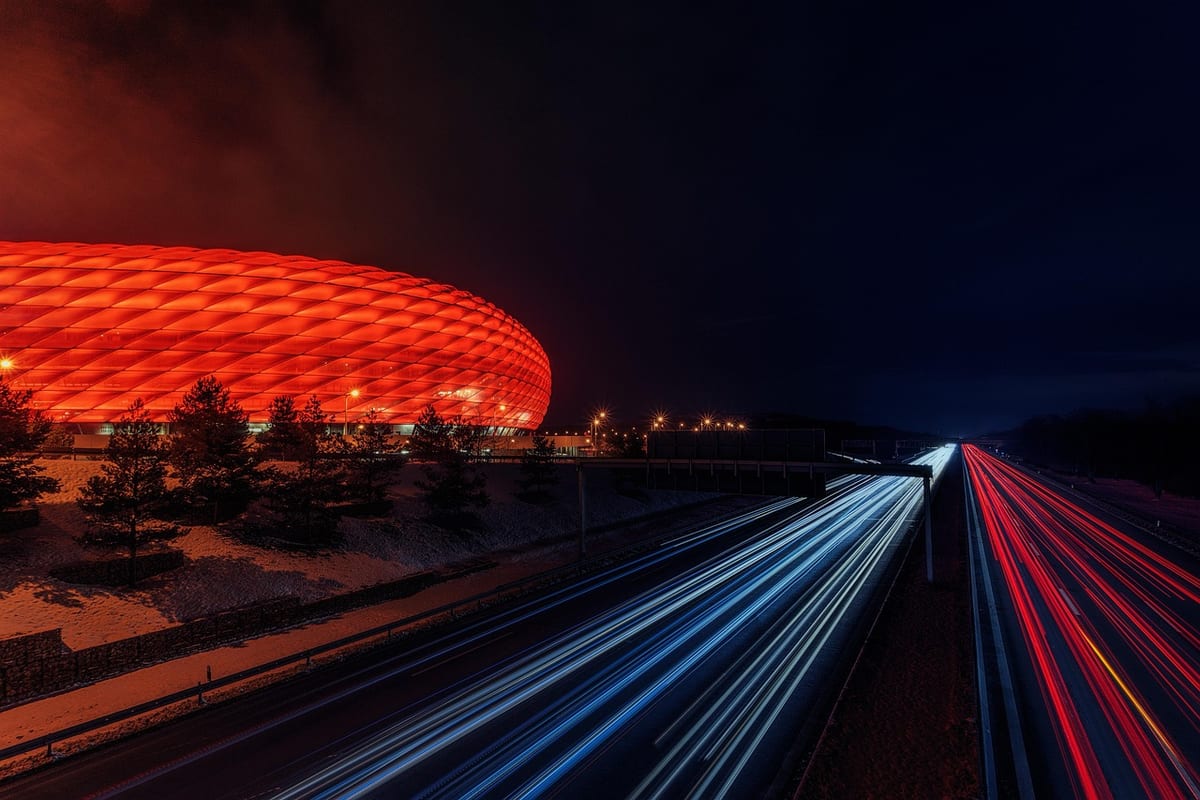
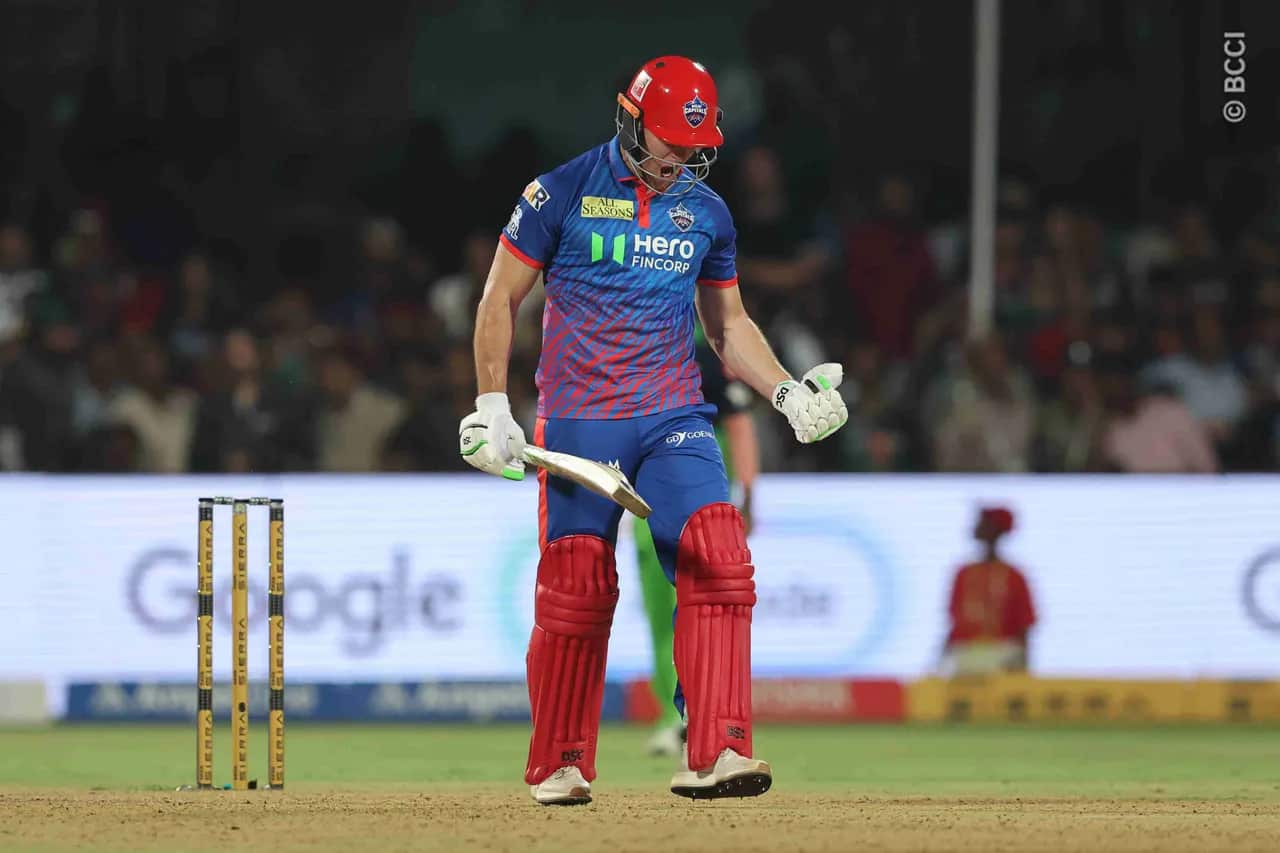
The Arun Jaitley Stadium is the home ground for the Delhi Capitals and one of the IPL's most commercially significant facilities. The stadium's 41,000 capacity makes it a critical revenue generator, with premium tickets commanding thousands of rupees during high-profile matches.
For the DDCA, an organization that has weathered multiple governance controversies, this investigation arrives at a vulnerable moment. The association's credibility in managing one of India's flagship sporting venues now faces fresh examination. The police probe suggests organized elements had infiltrated official channels, potentially compromising not just revenue but the fundamental security protocols that govern IPL operations.
The timing is especially damaging given the IPL's position as the world's most valuable cricket league, generating revenues exceeding billions of dollars annually. Any systematic breakdown in venue management at a key facility like Delhi's stadium could trigger broader questions about oversight mechanisms across all IPL venues.
Commercial Stakes and Tournament Credibility
The IPL functions as India's premier sports entertainment property, attracting global investment and serving as a showcase for the country's organizational capabilities. Corporate sponsors, broadcasting partners, and franchise owners have invested heavily based on assumptions about the league's integrity and professional management.
This investigation strikes directly at those commercial foundations. If DDCA officials were facilitating illegal ticket sales, it suggests gaps in the governance structures that underpin the IPL's commercial success. The potential betting connections raise serious concerns, given cricket's historical struggles with corruption.
The financial implications extend beyond immediate ticket revenues. Premium hospitality packages, corporate bookings, and season ticket holders depend on confidence in legitimate distribution channels. Any erosion of that confidence could impact future sales and potentially influence the BCCI's decisions about venue allocations for subsequent IPL seasons.
Institutional Response and Broader Implications
The BCCI's response to this investigation will prove crucial in determining whether the scandal remains isolated to the DDCA or triggers systematic reforms across IPL operations. The board has invested considerable effort in recent years to enhance the tournament's integrity protocols, including extensive anti-corruption measures and player education programs.
This scandal tests those institutional safeguards in a different arena—venue management and ticket distribution rather than on-field corruption. The investigation could accelerate moves toward more centralized ticketing systems, reducing reliance on individual state associations and their potentially variable governance standards.
The precedent set by the BCCI's handling of this case will resonate across all IPL venues. State cricket associations managing other stadiums will scrutinize the response carefully, understanding that their own operational practices may face similar examination if systematic irregularities emerge elsewhere.
Lessons from Cricket's Integrity Battles
Indian cricket's journey toward institutional credibility has required confronting multiple corruption scandals over the past two decades. The 2013 IPL spot-fixing revelations led to significant reforms, including the establishment of the Anti-Corruption Unit and enhanced monitoring of player interactions with external parties.
This DDCA investigation represents administrative corruption rather than competitive corruption. Yet the integrity principles remain identical. Cricket's commercial success depends on fan confidence in fair and transparent operations, whether on the field or in the stands.
The investigation highlights the complex ecosystem surrounding the IPL, where massive commercial interests intersect with traditional cricket administration structures. The DDCA, like many state associations, operates with governance systems developed for amateur cricket administration but now managing commercial enterprises worth hundreds of crores.
Strategic Implications for IPL Governance
The most significant outcome of this investigation may be its impact on the IPL's governance evolution. The tournament has navigated challenges ranging from team ownership controversies to player conduct issues, typically emerging stronger through enhanced institutional frameworks.
If systematic irregularities in ticket distribution are confirmed, the BCCI may accelerate plans for more direct control over venue operations during IPL matches. This could include centralized ticketing platforms, enhanced security protocols, and potentially reduced autonomy for host associations during tournament periods.
Such changes would reflect a natural maturation of the IPL's institutional structure, moving from a federation model dependent on state associations toward more direct BCCI control over key operational elements. The investigation provides both the rationale and the urgency for such reforms.
The Delhi Police probe tests whether India's cricket establishment can maintain the institutional integrity that underpins the IPL's commercial success. For a tournament that has become synonymous with Indian cricket's global ambitions, the stakes extend far beyond ticket sales to the credibility of the entire enterprise.