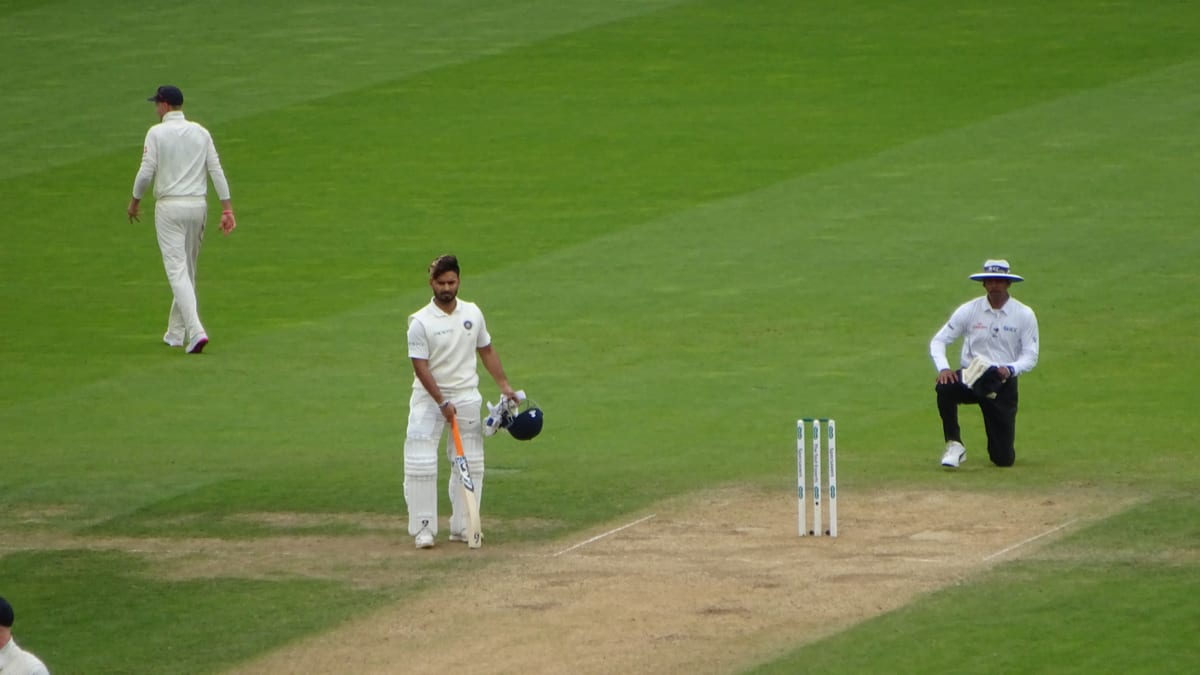

The scoreboard tells a brutal story: Kolkata Knight Riders 192/4, Royal Challengers Bengaluru 81/1. With 112 runs needed from RCB's remaining nine wickets, this match has become exactly the kind of high-pressure chase that defines IPL playoff races.
KKR's total of 192/4 reflects calculated aggression. The Knights reached nearly ten runs per over while losing only four wickets. This was controlled destruction of bowling plans, not reckless hitting.
The Mathematics of Pressure
At 81/1, RCB face a required rate approaching eleven runs per over. The opening partnership has provided foundation, but every delivery now carries weight. Lose two quick wickets, and the target becomes mountainous. Maintain partnerships, and the chase remains alive.
This environment reveals why IPL has become India's most sophisticated sporting competition. The stakes surrounding Virat Kohli's recent form illustrate how individual performances ripple through team dynamics and fan psychology.
KKR's total suggests they identified optimal scoring phases—perhaps capitalising on specific overs where RCB's bowling plans became predictable. Championship teams recognise these moments; struggling teams let them pass.
Playoff Implications Reshape Strategy
Both franchises know that net run rate calculations matter. KKR's commanding position strengthens their playoff prospects while potentially devastating RCB's chances. The tournament structure creates these winner-takes-all scenarios where tactical decisions carry consequences far beyond individual matches.
Captains must balance aggressive intent with risk management, knowing that a spectacular failure might eliminate playoff hopes entirely. Cricket at this level becomes a contest where every boundary attempt and bowling change affects tournament outcomes.
RCB's chase reflects modern cricket's reliance on data-driven decisions. Teams analyse optimal scoring rates, identify bowling weaknesses through statistical modelling, and construct batting lineups based on mathematical projections. Yet when pressure mounts, cricket still reduces to individual skill under extreme stress.
The Tournament Structure
This match demonstrates how IPL has matured into India's premier sporting property. The franchise model creates sustained emotional investment that transcends individual seasons and builds long-term brand loyalty.
The tournament rewards consistency over isolated brilliance. Teams like KKR succeed by building systems that perform under pressure. Teams like RCB struggle when individual talent cannot compensate for tactical gaps.
RCB possess the batting firepower to chase any total, but require near-perfect execution. KKR need disciplined bowling to close out victory. The margin for error has evaporated.
The Cultural Dimension
This encounter represents cricket's role in India's cultural fabric. RCB's passionate fanbase transforms every match into appointment television, while KKR's tactical approach appeals to cricket analysts who value strategic depth.
The match unfolds in real-time conditions where theoretical strategies meet practical execution. Every tactical adjustment gets tested immediately; every strategic gamble produces measurable results.
Modern cricket demands adaptability. Teams that succeed adjust tactics mid-match based on changing conditions, opposition responses, and mathematical requirements. The static approach fails; dynamic thinking produces championships.
The Broader Tournament Context
This RCB-KKR encounter illustrates how IPL operates on multiple levels. Player performances influence international selection discussions. Tactical innovations spread across cricket globally. Business metrics drive franchise valuations that reshape sports economics.
Young players earn life-changing contracts based on exceptional performances. Established stars face constant scrutiny as form fluctuates. Coaches implement strategies dissected across social media and traditional analysis.
Cricket's fundamental appeal remains unchanged: skilled athletes performing under extreme pressure, where individual brilliance can overcome tactical disadvantages and strategic planning can neutralise superior talent. RCB's chase demands exceptional individual performances supported by smart tactical decisions. Success requires technical excellence, mental strength, and tactical awareness operating simultaneously under intense scrutiny.